IRAs are a great way to invest for your retirement years. But if you want to invest in assets like precious metals, real estate and crypto, certain assets are off-limits. That’s where opening a self-directed IRA comes into play. 

If you’re approaching retirement, you’re likely exploring avenues to fine-tune your financial strategy. One option worth considering is the Self-Directed Individual Retirement Account (SDIRA). While traditional IRAs and 401(k)s certainly have their benefits, SDIRAs present distinct advantages for retirees with substantial wealth.

In this blog post, we will delve into the world of SDIRAs, examining their benefits, potential drawbacks, and whether they align with your needs in retirement. Here’s what you need to know.

What is a Self-Directed IRA?

A Self-Directed Individual Retirement Account (SDIRA) is a retirement savings account that gives you greater control over your investments than traditional IRAs. The main difference between an SDIRA and other IRAs is the types of investments allowed. Regular IRAs limit you to common investments like stocks, bonds, CDs, and mutual funds.

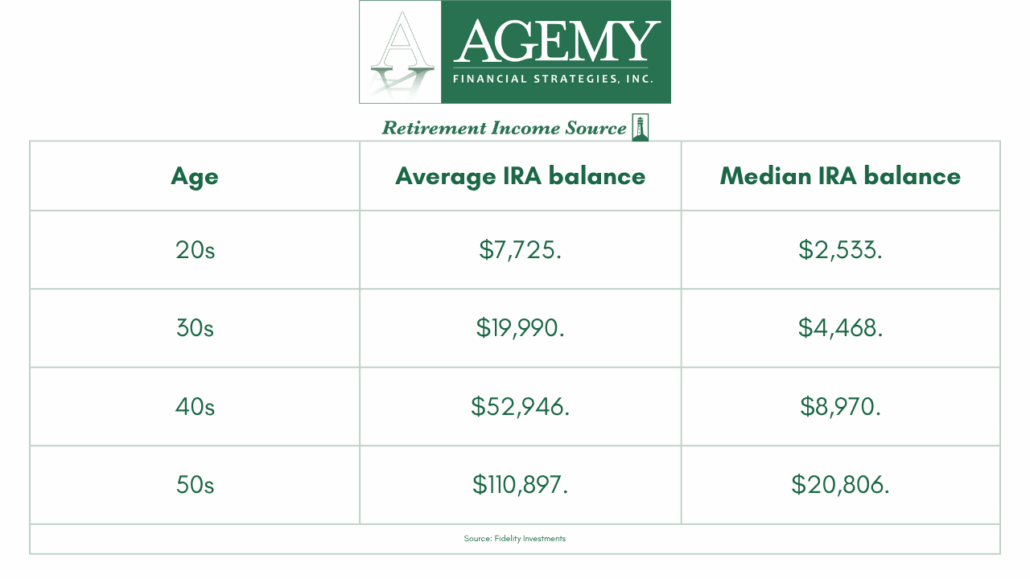
As of 2023, there has been an 11.1% uptick in the number of Americans choosing to open IRA accounts. This surge is reflected in the table below, which shows a total of 13.1 million IRA accounts currently active.
Fiduciary advisor near me

However, SDIRAs open the door to a wider range of assets. With an SDIRA, you can invest in precious metals, commodities, private placements, real estate, and other unique options. This means that managing an SDIRA requires more effort and careful research from the account owner.

Understanding Taxes, Withdrawals and Contributions

Contributions to a self-directed IRA are limited to yearly amounts. In 2023, this amount is $6,500 for individuals under 50, and if you’re over 50, you can add an extra $1,000 as a catch-up contribution.

When you decide to start taking money out, you’ll have to pay regular income taxes unless you’re 59½ or older. If you withdraw any funds before hitting this age, there’s a 10% penalty, and you’ll still owe income tax on what you take out.

Once you reach 73, the IRS says you must begin withdrawing money. The amount you need to withdraw depends on your account balance and life expectancy, following their minimum requirements.

Benefits of Self-Directed IRAs for High Net Worth Retirees

It is common for most high-net-worth retirees to invest a notable portion of their wealth in traditional avenues. Self-Directed IRAs (SDIRAs) present a valuable opportunity to grow your investment portfolio. Here’s a look at some of the benefits SDIRAs can offer:

  • Diversification Opportunity: SDIRAs allow high-net-worth retirees to diversify their investment portfolios beyond traditional stocks and bonds, reducing overall risk exposure.
  • Tax Advantages: Contributions to a traditional SDIRA are usually tax-deductible, and investments grow tax-deferred until retirement withdrawals, benefiting high-net-worth individuals in higher tax brackets.
  • Personalized Investment Options: SDIRAs empower investors to make decisions based on their expertise and preferences, potentially leading to higher returns.

Now that we know about the benefits let’s look at some drawbacks.

Potential Drawbacks of Self-Directed IRAs

Managing SDIRAs can be more intricate than traditional retirement accounts, requiring a deeper understanding of investment options and compliance with IRS regulations. While SDIRAs offer many advantages, it’s important to be aware of their potential drawbacks:

  • Complexity: Managing a self-directed retirement account can be more complex than a traditional IRA. You must adhere to IRS rules and regulations, and certain investments may require additional paperwork and compliance measures.
  • Risk: With greater investment control comes greater responsibility. High net-worth retirees must carefully research and select investments, which can be riskier if not done wisely.
  • Fees: SDIRAs may have higher administrative fees than traditional IRAs, given the need for additional services like custodians or facilitators for certain asset types.

Working with a financial advisor can help you understand the advantages and drawbacks of SDIRAs. They can assist you in making informed decisions about your retirement savings strategy.

Is a Self-Directed IRA Right for You?

Determining whether a Self-Directed Individual Retirement Account (SDIRA) is the right choice for you involves considering various crucial factors. Firstly, your level of investment experience plays a pivotal role; if you possess knowledge in alternative investments like real estate or private equity, an SDIRA may align well with your expertise and interests.

Secondly, assessing your risk tolerance is vital, as self-directed investments carry potential risks that require careful management and due diligence. Lastly, consulting with a financial advisor to understand the tax implications of incorporating an SDIRA into your financial strategy is essential. They can help you learn about the potential tax benefits and associated consequences.

Working With a Financial Advisor

Navigating the complexities of retirement planning, especially with Self-Directed IRAs, can be challenging. Working with an experienced financial advisor becomes crucial to help you navigate this financial realm.

A financial advisor can help you review your investments while accounting for risk management tactics to help ensure they remain in sync with your financial situation. At Agemy Financial Strategies, our team of financial advisors is here to walk you through the process of achieving renewable wealth so that your money can work hard for you and you can reap the benefits of a comfortable retirement. Here are just some of the many ways we can help our clients:

By regularly reviewing and adjusting your plan, you can make informed decisions to help maximize your retirement savings and help ensure financial security for you and your loved ones.

Last Thoughts

Self-Directed IRAs offer a unique way to plan for retirement, especially for those nearing retirement. However, they require careful thought and more active management of your investments.

To see if an SDIRA fits your retirement goals and financial situation, it’s crucial to talk to a financial advisor. Making the right choice can set you up for a successful retirement that helps your finances for years to come.

Start your journey to financial success by scheduling your complimentary strategy session today.

Do you REALLY need Real Estate in your investment portfolio? If you do, what percentage of your portfolio should it cover? Let’s find out. 

Navigating investments at any stage in life can be complex, but the stakes become even higher as retirement approaches. During retirement, the main goal is to minimize risk, generate income, and protect your assets from inflation. So, is real estate a good option for retirement?

The answer is not a one-size-fits-all solution. It depends on various factors unique to your situation. In this blog, we will explore real estate investments for retirees and how you can make informed decisions that align with your goals and needs. Here’s what you should know.

What are Real Estate Investments? 

While many people own the home they live in, generally, that’s not considered a real estate investment. Adding real estate to your portfolio can add diversity and growth to your portfolio without adding significant risk (though, like with all investments, risk is always a factor to consider).

Real estate investments are either active or passive. Active ones, like house flipping or managing rentals, demand your time, effort, and often more money. They can earn more but come with higher risks. Passive ones, like investing in REITs or real estate funds, don’t need you to manage properties and are less hands-on with a smaller initial investment.

The Benefits of Real Estate Investments

Real estate has been a popular form of investment for decades. Whether buying, owning, or managing real estate properties, you can generate income, capital appreciation, or both. Unlike other investment options, real estate often provides a steady and predictable cash flow, making it an attractive choice for individuals searching for a stable income stream.

Even though mortgage rates nationwide have recently become more affordable, as of January 2023, home prices in the United States dropped for the seventh consecutive month. As a result, sellers are finding themselves in a situation where they are more willing to accommodate their buyers’ requests, which can lead to some excellent deals for buyers.

Looking back at historical trends, real estate has consistently demonstrated an inclination to increase in value over time. Although short-term fluctuations may occur, well-located properties tend to see their worth rise over the years, giving investors the opportunity for significant capital gains when they eventually decide to sell.

In addition to these benefits, real estate investments offer valuable tax advantages. These tax benefits can substantially reduce your overall tax liability, further enhancing the financial attractiveness of real estate investments. Now that we have explored the benefits of direct real estate investments, let’s dive into Real Estate Investment Trusts (REITs).

To sum up, the reasons why so many investors choose Real Estate in their portfolio include:

  • Steady cash flow. When you invest in places like homes or certain real estate groups, you get a regular paycheck from tenants.
  • Mixing it up. If you already have money in things like stocks or bonds, adding real estate is like adding a different flavor to your money mix. It doesn’t move in the same way as the others.
  • Tax perks. If you own a rental place, there are some cool tax benefits. For instance, the value drop of the house over time can reduce your tax bill. Some can even use losses from their property to lower their regular taxes.
  • It’s real and useful. Unlike some investments that are just numbers on a screen, real estate is a real thing. Even if its price goes down, someone can still live in it and pay rent.

Consider Real Estate Investment Trusts (REITs) for Your Portfolio

Real estate investment trusts (REITs) offer a unique way for investors to join forces and invest in properties collectively. Think of it as a mutual fund, but it focuses on real estate instead of stocks.

For seasoned investors, REITs can be a valuable addition to their portfolio. However, if you’re starting your investment journey, it’s prudent to concentrate on wealth accumulation before diving into REITs. While dependable REITs are in the market, others rely heavily on debt to acquire properties, elevating the investment risk.

Before venturing into REITs, it’s essential to consult with an investment professional, like a Fiduciary Advisor. They can help you evaluate potential risks and ascertain whether REITs align with your financial objectives and overall investment strategy.

Understanding Risks in Real Estate

While real estate investments offer numerous advantages, they have their fair share of risks and challenges. Here are some key considerations:

  • Market Volatility: The real estate market can be quite unpredictable, with property values susceptible to fluctuations influenced by economic conditions, interest rate changes, and other external factors.
  • Property Vulnerability: Properties can be vulnerable to various threats, including damage or devaluation caused by natural disasters or environmental factors. This risk becomes more pronounced as extreme weather patterns become increasingly common.
  • Financial Hurdles: Real estate investments often require a substantial amount of capital. Investors may encounter difficulties when seeking financing or to manage the debt associated with their investments.
  • Ongoing Management: Successful real estate investments demand ongoing management and maintenance. Investors might encounter challenges finding reliable tenants, efficiently overseeing their properties, and addressing unforeseen expenses.

By understanding these potential risks and preparing accordingly, investors can make more informed decisions and develop strategies to mitigate these challenges, ultimately optimizing the benefits of their real estate investments.

Real Estate in Connecticut

Connecticut boasts a unique blend of natural beauty, a rich history, and a proximity to major cities like New York City and Boston. These factors contribute to a real estate market that has proven to be a stable and potentially lucrative investment opportunity.

Here are some reasons why investing in Connecticut real estate during retirement makes sense:

  • Property Appreciation: Over the years, Connecticut has witnessed steady property appreciation. The number of listings increased by 116.1% in April 2023. From 1,759 in December 2022. This means that the value of your real estate investment is likely to increase over time, providing a source of potential capital appreciation.
  • Stable Rental Market: Connecticut has a strong rental market, making it an ideal place to invest in income-producing properties. Rental income can be a reliable source of passive income in retirement.
  • Diverse Investment Options: Connecticut offers a range of real estate investment opportunities, from residential properties to commercial real estate and vacation rentals. This diversity allows you to tailor your investments to your financial goals and risk tolerance.
  • Tax Benefits: Connecticut offers various tax incentives and deductions for real estate investors, making it more appealing for retirees looking to minimize their tax burden.

Real Estate in Colorado

With our sister office located in Denver, Colorado, we have the inside knowledge and advice if you are considering adding Colorado Real Estate into your portfolio.

  • Scenic Diversity: Colorado’s real estate market offers a stunning array of landscapes, from the bustling cityscapes of Denver to the serene beauty of the Rocky Mountains. Buyers can choose from urban, suburban, or rural settings, catering to various lifestyle preferences.
  • Strong Appreciation: Colorado has experienced consistent real estate appreciation over the years, making it an appealing option for investment. In April 2023, the median sale price dropped by 5.2% compared to the previous year, and there was a 26.6% decrease in the number of homes sold. However, there is a silver lining as new buyers enter the market, thanks to more stable mortgage rates, which currently stand at 6.79%.
  • Tax Benefits: Colorado offers property tax deductions for homeowners, helping to reduce the annual tax burden on real estate for seniors 65 or older who have lived in their homes for at least ten consecutive years. This exemption allows eligible seniors to exempt 50% of the first $200,000 of their property’s value from taxation.
  • Agricultural Land Deductions: If you are a landowner with agricultural property, you could be eligible for agricultural land deductions. These deductions could help reduce property tax assessments for qualifying agricultural properties. The deductions amount to 20% of the resulting lease payments, with a cap of up to $25,000 per year, and can be claimed for a maximum of three years.

The Role of a Fiduciary Advisor

Investing in real estate during retirement can pose complexities, especially for those managing significant portfolios. If you’re seeking a Connecticut-based or Colorado-based Fiduciary Advisor with extensive experience in real estate investments, Agemy Financial Strategies is here to help.

Fiduciary Advisors are legally obligated to prioritize your best interests, delivering impartial advice and recommendations aligned with your financial goals. Our seasoned professionals can help you identify opportunities and make well-informed decisions tailored to your unique needs and objectives.

Our advisors are adept at seamlessly integrating your real estate investments into your comprehensive retirement portfolio, helping to ensure it remains balanced and diversified. To explore our full service offerings, see here.

Final Thoughts

Investors should stay informed about changes in the real estate market and be prepared to adjust their investment strategy accordingly. Partnering with a Fiduciary advisor can help you mitigate risks and take advantage of upcoming opportunities. At Agemy Financial Strategies, you can rest assured knowing you are working with professionals who have your best interests at heart. Our Fiduciaries are here to help you make informed decisions and enjoy a financially secure retirement.

Ready to see if real estate investments are right for you? If you’re ready to start the conversation, contact us today to schedule your complimentary consultation.


Disclaimer: This content is for educational purposes only and should not be considered financial or investment advice. Please consult with the fiduciary advisors at Agemy Financial Strategies before making any investment decisions.

If you’re approaching retirement, you might be familiar with Required Minimum Distributions (RMDs). However, the rules surrounding RMDs are changing, and without proper planning, you could risk IRS-enforced collections. Here’s what you need to know. 

The SECURE 2.0 Act of 2022, enacted Dec. 29, includes almost 100 new retirement plan provisions, many of which aren’t effective yet. But some big changes involving required minimum distributions and related penalty relief are already in effect

Before we delve into the 3-year statute of limitations, let’s briefly recap what RMDs are and why they matter.

What are RMDs?

required minimum distribution (RMD) is the amount of money that must be withdrawn from employer-sponsored retirement plans by owners and qualified retirement plan participants of retirement age.

In 2023, the age at which you must begin taking RMDs changed to 73 years. Account holders must, therefore, start withdrawing from a retirement account by April 1, following the year they reach age 73. The exact age may vary depending on your retirement plan and when you were born.

The IRS uses a specific formula to calculate your RMD, considering your account balance and factors related to life expectancy. In 2023, the RMD table is based on the IRS’s widely-used Uniform Lifetime Table. It’s worth noting that the IRS has additional tables for account holders and beneficiaries whose spouses are considerably younger.

SECURE 2.0 Shakes Things Up for RMDs

The Securing a Strong Retirement Act of 2022, known as SECURE 2.0 Act, made some changes to the rules about when and how people need to take out money from their retirement plans to avoid being hit with extra taxes.

These changes were designed to make things easier for retirees by giving them more time to file, removing certain requirements, and lowering penalties if they make a mistake. Some of these updates are already in place, and others will start in the coming years, with the last ones kicking in by 2033. The main changes to RMDs include:

1. Changes to the Participant’s RMD Age (Effective in 2023)

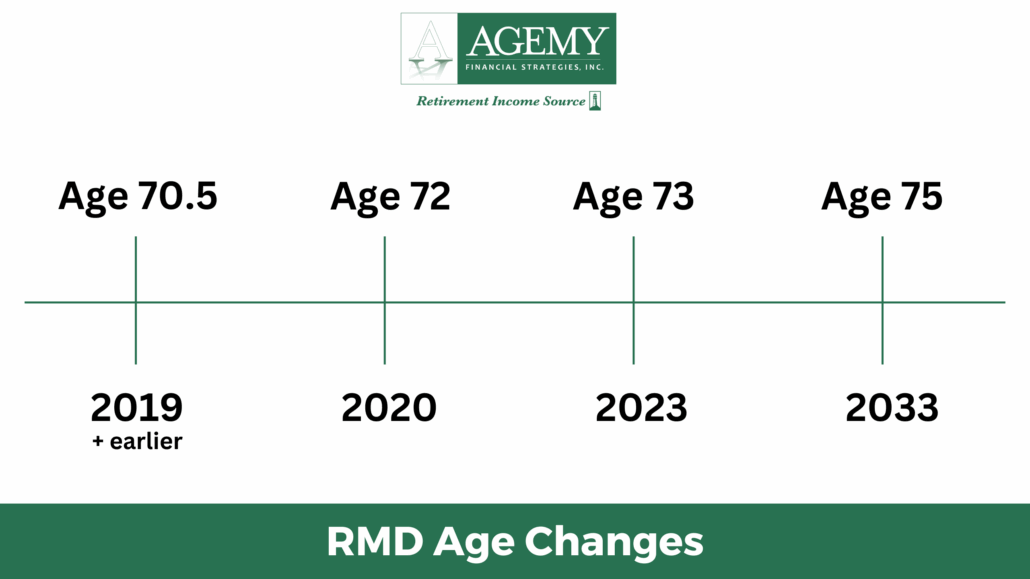
Under the SECURE Act of 2019, the RMD age for a terminated participant increased from 70½ to 72 effective in 2020. SECURE 2.0 again changes the RMD age to 73 in 2023, and ultimately to age 75. The chart below highlights the changes to the RMD age at relevant points in time.

Required Minimum Distributions (RMDs)

2. No RMDs Required from Roth Accounts (Effective in 2024)

For 2024 and later years, RMDs are no longer required from designated Roth accounts. You must still take RMDs from designated Roth accounts for 2023, including those with a required beginning date of April 1, 2024. You can withdraw more than the minimum required amount.

3. Removing RMD Barriers to Life Annuities

The rules for Required Minimum Distributions are designed to prevent individuals from deferring taxes for too long, and one way they achieve this is by limiting annuity contracts from providing small initial payments that grow excessively over time. However, in practice, these rules can sometimes restrict even minor increases in benefits. But now, Congress is working to make annuity contracts in defined contribution plans more appealing.

Section 201 of the Act allows commercial annuities purchased under 401(k) and other defined contribution plans, as well as IRAs, to offer the following:

  1. Increases in payments of up to 5% per year.
  2. The option to receive certain lump sums that replace future distribution payments.
  3. The ability to accelerate up to 12 months’ worth of payments.
  4. Reasonable dividend payments.
  5. Death benefits that are equal to the cost of the annuity, reduced by previous payments.

4. Reduction in Excise Tax for RMD Errors

Despite regularly appearing on the list of priorities for tax-exempt and government entities’ compliance, it’s not unusual for people to make mistakes when it comes to Required Minimum Distributions (RMDs).

Up to now, one of the largest penalties in the Tax Code was the 50% penalty for not taking an RMD. It was based on the RMD amount that should have been taken but wasn’t.

SECURE 2.0 lowers this penalty to 25%, and then to 10% if the missed RMD is timely made up.

What is the Statue of Limitations?

The statute of limitations is the time limit for the IRS to file charges or collect back taxes. In general, a statute of limitations is a law (statute) that limits how far back you can go when assessing a penalty, charging someone with a crime, or taking other actions. There are different statutes of limitations for different types of tax issues.

RMDs and the 3-Year Statute of Limitations

There is now a three-year statute of limitations associated with the failure to take a required minimum distribution (RMD) from a retirement account. Overlooked when the SECURE Act 2.0 was enacted was Section 313 of the Act, which added a 3-year statute of limitation for the failure to take an RMD. If an RMD is missed, the 25% penalty is only applicable for the next three years. So what happens after those three years have passed?

The statutes of limitations not only limits the IRS in assessing additional tax on returns filed, but it also limits the amount of time you have to claim a refund or credit due. If the three-year deadline for filing has passed, the IRS, by law, cannot issue your refund.

IRS Form 5329 is a tax form used for reporting retirement plan penalties and requesting a waiver of the RMD penalty. As mentioned above, in the past, not filling out this form for penalty relief meant that the three-year statute of limitations wouldn’t start, resulting in a hefty 50% excise tax. However, thanks to the SECURE 2.0 Act, this tax has been reduced to 25%, and it could drop to 10% if you take action to withdraw the missed RMD within two years.

To solve this problem, the SECURE 2.0 Act introduced a statute of limitations tied to when individual files their federal income tax return, Form 1040. If no federal income tax return is required, the statute period begins on what would have been the tax filing deadline. This new statute of limitations covers missed RMDs for three years and excess IRA contributions for six years but doesn’t apply to early distributions.

Form 5329 left the statute of limitations open indefinitely, allowing penalties and interest to accumulate unnoticed. A positive outcome happened once Congress addressed the issue. However, even with these changes, there are still exceptions retirees should make note of.

Exceptions to the Rule

While the 3-year statute of limitations relieves many retirees, it’s essential to be aware of exceptions. Not all missed RMDs qualify for this extended correction period. Here are some important exceptions:

  1. Extended Statute for Excess IRA Contributions: The SECURE 2.0 Act extends the statute of limitations to 6 years for the 6% excess IRA contribution penalty. However, this relief is unavailable if an IRA has acquired property below its fair market value, and the statute of limitations remains indefinite if Form 5329 isn’t filed.
  2. Expansion of IRS Self-Correction Program: SECURE 2.0 broadens the IRS self-correction program, known as the Employee Plans Compliance Resolution System (EPCRS), to include inadvertent individual retirement account errors, including a waiver for failure to take RMDs. Note that self-correction for IRAs under EPCRS may not be available for two years, as SECURE 2.0 grants the IRS that timeframe to guide this matter.
  3. Elimination of RMDs for Roth 401(k)s: SECURE 2.0 brings welcome relief by eliminating required minimum distributions (RMDs) for Roth 401(k)s and other employer Roth plans. While Roth IRAs were never subject to lifetime RMDs, Roth 401(k)s were. Starting in 2024, individuals will not need to roll over Roth 401(k) funds to a Roth IRA to avoid RMDs, as these funds will be exempt from RMDs.

Working With a Fiduciary Advisor

It’s important to understand how the recent law changes affect your IRA. One of the more relevant topics IRA owners should be aware of is a Required Minimum Distribution (RMD). Partnering with a trusted Fiduciary Advisor can play a crucial role in helping you manage your RMDs effectively so you meet your legal obligations while optimizing your financial situation. They can also offer tailored guidance to help maximize your retirement savings while following IRS rules.

You don’t have to battle the confusing regulations for certain required minimum distributions alone. From advice on understanding your specific RMD obligations, to helping you explore tax-efficient ways to manage your RMDs, Agemy Financial Strategies works alongside you to assess your retirement income needs and create a plan for your unique needs and goals.

Final Thoughts

This 3-year statute of limitations provision is yet one more reason why we anxiously await proposed Regulations from the IRS with respect to how the SECURE Act 2.0 will be interpreted. There are several other provisions in the Act that need a lot of clarification. A solid understanding of Required Minimum Distributions is essential for anyone with tax-advantaged retirement accounts. Failing to comply with RMD rules can result in costly penalties, potentially derailing your retirement plans.

By staying informed about when RMDs apply, how they’re calculated, and your options for managing them, you can confidently navigate this aspect of retirement planning. If you’re ready to take the first step to achieving your retirement goals, our team is here to assist you. The better you comprehend your financial strategy, the more effectively you can manage your finances.

For a detailed list of our service offerings, see here.

Set up your complimentary retirement strategy session today.


Disclaimer: This content is for educational purposes only and should not be considered financial or investment advice. Please consult with the fiduciary advisors at Agemy Financial Strategies before making any investment decisions.

Breaking a leg, needing heart surgery, or suffering from chronic illnesses like diabetes and arthritis: What hurts the most as you age? While all of these medical incidents include extreme suffering, the biggest pain you could face in retirement is covering healthcare costs.

Planning for healthcare in retirement can be daunting, as it often comes with substantial costs that need careful consideration.

Health insurance premiums typically account for most retirees’ yearly healthcare expenses, making up around 70% to 81%. While most premiums can be managed using your monthly retirement income and federal healthcare programs, not being ready for unexpected out-of-pocket expenses can derail your retirement.

To navigate this complex landscape, you need the right strategy in place. Here’s how you can secure a financially stable and healthy retirement.

Assess Your Current Health and Healthcare Needs

The percentage of people in the United States who are 65 years and older has increased noticeably in recent years. And it’s expected to reach 20% of the US population by 2030. Because folks 65 and older typically spend more on healthcare than any other age group, this increase in older Americans will likely increase healthcare costs in the long run.

Assessing your current health and healthcare needs is a crucial initial step when planning for predicted costs in retirement. This process involves taking stock of your current well-being, as well as anticipating potential health issues in the future:

  1. Evaluate Your Current Health Status: Consider factors such as your overall physical fitness, existing medical conditions, family genetic disorders, and general well-being. Are you in good health or do you have any ongoing health concerns? Understanding your health status and potential issues down the road provides a baseline for future planning.
  2. Medical History: Take note of any surgeries, hospitalizations, or significant health events you have experienced. Understanding your medical history can help you anticipate potential health issues or complications that may arise as you age. Take note of any hereditary illnesses or conditions in your family, as these may influence your health outlook and potential healthcare costs.
  3. Chronic Conditions: If you have any chronic health conditions, assess their severity and the ongoing treatment they require. Chronic conditions often demand regular doctor visits, medications, and specialized care, all of which can significantly impact your healthcare expenses in retirement.
  4. Lifestyle Factors: Consider your lifestyle choices, such as diet, exercise, and stress management. As you age, these factors can substantially impact your overall health and healthcare needs.

By thoroughly assessing your past, present, and potential future health and healthcare needs, you’ll be better prepared to make informed decisions about your retirement healthcare budget. This process can also help you explore options for health insurance, long-term care insurance, and other financial strategies to ensure you have adequate resources to cover your healthcare expenses in retirement.

It’s essential to periodically revisit and adjust your healthcare plan as your circumstances change.

Understanding Medicare Coverage

Medicare is a federal health insurance program designed for those aged 65 and older, along with some younger individuals with disabilities. This coverage ranks as the second-largest program in the federal budget. After accounting for offsetting receipts in 2022, its expenditures reached $747 billion, 12 percent of the total federal spending.

As of March 2023, The Centers for Medicare & Medicaid Services (CMS) released the latest enrollment figures. As of March 2023, a noteworthy 65,748,297 individuals have become beneficiaries of Medicare. This number underlines how significant this coverage is, with nearly 100,000 more people enrolling since the previous report in September.

Medicare comprises four distinct parts, labeled A, B, C, and D, each addressing specific aspects of healthcare. Let’s look deeper at the different parts of Medicare to understand what it covers.

  • Medicare Part A: Often referred to as hospital insurance, Part A covers inpatient hospital stays, skilled nursing facility care, hospice care, and some home healthcare services.
  • Medicare Part B: As medical insurance, Part B covers outpatient care, doctor’s visits, preventive services, and medical supplies like durable medical equipment.
  • Medicare Part C (Medicare Advantage): These are private health insurance plans approved by Medicare, offering the same coverage as Parts A and B, often with added benefits such as prescription drug coverage and dental services.
  • Medicare Part D: This is the prescription drug coverage plan, available through private insurance companies, that helps cover the cost of prescription medications.

While Medicare provides substantial coverage, it’s important to know that it doesn’t cover everything. Many retirees opt for supplemental Medigap insurance or Medicare Advantage plans to fill the gaps. But you may need additional coverage beyond these plans.

Exploring Long-Term Care

Effective insurance planning can help preserve your retirement savings while ensuring you’re prepared for this crucial aspect of your healthcare needs. One of the most significant potential healthcare expenses in retirement is long-term care. Someone turning 65 today has almost a 70% chance of needing some type of long-term care services and support in their remaining years.

Planning for this expense is crucial, as Medicare only covers limited long-term care costs under specific conditions. According to a Genworth survey, the median cost for a private room in a nursing home exceeds $100,000 annually, while an in-home health aide could cost $60,000 or more annually.

Some individuals self-fund their long-term care expenses by relying on retirement savings, investments, and other assets. However, this can be risky, as long-term care costs can quickly deplete these resources. Developing a comprehensive retirement plan that accounts for potential long-term care needs is essential.

A long-term care insurance policy helps cover the costs of that care when you have a chronic medical condition, disability or disorder such as Alzheimer’s disease. Most policies will reimburse you for care given in a variety of places, such as:

  • Your home.

  • A nursing home.

  • An assisted living facility.

  • An adult day care center.

Considering long-term care costs is an important part of any long-range financial plan. But don’t wait: you won’t qualify for long-term care insurance if you have a debilitating condition, and long-term care insurance carriers won’t approve most applicants older than 75. Most people with long-term care insurance buy it in their mid-50s to mid-60s.

By taking a detailed approach to healthcare coverage in your retirement plan, individuals can help ensure they have the resources necessary to pay for the care they may require. Given the complexity of long-term care planning, consulting with a financial advisor can be valuable in developing a personalized strategy that addresses your unique needs and circumstances.

Working With a Financial Advisor

Healthcare costs and your health needs can change over time. It’s essential to regularly review and update your retirement healthcare plan to ensure it aligns with your current situation. Working with a Financial Advisor can help you navigate the complex world of healthcare costs and retirement savings strategies.

At Agemy Financial Strategies, our team of Fiduciary Advisors helps individuals navigate the complexities of long-term care planning. We’ll evaluate your current financial and healthcare situation, identify potential risks, and develop a personalized plan to meet your long-term care needs.

By recognizing that healthcare costs can pose a significant threat to your retirement nest egg, we will identify potential risks and costs associated with your health and insurance needs. This includes factors like inflation, potential health changes, and the impact of long-term care expenses on your savings.

Our trusted Financial Advisors will provide you with ongoing support by regularly reviewing your retirement plan and making necessary adjustments so you can enjoy your retirement years without worry.

Final Thoughts

Securing an enjoyable retirement requires careful planning–especially with today’s monumental healthcare expenses. By gaining insights into the healthcare cost landscape, you can proactively prepare yourself for these financial setbacks in your golden years.

If you’re seeking assistance crafting a retirement plan that considers hidden healthcare costs, speak with your dedicated Fiduciary advisors at Agemy Financial Strategies. We can help you decide what insurance plans are the best option for you.

If you’re ready to get started, contact us today and schedule your complimentary strategy session here.


Disclaimer: This content is for educational purposes only and should not be considered financial or investment advice. Please consult with the fiduciary advisors at Agemy Financial Strategies before making any investment decisions.