Posts

IRAs are a great way to invest for your retirement years. But if you want to invest in assets like precious metals, real estate and crypto, certain assets are off-limits. That’s where opening a self-directed IRA comes into play. 

If you’re approaching retirement, you’re likely exploring avenues to fine-tune your financial strategy. One option worth considering is the Self-Directed Individual Retirement Account (SDIRA). While traditional IRAs and 401(k)s certainly have their benefits, SDIRAs present distinct advantages for retirees with substantial wealth.

In this blog post, we will delve into the world of SDIRAs, examining their benefits, potential drawbacks, and whether they align with your needs in retirement. Here’s what you need to know.

What is a Self-Directed IRA?

A Self-Directed Individual Retirement Account (SDIRA) is a retirement savings account that gives you greater control over your investments than traditional IRAs. The main difference between an SDIRA and other IRAs is the types of investments allowed. Regular IRAs limit you to common investments like stocks, bonds, CDs, and mutual funds.

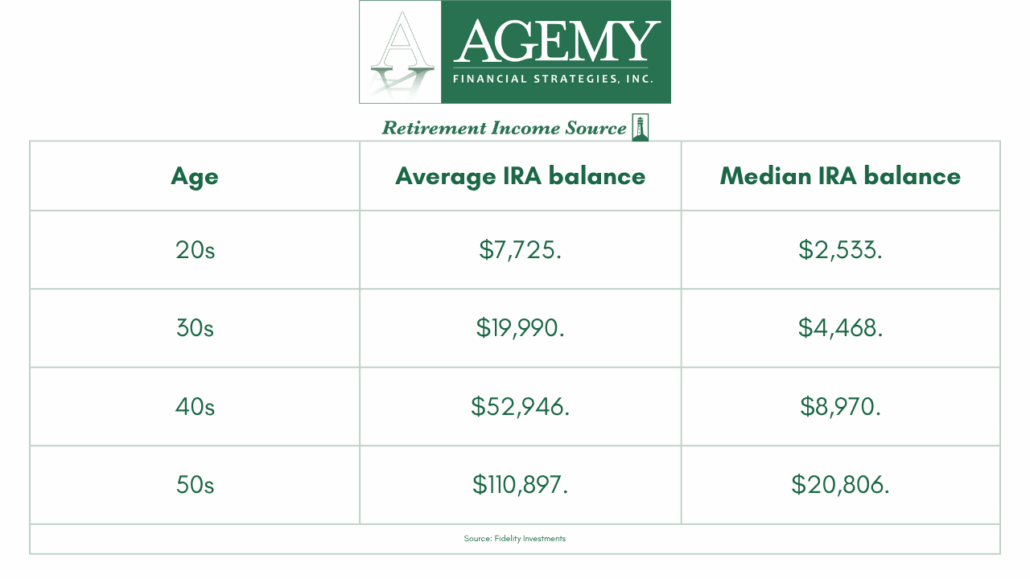
As of 2023, there has been an 11.1% uptick in the number of Americans choosing to open IRA accounts. This surge is reflected in the table below, which shows a total of 13.1 million IRA accounts currently active.
Fiduciary advisor near me

However, SDIRAs open the door to a wider range of assets. With an SDIRA, you can invest in precious metals, commodities, private placements, real estate, and other unique options. This means that managing an SDIRA requires more effort and careful research from the account owner.

Understanding Taxes, Withdrawals and Contributions

Contributions to a self-directed IRA are limited to yearly amounts. In 2023, this amount is $6,500 for individuals under 50, and if you’re over 50, you can add an extra $1,000 as a catch-up contribution.

When you decide to start taking money out, you’ll have to pay regular income taxes unless you’re 59½ or older. If you withdraw any funds before hitting this age, there’s a 10% penalty, and you’ll still owe income tax on what you take out.

Once you reach 73, the IRS says you must begin withdrawing money. The amount you need to withdraw depends on your account balance and life expectancy, following their minimum requirements.

Benefits of Self-Directed IRAs for High Net Worth Retirees

It is common for most high-net-worth retirees to invest a notable portion of their wealth in traditional avenues. Self-Directed IRAs (SDIRAs) present a valuable opportunity to grow your investment portfolio. Here’s a look at some of the benefits SDIRAs can offer:

  • Diversification Opportunity: SDIRAs allow high-net-worth retirees to diversify their investment portfolios beyond traditional stocks and bonds, reducing overall risk exposure.
  • Tax Advantages: Contributions to a traditional SDIRA are usually tax-deductible, and investments grow tax-deferred until retirement withdrawals, benefiting high-net-worth individuals in higher tax brackets.
  • Personalized Investment Options: SDIRAs empower investors to make decisions based on their expertise and preferences, potentially leading to higher returns.

Now that we know about the benefits let’s look at some drawbacks.

Potential Drawbacks of Self-Directed IRAs

Managing SDIRAs can be more intricate than traditional retirement accounts, requiring a deeper understanding of investment options and compliance with IRS regulations. While SDIRAs offer many advantages, it’s important to be aware of their potential drawbacks:

  • Complexity: Managing a self-directed retirement account can be more complex than a traditional IRA. You must adhere to IRS rules and regulations, and certain investments may require additional paperwork and compliance measures.
  • Risk: With greater investment control comes greater responsibility. High net-worth retirees must carefully research and select investments, which can be riskier if not done wisely.
  • Fees: SDIRAs may have higher administrative fees than traditional IRAs, given the need for additional services like custodians or facilitators for certain asset types.

Working with a financial advisor can help you understand the advantages and drawbacks of SDIRAs. They can assist you in making informed decisions about your retirement savings strategy.

Is a Self-Directed IRA Right for You?

Determining whether a Self-Directed Individual Retirement Account (SDIRA) is the right choice for you involves considering various crucial factors. Firstly, your level of investment experience plays a pivotal role; if you possess knowledge in alternative investments like real estate or private equity, an SDIRA may align well with your expertise and interests.

Secondly, assessing your risk tolerance is vital, as self-directed investments carry potential risks that require careful management and due diligence. Lastly, consulting with a financial advisor to understand the tax implications of incorporating an SDIRA into your financial strategy is essential. They can help you learn about the potential tax benefits and associated consequences.

Working With a Financial Advisor

Navigating the complexities of retirement planning, especially with Self-Directed IRAs, can be challenging. Working with an experienced financial advisor becomes crucial to help you navigate this financial realm.

A financial advisor can help you review your investments while accounting for risk management tactics to help ensure they remain in sync with your financial situation. At Agemy Financial Strategies, our team of financial advisors is here to walk you through the process of achieving renewable wealth so that your money can work hard for you and you can reap the benefits of a comfortable retirement. Here are just some of the many ways we can help our clients:

By regularly reviewing and adjusting your plan, you can make informed decisions to help maximize your retirement savings and help ensure financial security for you and your loved ones.

Last Thoughts

Self-Directed IRAs offer a unique way to plan for retirement, especially for those nearing retirement. However, they require careful thought and more active management of your investments.

To see if an SDIRA fits your retirement goals and financial situation, it’s crucial to talk to a financial advisor. Making the right choice can set you up for a successful retirement that helps your finances for years to come.

Start your journey to financial success by scheduling your complimentary strategy session today.

Breaking a leg, needing heart surgery, or suffering from chronic illnesses like diabetes and arthritis: What hurts the most as you age? While all of these medical incidents include extreme suffering, the biggest pain you could face in retirement is covering healthcare costs.

Planning for healthcare in retirement can be daunting, as it often comes with substantial costs that need careful consideration.

Health insurance premiums typically account for most retirees’ yearly healthcare expenses, making up around 70% to 81%. While most premiums can be managed using your monthly retirement income and federal healthcare programs, not being ready for unexpected out-of-pocket expenses can derail your retirement.

To navigate this complex landscape, you need the right strategy in place. Here’s how you can secure a financially stable and healthy retirement.

Assess Your Current Health and Healthcare Needs

The percentage of people in the United States who are 65 years and older has increased noticeably in recent years. And it’s expected to reach 20% of the US population by 2030. Because folks 65 and older typically spend more on healthcare than any other age group, this increase in older Americans will likely increase healthcare costs in the long run.

Assessing your current health and healthcare needs is a crucial initial step when planning for predicted costs in retirement. This process involves taking stock of your current well-being, as well as anticipating potential health issues in the future:

  1. Evaluate Your Current Health Status: Consider factors such as your overall physical fitness, existing medical conditions, family genetic disorders, and general well-being. Are you in good health or do you have any ongoing health concerns? Understanding your health status and potential issues down the road provides a baseline for future planning.
  2. Medical History: Take note of any surgeries, hospitalizations, or significant health events you have experienced. Understanding your medical history can help you anticipate potential health issues or complications that may arise as you age. Take note of any hereditary illnesses or conditions in your family, as these may influence your health outlook and potential healthcare costs.
  3. Chronic Conditions: If you have any chronic health conditions, assess their severity and the ongoing treatment they require. Chronic conditions often demand regular doctor visits, medications, and specialized care, all of which can significantly impact your healthcare expenses in retirement.
  4. Lifestyle Factors: Consider your lifestyle choices, such as diet, exercise, and stress management. As you age, these factors can substantially impact your overall health and healthcare needs.

By thoroughly assessing your past, present, and potential future health and healthcare needs, you’ll be better prepared to make informed decisions about your retirement healthcare budget. This process can also help you explore options for health insurance, long-term care insurance, and other financial strategies to ensure you have adequate resources to cover your healthcare expenses in retirement.

It’s essential to periodically revisit and adjust your healthcare plan as your circumstances change.

Understanding Medicare Coverage

Medicare is a federal health insurance program designed for those aged 65 and older, along with some younger individuals with disabilities. This coverage ranks as the second-largest program in the federal budget. After accounting for offsetting receipts in 2022, its expenditures reached $747 billion, 12 percent of the total federal spending.

As of March 2023, The Centers for Medicare & Medicaid Services (CMS) released the latest enrollment figures. As of March 2023, a noteworthy 65,748,297 individuals have become beneficiaries of Medicare. This number underlines how significant this coverage is, with nearly 100,000 more people enrolling since the previous report in September.

Medicare comprises four distinct parts, labeled A, B, C, and D, each addressing specific aspects of healthcare. Let’s look deeper at the different parts of Medicare to understand what it covers.

  • Medicare Part A: Often referred to as hospital insurance, Part A covers inpatient hospital stays, skilled nursing facility care, hospice care, and some home healthcare services.
  • Medicare Part B: As medical insurance, Part B covers outpatient care, doctor’s visits, preventive services, and medical supplies like durable medical equipment.
  • Medicare Part C (Medicare Advantage): These are private health insurance plans approved by Medicare, offering the same coverage as Parts A and B, often with added benefits such as prescription drug coverage and dental services.
  • Medicare Part D: This is the prescription drug coverage plan, available through private insurance companies, that helps cover the cost of prescription medications.

While Medicare provides substantial coverage, it’s important to know that it doesn’t cover everything. Many retirees opt for supplemental Medigap insurance or Medicare Advantage plans to fill the gaps. But you may need additional coverage beyond these plans.

Exploring Long-Term Care

Effective insurance planning can help preserve your retirement savings while ensuring you’re prepared for this crucial aspect of your healthcare needs. One of the most significant potential healthcare expenses in retirement is long-term care. Someone turning 65 today has almost a 70% chance of needing some type of long-term care services and support in their remaining years.

Planning for this expense is crucial, as Medicare only covers limited long-term care costs under specific conditions. According to a Genworth survey, the median cost for a private room in a nursing home exceeds $100,000 annually, while an in-home health aide could cost $60,000 or more annually.

Some individuals self-fund their long-term care expenses by relying on retirement savings, investments, and other assets. However, this can be risky, as long-term care costs can quickly deplete these resources. Developing a comprehensive retirement plan that accounts for potential long-term care needs is essential.

A long-term care insurance policy helps cover the costs of that care when you have a chronic medical condition, disability or disorder such as Alzheimer’s disease. Most policies will reimburse you for care given in a variety of places, such as:

  • Your home.

  • A nursing home.

  • An assisted living facility.

  • An adult day care center.

Considering long-term care costs is an important part of any long-range financial plan. But don’t wait: you won’t qualify for long-term care insurance if you have a debilitating condition, and long-term care insurance carriers won’t approve most applicants older than 75. Most people with long-term care insurance buy it in their mid-50s to mid-60s.

By taking a detailed approach to healthcare coverage in your retirement plan, individuals can help ensure they have the resources necessary to pay for the care they may require. Given the complexity of long-term care planning, consulting with a financial advisor can be valuable in developing a personalized strategy that addresses your unique needs and circumstances.

Working With a Financial Advisor

Healthcare costs and your health needs can change over time. It’s essential to regularly review and update your retirement healthcare plan to ensure it aligns with your current situation. Working with a Financial Advisor can help you navigate the complex world of healthcare costs and retirement savings strategies.

At Agemy Financial Strategies, our team of Fiduciary Advisors helps individuals navigate the complexities of long-term care planning. We’ll evaluate your current financial and healthcare situation, identify potential risks, and develop a personalized plan to meet your long-term care needs.

By recognizing that healthcare costs can pose a significant threat to your retirement nest egg, we will identify potential risks and costs associated with your health and insurance needs. This includes factors like inflation, potential health changes, and the impact of long-term care expenses on your savings.

Our trusted Financial Advisors will provide you with ongoing support by regularly reviewing your retirement plan and making necessary adjustments so you can enjoy your retirement years without worry.

Final Thoughts

Securing an enjoyable retirement requires careful planning–especially with today’s monumental healthcare expenses. By gaining insights into the healthcare cost landscape, you can proactively prepare yourself for these financial setbacks in your golden years.

If you’re seeking assistance crafting a retirement plan that considers hidden healthcare costs, speak with your dedicated Fiduciary advisors at Agemy Financial Strategies. We can help you decide what insurance plans are the best option for you.

If you’re ready to get started, contact us today and schedule your complimentary strategy session here.


Disclaimer: This content is for educational purposes only and should not be considered financial or investment advice. Please consult with the fiduciary advisors at Agemy Financial Strategies before making any investment decisions.

September was a rocky month for the stock market and may have offered a stark preview of what the final weeks leading up to the presidential election will be like for Wall Street. Towards the end of the month, both the Dow Jones Industrial Average and the S&P 500 were flirting with correction territory, which officially means a 10% decline from their peak highs.* Meanwhile the Nasdaq was down by more than 10%, as the tech rally that has helped buoy the index and the markets in general throughout the Covid-19 crisis ended. With one of the most contentious elections in American history now just weeks away, and the coronavirus still pummeling parts of the economy, a nervous, mostly down-trending market may very well be the norm right up to November 3rd, and possibly beyond that.

In truth, what we saw in September was typical from a historical perspective. The two months before a presidential election are almost always a volatile period for the markets for two reasons. One is simply uncertainty over the election’s outcome, and that’s obviously a big factor where this race is concerned. Most polls continue to show Joe Biden leading among voters, and Wall Street knows a Biden victory would likely mean a rollback or amendment of the Trump administration’s corporate tax cuts. That, of course,

could further undercut economic growth at a time when it’s already shrunk massively due to the pandemic. On the other hand, there is plenty of debate as to whether a Trump victory would automatically be better for the economy and trigger a new market rally—particularly in light of the pandemic.

The other issue that typically makes big investors nervous just before an election is the legislative inertia that occurs. Politicians are too focused on politics to get anything done, and that’s a major concern this year since the House and Senate have yet to agree upon a follow-up to the Coronavirus Aid, Relief and Economic Security (CARES) Act approved in March.** This is true despite the fact that lawmakers and economists almost universally agree that additional relief measures are needed, especially with all the uncertainty still surrounding the pandemic as we head into fall.

Autumn’s Unknowns

As I’m sure you’re aware, the U.S. surpassed 200,000 deaths linked to Covid-19 in September, the most of any nation in the world.*** Meanwhile, infection rates began spiking again across much of Europe, and in parts of America as schools reopened. Will that trend continue as autumn deepens? It’s possible, and the economic impacts could ramp up again too as outdoor seating options that have allowed many restaurants and other businesses to hang on during the summer months disappear in colder parts of the country. The dining industry has already been hit extremely hard by the pandemic. According to an economic impact analysis by Yelp, over 50% of its restaurants had already closed permanently by early summer, and the number has likely increased since.****

Even if no major resurgence in infections does occur this fall, the economic fallout of the coronavirus crisis seems likely to drag on for other reasons. Those include the psychological impact of the pandemic, and the comfort level most consumers have attained with alternative forms of shopping and recreation. Already, major chains have announced they will not host traditional in-store “Black Friday” sales this year, and for the first time ever, the Macy’s Thanksgiving Day Parade will be an entirely virtual event!

So far, the massive shift to things like e-commerce, videoconferencing, and virtual entertainment has managed to offset the impact of business closures and social distancing rules and helped limit some of the economic damage from Covid-19. However, the longer-term repercussions of this shift have probably yet to be felt as they relate to things like jobs, bottom-line corporate growth, and overall economic stability. Big investors know this, and it’s another reason they’re likely to keep “one finger on the trigger” in the last quarter of the year, ready to pull out if nervousness gives way to fear and triggers another major market downturn.

Uncommon and Unprecedented

While a nervous market in the months before an election is historically common, there also some things about our current situation that make it very uncommon—namely the pandemic and the highly divisive political climate surrounding this election. So far Wall Street has shown amazing resilience in the face of these issues, but that’s due largely to another factor that isn’t merely uncommon but entirely unprecedented. That is the massive amount of artificial stimulus the Federal Reserve has pumped into the economy since the Financial Crisis 10 years ago— which has become even more massive as a result of the pandemic.*****

Will the Fed’s “steroids” continue to pump up Wall Street and stave off another major correction even if coronavirus cases see another major spike this fall? Or even if another relief and stimulus package is not approved? Or even if there is a lengthy legal and congressional battle over the results of the election that prolongs legislative inertia and keeps Washington stuck in the muck like a stalled Jeep?

The bottom line is that these are all important questions to consider as you review your financial strategy this fall. Are you playing smart and sufficient financial defense at this crucial time? Are you well-positioned to take advantage of new opportunities that may emerge one day when the markets and economy are more stable again? Because, rest assured, that day will come!

*Marketwatch.com **“Virus Bill Blocked in Senate as Prospects Dim for New Relief,” AP, Sept. 10, 2020 ***“Unfathomable US Death Toll from Coronavirus Hits 200K,” AP, Sept. 22, 2020 ****“Yelp Finds 53% of Restaurants Have Permanently Closed,” Eater.com, June 26, 2020 *****“Stock Markets Have Now Seen the Peak of Fed Stimulus,” MarketWatch, Sept. 17, 2020