Latest News
Everything thats going on at Enfold is collected here
Hey there! We are Enfold and we make really beautiful and amazing stuff.
This can be used to describe what you do, how you do it, & who you do it for.
How to Prepare for Retirement in a Volatile Market
Investment Management, NewsFor every investor, the world has become a hard place. But for those reaching retirement, pressure is significantly mounting. Here’s how to cope with a roller-coaster market on the lead up to your golden years.
When you think of retirement, many Americans imagine a fun and relaxing lifestyle. However, preparing for retirement is no easy task– especially with volatility and rising interest rates. This past year has been especially challenging to plan for retirement. The economy has been turbulent and many are having a hard time keeping up with the cost of living.
It’s estimated that 1.5 million retirees have re-entered the U.S. labor market over the past year due to such factors as more flexible work arrangements, rising costs, and the inability to keep up while on a fixed income (according to an analysis of Labor Department data by Nick Bunker, an economist at Indeed). Additionally, 25% of Americans feel they have to delay their retirement plans because of disrupted savings resulting from increased prices and market instability.
During such an uncertain time many are second guessing their road to retirement. However, a down market should not deter you from reaping the benefits of a fruitful retirement. Here are a few tips to help you prepare for your golden years in a volatile market.
Evaluate Risk Tolerance
When it comes to risk tolerance, having a diversified portfolio will help minimize the impact of risk and total loss in a volatile market. The right mix of investments for you will depend on your unique circumstances, including your age, investment goals, and risk tolerance.
The key is to find the right balance of risk and reward for you.
Investing Without Emotions
It can be hard not to invest with emotions. After all, it’s your hard-earned cash you’re watching rise and fall. Market volatility is a stressful environment for anyone with money in the stock market. Investing with emotions can lead to significant losses.
It can be difficult to impulse buy or sell stocks when the market is experiencing a hiccup. In the end, it’s hard to predict market behavior—so try not to make any risky or permanent decisions regarding your portfolio when it’s likely that current market conditions are temporary. Stick to your investment plan and build on these important building blocks:
Your plan is like a safety belt when the market starts seesawing. Stay on track by sticking to it during market swings.
Having a Plan in Place
When it comes to planning for retirement, having a long-term plan can help ease stress and keep you on track for the long-run. Market volatility can tempt you to want to ditch your plan, but it’s important to think long-term. If you’re nearing retirement it may be an appropriate time to make some small changes in order to reduce the chances of major risk. Make sure to rebalance your investment plan on a regular basis — quarterly, semiannually or once a year. Why? Because volatile markets can change the proportion of your funds in different asset classes. Therefore, rebalancing resets your portfolio to your desired investment mix.
Note: It’s important not to make any significant changes without consulting your financial advisor. A trusted advisor is crucial to your success when preparing for retirement during a volatile market.
Final Thoughts
Don’t let market volatility derail your retirement savings plan. With the market’s current conditions, it may not be as smooth of sailing as you’d hope for–but market downturns don’t last forever.
The investment professionals at Agemy Financial Strategies can help you make sure your investments and assets are mixed to create a balanced plan for your unique retirement goals. Regardless of a volatile market, we can help strategize asset allocations to help stomach inflation, or revise your current plan to make helpful amendments.
If you’re looking for more ways to prepare for retirement with inflation, connect with the team at Agemy Financial Strategies here to help you get started on your portfolio diversification journey today.
How to Create a Diversified Portfolio for Retirement
NewsWe’ve said it before and we’ll say it again: Diversify your portfolio! This practice is designed to help reduce the volatility of your portfolio over time. Let’s take a deeper look.
What does it mean to have a diversified portfolio? And why is it important? Diversifying your investments is a complicated process that requires spreading out your money into different types of investment vehicles. By diversifying your portfolio you are reducing your chances of risk and allowing your money to grow.
In life, you have probably heard the saying “Don’t put all your eggs in one basket.” Essentially, don’t put your money all in one investment, because if it fails, you’ll lose it. Diversification is part of long-term investing strategy and should be taken with a balanced approach in order to build your wealth for the years to come.
Here is what you need to know about creating a diversified portfolio for retirement with Agemy Financial Strategies.
Why is Diversification Important?
One reason why most financial advisors suggest diversification is because it reduces your chances of risk. When it comes to investing there will always be some sort of risk involved. However, by having different types of investments you can still grow your money without destroying your financial future if one investment turns out poorly.
Here is an example. If you put retirement savings into one stock, what happens when the company goes under? Your investments are gone, and you can’t get them back. That is why investing in single stocks is not the best option.
Diversification by Assets
When it comes to diversification, having various types of asset classes in your portfolio is a good strategy to implement. Here are the most common types of investments:
Second, be sure your stock investments are diversified. You can achieve this in a few different ways:
If you own your home, you are already taking part in diversification. Being a homeowner is a great way to build equity outside of traditional investing options. There are also many ways to invest in real estate. Investing in mutual funds is also another great approach in diversifying your portfolio.
Here are some reasons why mutual funds are slightly better than traditional asset classes:
Now that you know a little about why diversification is important, we can take a look at ways to implement diversification into your portfolio for retirement.
Choose Your Account
You probably already know that spreading your 401(k) account balance across a variety of investment types makes good sense. If you’re still in the workforce, get started by opening your 401(k) or 403(b) at work and see what mutual fund options you have. Workplace retirement plans like these have many advantages—they give you a tax break, they can be automated through your payroll deduction, and your employer most likely offers a match.
If you don’t have access to a retirement account, then your best option is a Roth IRA. Using a Roth is an added bonus as your money will grow tax-free!
Diversify Through International Funds
As you explore your account, you’ll see a list and description of your fund options. Here are the four types of mutual funds you should spread your investments into:
In order to diversify your portfolio, it’s important to put your money in different funds and classes. That way, if one type of fund isn’t doing well, the other three can balance it out.
Never Forget Risks Involved
As mentioned, the primary goal of diversification is to spread out your risk so that the performance of one investment doesn’t necessarily correlate to the performance of your entire portfolio. Diversified portfolio or not – always remember there is risk involved.
Examples include:
In general, the more assets your portfolio holds, the more diversified and resilient to different types of risk it is.
Let’s Talk Strategy!
You’ve probably got lots of questions about how to get started diversifying your portfolio. The investment professionals at Agemy Financial Strategies can help you make sure your investments and assets are mixed to create a balanced plan for retirement.
We provide solutions for your specific financial situation. Whether it’s helping you strategize asset allocations to help stomach inflation, or revising your current plan to make helpful amendments –we are here to help.
Connect with the team at Agemy Financial Strategies here to help you get started on your portfolio diversification journey today.
Agemy’s Guide to Understanding Inflation in 2022
NewsInflation is on the increase around the world, with food and energy prices hitting record highs – exacerbated by the Russian invasion of Ukraine. But has inflation peaked? And what’s the fix?
If you’re like most Americans, you may be wondering where all of your money is going at the end of the month.
Inflation has taken a toll on many Americans this past year. Inflation is at an all time high coming in at a rate of 8.6%, which is the highest level it has reached since 1981. Whatsmore, the average American household is spending as much as $460 more on the same things they were purchasing last year.
There are countless amounts of articles and blogs that will walk you through inflation and how it works, but not enough on how Americans can survive this historic inflation crunch. Whether it’s budgeting, cutting expenses, or boosting your income, there are always ways to help counter the impact of inflation.
Here is what you need to know.
Lifestyle Changes
Before we get into ways to grow your money back, there are day-to-day changes you can make that will add up quickly and positively impact your nest egg.
Budgeting
Budgeting isn’t fun for anyone (well, aside from number-crunching fanatics), but it is a crucial aspect of getting your finances in order. Time and time again, too much money goes out and not enough comes in. Mastering your money is key to financial success and happiness that lasts. Luckily, there are many online resources you can use to help you budget more effectively.
The very first thing most individuals do when it comes to creating a budget is pay their bills. While this is not a bad thing, maybe you can look at it in a different lens. Perhaps trying a new approach can help you save more in the long run?
When you create your budget, start the other way. Ask yourself, “How much money can I use to pay myself first and treat myself as your main priority in life?” Either way, establishing a realistic foundation of your current financial status is the best way to establish your footing against the raging inflation storm. A great place to start is with our free online calculators here.
Cutting Expenses
When it comes to cutting expenses, you should think about doing this realistically. In a perfect world, we could cut our rent or mortgage payments in half and have this solve many of your money problems. However, it’s not a perfect world, so we must go after cutting unnecessary expenses instead.
In the past most people would be able to pass on a nice dinner out monthly to cut unnecessary expenses. However, inflation has made it easier to see shrinkage even by cutting out this cost. In order to combat that shrinkage, have a conversation with yourself: “Is this something I need? Is this something I’m getting the value out of? For most people, there’s a lot of expenses that they can cut and they’re not even going to notice a difference.
An easy way to start is by canceling services you don’t use as much as you thought you would such as streaming services and gym memberships. You can track these down yourself, or you can utilize online apps such as mint to help monitor your spending.
Other ways to trim your expenses during inflation include:
At the end of the day, sit down and map out what is no longer serving you and cut it. You will be surprised with how much you can save by canceling subscriptions or switching to a different provider.
Financial Changes
Now we have your lifestyle changes noted, it’s time to talk money. More importantly, how to grow your money in these challenging financial times.
Boosting Income
We are currently in the peak of the workers market. Meaning, there are jobs and opportunities for many people. Depending on where you work and if you’re still in the workforce, now may be the most efficient way to increase your income. With job openings at an all time high and layoffs at a historic low, employers are trying hard to keep their employees.
Asking for a raise is one way to boost your income. Another way to do this is by reviewing the salary data for your role and job description. Could you earn more elsewhere? Having a well-planned strategy, but pointing out the truth of the marketplace is fair game.
Maybe it’s time to scratch that side-hustle itch. The gig economy remains very much with us, and picking up extra cash might be no more than a mouse click away. This is especially true if you have expertise gained through education and experience. This could easily lead you to market your freelance skills as a retiree.
This applies especially to seniors who’ve lately discovered their retirement financial plan needs some patchwork. A great opportunity for seniors is working for a small business that needs someone highly experienced with flexible hours. It could be a win-win for someone looking to do a phased retirement.
Savings Strategies
Taking advantage of your company’s 401(k) is the best way to pay yourself first –especially if your employer offers a match. Make a contribution or take full advantage of this opportunity.
After age 50, your retirement plan may allow you to make catch-up contributions. These let you make additional contributions—beyond the regular maximum contribution, which you must first meet—to your IRA or your organization’s plan (if applicable). In 2022, you can make a maximum annual contribution of $20,500 to your employer’s retirement plan if you’re still working. And if you’re age 50 or older, you may be able to make an additional catch-up contribution of up to $6,500.
Focus on Investments – Safe Investments
When you’re nearing retirement, you need a somewhat different approach to protect yourself from inflation. You can’t afford to take as much short-term risk with your investments because you need them to provide a steady income for you to live on.
In this situation, you need investments that offer decent yields with little risk. Good lower-risk investments as you near retirement include certificates of deposit (CDs), Treasury bonds, municipal bonds, and annuities.
These investments protect your principal, but they carry a risk of their own: the interest rate they pay might not keep pace with inflation. If the inflation rate is high, money tied up at a low, fixed interest rate will lose value over time.
Finally, have you considered using dollar-cost averaging to build wealth over time? Dollar-cost averaging requires the investor to invest the same amount of money in the same stock on a regular basis over time, regardless of the share price. The number of shares purchased each month will vary depending on the share price of the investment at the time of the purchase. The idea being when the share value rises, your money will buy fewer shares per dollar invested. When the share price is down, your money will get you more shares. Over time, the average cost per share you spend should compare quite favorably with the price you would have paid if you had tried to time it.
Beating Inflation with Agemy
If you’ve checked in on your retirement savings during a period of volatility and noticed lots of seesawing in value, it’s possible your current mix of investments, called an asset allocation, could use some adjusting. This is where speaking with your trusted Fiduciary advisor can help. This is because an experienced financial professional can help talk you through what’s happening in the markets that you don’t understand.
At Agemy Financial Strategies, we provide solutions for your specific financial situation. Whether it’s helping you strategize asset allocations to help stomach inflation, or revising your current plan to make helpful amendments –we are here to help.
Connect with the team at Agemy Financial Strategies here to help you get started on your retirement planning journey today.
How to Manage Your 401(k) for Retirement Success
Investment Management, News, Retirement PlanningAre you making the most of your 401(k)? A well-managed 401(k) is the cornerstone of a secure retirement, yet many people miss out on maximizing its potential. A recent survey reveals that while 57% of workers contribute to a 401(k) or company-sponsored savings plan, a staggering 41% are leaving money—and peace of mind—on the table.
In this blog, we’ll break down essential strategies to help ensure your 401(k) works harder for you. We will cover everything from smart asset allocation to minimizing fees. Here’s what you need to know to help protect your future and avoid common retirement pitfalls.
Understanding Your 401(k): The Basics
A 401(k) is a retirement plan employers offer that lets you save and invest part of your paycheck before taxes are taken out. One of its biggest benefits is tax-deferred growth, which allows your savings to grow over time without being taxed until you withdraw them in retirement. Here’s a breakdown of the key features of a 401(k):
Diversification is a fundamental principle of investing that involves spreading your money across different asset classes, such as stocks, bonds, and cash, to help minimize risk. For 401(k) holders, diversification can provide a potential cushion against market volatility and help reduce the impact of a downturn in any single investment.
A well-diversified portfolio might include a mix of:
Consider Roth 401(k) Contributions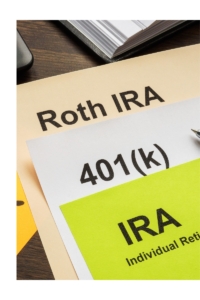
While traditional 401(k) contributions are made pre-tax, some employers offer a Roth 401(k) option, where contributions are made after-tax. This means you pay taxes now, but qualified withdrawals in retirement are tax-free. This strategy can be effective for high-net-worth individuals, especially if you anticipate a higher retirement tax bracket. To determine whether Roth contributions are right for you, consider the following:
Ultimately, deciding between traditional and Roth 401(k) contributions—or a combination of both—depends on your financial situation and long-term retirement goals. Consulting a fiduciary advisor can help tailor a strategy that maximizes your tax savings and helps ensure you’re on track for a successful retirement.
Consider Rolling Over to an IRA
Effectively managing your retirement accounts, such as 401(k)s and Roth IRAs, requires a strategic approach that maximizes tax benefits. Many individuals choose to roll their 401(k) into an Individual Retirement Account (IRA) upon retirement. This move can offer several key benefits:
However, be mindful of potential downsides, such as losing certain creditor protections unique to 401(k) plans. Consult a fiduciary advisor to help weigh the pros and cons based on your specific situation.
Regularly Review and Adjust Your Plan
Over time, market movements can cause your retirement portfolio to stray from its intended asset allocation. Rebalancing is the process of selling assets that have performed well and buying those that have underperformed to help restore your portfolio to its original target allocation. This practice helps maintain your preferred risk level so that your 401(k) remains aligned with your retirement goals.
Regular reviews of your 401(k) and similar accounts are essential to keeping your plan on track. It’s a good idea to set a schedule to review your account at least once a year, making adjustments as necessary based on:
Working with a fiduciary advisor can help you navigate timely adjustments that will help ensure your 401(k) stays on course as your circumstances and the market evolve.
Properly managing a 401(k) requires knowledge and ongoing attention. Consulting with a fiduciary advisor can help you make informed decisions tailored to your unique circumstances. At Agemy Financial Strategies, our team of fiduciary advisors is here to walk you through the process of achieving renewable wealth so that your money can work hard for you and you can reap the benefits of a comfortable retirement.
Here are just some of the many ways we can help our clients:
Last Thoughts
In the quest for financial independence, your 401(k) stands out as a promising tool for a secure financial future. Its high contribution limits and tax advantages can significantly boost your retirement savings. However, partnering with a fiduciary is valuable in navigating the complexities for long-term success.
At Agemy Financial Strategies, you can rest assured knowing that your financial affairs are in capable hands. Our priority is helping you take care of yourself and your family. We want to learn more about your situation, identify your dreams and goals, and provide you with the highest level of service.
If you want to learn more about how we can help you manage your wealth, schedule a complimentary strategy session here today.
Disclaimer: This content is for educational purposes only and should not be considered financial or investment advice. Please consult with the fiduciary advisors at Agemy Financial Strategies before making any investment decisions.
How to Manage Your 401(k) for Retirement Success
NewsTo maximize your 401(k), you’ll need to understand the types of investments offered, which are best suited for you, and how to manage the account going forward, among other strategies.
Ask older Americans what they regret in their retirement planning, and chances are, they’ll say they wish they had started saving for retirement earlier. According to a survey conducted by the Insured Retirement Institute, 44% of workers believe they will not have enough income to last throughout retirement. It’s never too early to start thinking about the future — and never too late to start catching up on saving.
A 401(k) plan is an employer-sponsored retirement savings account that allows you to make pre-tax contributions to your retirement fund. One of the biggest perks about having a 401(k) through your employer is that you can set up automatic payroll deductions so that money is taken from your paycheck and deposited into your account. Which makes it easier to maximize your savings potential.
401(k)s offer you a wide variety of investment options to choose from, including stocks and bonds. You can even invest in mutual funds made up of other investments or a combination of all three options.
However, there are also restrictions on how much you can contribute each year. Here’s what you need to know about 401(k)s and how you can set them up for retirement in order to benefit you in the long run.
How They Work
There are two main options, each with distinct tax advantages.
Traditional 401(k): With a traditional 401(k), employee contributions are deducted from gross income, meaning the money comes from the employee’s payroll before income taxes have been deducted. As a result, the employee’s taxable income is reduced by the total amount of contributions for the year and can be reported as a tax deduction for that tax year. No taxes are due on the money contributed or the investment earnings until the employee withdraws the money, usually in retirement.
Roth 401(k): With a Roth 401(k), contributions are deducted from the employee’s after-tax income, meaning contributions come from the employee’s pay after income taxes have been deducted. As a result, there is no tax deduction in the year of the contribution. When the money is withdrawn during retirement, no additional taxes are due on the employee’s contribution or the investment earnings.
Now we understand how they work, it’s time to discuss ways to maximize them.
Consider Contributing the Max for Your Company Match
If you are still in the workforce and your company is matching the funds you contribute to a 401(k) savings account up to a certain point, contribute as much as you can until they stop matching the funds. Regardless of the quality of your 401(k) investment options, your company is giving you free money to participate in the program. Never say no to free money!
Once you reach the maximum contribution for the match, you might consider contributing to an Individual Retirement Account, also known as an IRA, to diversify your savings and have more investment choices. Just don’t miss out on the match!
Learn the Basics of Investing
Investing (especially in a bear market) may seem complicated and even a little overwhelming. To help you understand the basics of investing, start by reading through your 401(k) plan; essentially you should know the ins and outs of your terms.
Evaluating different funds in your 401(k) plan can be confusing. If you don’t know what an expense ratio is, or 12B-1 fees, risk tolerance, etc, it’s easy to feel overwhelmed by the jargon and miss the point of the information you’re given.
You can usually find definitions and explanations anywhere online, and if you’re still unsure then, it’s probably best to set up a complimentary call with your financial advisor to clear up any confusion. And don’t forget, you don’t have to pick just one fund. Instead, you could spread your money over several funds. How you divvy up your money—or your asset allocation—is your decision. However, there are some things you should consider before you invest.
What to Consider Before Investing
The elephant in the 401(k) investing room is risk tolerance. If you have a long time horizon, it can be smart to get aggressive with your portfolio, but those closer to retirement should be careful, too. For those close to retirement, it may be time to shift into preserving your assets rather than trying to play catch-up. Only you and your Fiduciary advisor can say what is considered “risky” for you, so always consult together first to ensure you don’t take on more risk than necessary. The least-risky investment in a 401(k) would be either money market funds or U.S. government bonds (known as Treasuries). However, these investments will typically offer a very low rate of return and may not keep up with inflation.
The risk tolerance equation also plays into your age – specifically how many years you are from retirement. The basic rule of thumb is that a younger person can invest a greater percentage in riskier stock funds. At best, the funds could pay off big. At worst, there is time to recoup losses since retirement is not imminent.
Routine Maintenance of Your 401(k)
In life there are many things that need routine maintenance on, such as your car or home. Think of your 401(k) as just another asset that needs a check-up.
Why? As different assets move up or down in value, they become a smaller or larger percentage of your overall portfolio. If you don’t rebalance on a regular basis, try to make a habit of rebalancing once every six months.
This is because the various positions in a portfolio grow at different rates, and over time the portfolio can deviate from its target allocation. Investors should look at their portfolios to see if they need to be rebalanced. Rebalancing returns the 401(k) from its current allocation to its target allocation.
Diversify, Diversify, Diversify
This is what good asset allocation is all about. Don’t put all your eggs in one basket, or all your assets into one asset class. Spread them among different asset classes and investment styles. Doing so will spread your assets over an assortment of investments and should reduce your risk.
Over time, a diversified portfolio of stocks generally returns more than a typical bond portfolio. The Standard & Poor’s 500 index has gained an average of about 10 percent annually for decades. And with many retirees living longer than ever, they’re going to need to ensure their investments provide a high rate of return. An example here is a target-date fund…
Target Date Funds
When it comes to investing your 401(k) money, many people choose a target-date fund. Target-date funds are geared to evolve as you move closer to retirement. For example, if you’re planning to retire in 2035, you would invest in a target-date fund that matures in that year. The fund’s managers will continually re-balance the fund to maintain an appropriate allocation as the target date gets closer.
But there are also some reasons as to why this type of fund may not be the best choice. Firstly, funds use different allocation strategies, which may or may not be a good match with your goals. A target date fund’s performance is largely based on the fund managers. Since you probably don’t know the difference between a good manager from the bad, picking a fund will be difficult.
Equally important, fees for these funds are often high, and novice investors don’t understand the golden rule of target-date funds: If you invest in one, don’t mix it with other investments. These funds have been notorious for being an “all or nothing investment”. Investing in it can throw off the allocation of your 401(k).
How Do I Start a 401(k)?
If you work for a company that offers a 401(k) plan, contact the human resources or payroll specialist responsible for employee benefits. You’ll likely be asked to create a brokerage account through the brokerage firm your employee has selected to manage your funds. During the setup process, you’ll get to choose how much you want to invest as well as which types of investments you want your 401(k) funds invested in.
How Agemy Can Help
Nothing is more central to your retirement plan than your 401(k). It represents the largest chunk of most retirement nest eggs. A comprehensive financial plan can help you make the right investment decisions and prepare for retirement.
At Agemy Financial Strategies, our Fiduciary financial advisors are equipped with the tools to help you make the right investments and make the most out of your retirement savings. We are here to help you navigate any questions you have regarding investments, retirement savings and anything else that comes up during your retirement process.
As Fiduciary advisors, it’s our duty to act on your behalf in finding the right solutions for your individual wants and needs. For more information on investing, retirement and financial planning services, contact us here today.
Is an Early Retirement for You?
NewsEarly retirement or late retirement – that is the question! If you’re thinking about retiring early, you’ll want to carefully weigh this life-changing decision. Here’s what you should know!
Retirement plans can be affected by many factors, such as job loss, health, or family responsibilities. These issues can lead people to leave the workforce and retire sooner than expected. On the flipside, many are forced to work longer than they planned to make up for the shortfalls of such events. However, if you’re lucky enough to be in control of your retirement, it is important to note the benefits and pitfalls of retiring early before you make any decisions.
What is considered early retirement? Typically, leaving the workforce before the age of 65 is considered early retirement. But most see retiring “early” being in their 40s or 50s. Increasingly, employers are not offering traditional pensions to their employees, which in the past allowed them to supplement their guaranteed income and potentially retire early. What’s more, Social Security can begin being collected as early as 62, but you won’t receive your full benefits until age 66. With or without a traditional pension, it’s important to have a plan in place if you wish to make your dream to retire early a reality.
Pros of an Early Retirement
If you’ve had the same commute or schedule for years, it might be exhilarating to think of breaking free. Before doing so, you’ll need to ensure you have enough money set aside.
Improvement to Your Well-Being
Sleeping in and being able to do the things you have been wanting to do for an extended period of time sounds nice right? Many of us can imagine how good it feels to leave the office behind and opt in for healthier habits.
Studies have shown that retiring earlier in life makes you live longer. Obviously gender, race, ethnicity, education and other aspects of life play into that factor. An analysis in the United States found about seven years of retirement can be as good for health as reducing the chance of getting a serious disease (like diabetes or heart conditions) by 20 percent.Positive health effects of retirement have also been found by studies using data from Israel, England, Germany and other European countries.
More time to Enjoy Activities
Once you have retired, you no longer have to worry about taking time off from work to go do the things you’ve always wanted to do. One of the biggest benefits of retiring early is the health and flexibility you will have to retire. You will also have more time to see your friends and family, potentially more time with your grandchildren too. Oh the places you can go!
Plus, the earlier you retire, the more years you’ll have before health issues begin to limit your mobility.
New Opportunities
If you’re feeling like it’s time to make a change, don’t wait until later. Starting your own business or switching fields at age 60 tends to be a challenging and risky move. However, starting earlier will give you more time to get established in your new career path.
If changing careers is something that you do want to do, it’s better to retire early. A business that’s launched at age 60 could easily keep you intellectually challenged and out of mischief for another 20 years or more.
Reduce The Cost of Living by Moving
If you’re considering early retirement, you may be in a position to sell your home and move to a new city or state. This is especially true if you live in an area that has a high cost of living.
Let’s use the example of a homeowner who purchased a house in Connecticut in the 1990s and is considering selling it and moving to a state where the cost of living is much less, such as Colorado.
This is a clear win-win for the homeowner, who can sell the home that has increased significantly in value over the years since its purchase. The owner may move to a new state with a lower cost of living and purchase a similar-sized home for much less. Any remaining money from the original home sale can go into retirement savings
If Your Financial Advisor Recommends It – Do it!
Retirement is a big deal. It’s the culmination of a lifetime of hard work, and it’s a milestone that deserves to be celebrated. But if you’re ready to retire early, no matter how much you’ve saved up or how much you’ve planned for your golden years, it can still be a scary thing to do.
If your financial advisor signs off on an early retirement, go for it! The first 12 to 15 months of retirement can feel somewhat like jumping off a cliff — no doubt about it. This is natural: Retirees are adjusting and settling into an enjoyable retirement during this timeframe.
Trust that your advisor knows what is best for you. As Fiduciary financial advisors, it’s our job to provide an overview of their solutions and overall retirement plan — and the confidence regarding their decision on when to retire falls into place.
Cons of an Early Retirement
Even if you save enough, there’s no guarantee that bidding farewell to the workplace will bring happiness. For some, early retirement can even lead to a sense of anxiety or a desire to go back to work. Some of the main drawbacks include:
Your Social Security Benefits Fall
The sooner you start to take Social Security, the lower your benefits will be. If you were born in 1960 or later, for example, and you start taking benefits at age 62, the earliest age at which you’re eligible, your monthly benefits will be 30% less than if you wait until age 67, which Social Security refers to as your “full retirement age”.
More Time Without Income
Leaving the workforce early means you’ll have to support yourself for a longer time, which could last for decades. As mentioned, Social Security benefits typically aren’t available until you reach age 62. There could also be tax penalties if you withdraw from certain retirement accounts before the age of 59 1/2.
You Could Pay More Health Insurance
Medicare kicks in for health insurance when you’re 65. Before then, you’re responsible! This also applies to health insurance benefits you could be receiving from your employer.
Your Money Needs to Stretch Further
If you retire at age 62 and live to 90, your individual retirement accounts (IRAs) and other savings will have to cover you for 28 years. If you retire at 70 and live for the same length of time, however, your savings will only have to last for 20 years. Working longer also means you’ll have more years to contribute to a 401(k) or another retirement plan, and the money in your plan will have more time to compound.
Loneliness
What’s the point of retiring early if you’re the only one doing it? Retirement is meant to be enjoyed, so keeping it in line with your spouse of great friends will mean less alone time for you. What’s more, office environments tend to create natural settings for social engagement. If you don’t schedule activities that involve others, you could soon be bored or disengaged with your community.
Early Retirement Planning with Agemy Financial Strategies
There is a lot at hand that needs to be considered before you decide to retire. Consider talking to your friends and family members who are pursuing early retirement before making a decision. You might also get in touch with your financial advisor to see if you have enough to retire early.
Having a trusted advisor on your side will make planning for the golden years easier –especially when it comes to creating a retirement plan.
At Agemy Financial Strategies, we take the time to handcraft a retirement plan for you based on your individual wants and needs. We’re here to help you navigate any questions you have regarding investments, retirement and anything else you may have questions on during your retirement process. As fiduciary advisors, it’s our duty to help you find the right solutions for your wants and needs.
If you have any questions regarding early retirement and our retirement planning services, contact us today.