
Traditional IRA vs. Roth IRA: Which Retirement Account Is Right for You?
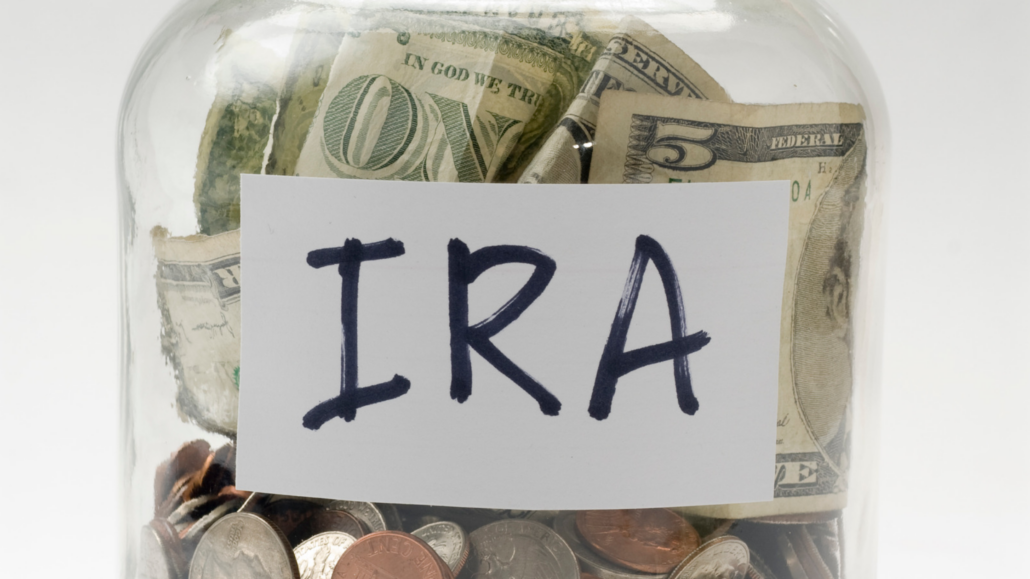
Planning for retirement involves more than deciding how much to save. It also means understanding how your savings will be taxed, when you can access your money, and how your financial decisions today may affect your income in retirement.
Two common retirement savings options are the Traditional Individual Retirement Account (IRA) and the Roth IRA. Both offer tax advantages that can help you prepare for the future, but they differ in how contributions are taxed, how withdrawals are treated, and what rules apply along the way.
So, which account is right for you?
The answer depends on several factors, including your current income, expected retirement income, tax situation, age, and long-term financial goals. Understanding the differences between these accounts can help you make more informed decisions as part of a comprehensive retirement strategy.
At Agemy Financial Strategies, we believe retirement planning should focus on preparation rather than prediction. Understanding your options today can help you approach tomorrow with greater clarity and confidence.
What Is a Traditional IRA?

A Traditional IRA is an individual retirement account that allows eligible individuals to save for retirement while potentially receiving a tax deduction for their contributions.
One of the primary benefits of a Traditional IRA is the opportunity to defer taxes. Depending on your circumstances, contributions may be deductible in the year they are made. Investments held within the account can generally grow without current federal income tax on interest, dividends, and capital gains. Taxes are typically due when you withdraw the money.
For example, if you qualify for a deduction and contribute to a Traditional IRA, that deduction may help reduce your taxable income for the year. Your retirement savings can then remain invested, subject to market performance and applicable account rules, until you begin taking distributions.
However, not everyone qualifies for a full deduction. Your eligibility depends on factors such as your income, tax filing status, and whether you or your spouse participates in an employer-sponsored retirement plan.
Traditional IRAs also have required minimum distribution rules. Generally, account owners must begin taking required minimum distributions (RMDs) by the applicable deadline based on their age and circumstances. These withdrawals are typically taxable to the extent they represent untaxed contributions and investment earnings.
For individuals who anticipate being in a lower federal income tax bracket during retirement than during their working years, the potential upfront deduction and tax-deferred growth may make a Traditional IRA worth considering. However, future tax rates and individual circumstances can change, so this outcome is not guaranteed.
What Is a Roth IRA?

A Roth IRA offers a different approach to retirement savings. Instead of potentially deducting contributions today, you contribute money that has already been taxed.
The potential benefit comes later: qualified Roth IRA withdrawals, including investment earnings, can generally be taken free of federal income tax.
This structure can appeal to individuals who want greater tax flexibility in retirement or who expect their future tax rate to be similar to or higher than their current rate.
For example, imagine contributing after-tax dollars to a Roth IRA during your working years. If your investments grow over time and you meet the requirements for qualified distributions, you can generally withdraw the money in retirement without owing federal income tax on those qualified withdrawals.
That can be valuable when coordinating retirement income from several sources, such as Social Security, employer-sponsored retirement plans, pensions, and personal investments.
Roth IRAs also have more flexible rules regarding lifetime required minimum distributions. Original account owners generally are not required to take RMDs from their Roth IRAs during their lifetimes. This may allow retirement assets to remain invested longer, depending on your needs and circumstances.
However, Roth IRA contributions are subject to income eligibility rules. Depending on your modified adjusted gross income (MAGI) and filing status, you may be eligible to contribute the full amount, a reduced amount, or nothing directly for a particular tax year.
It is also important to understand that not every Roth IRA withdrawal is automatically tax-free. Qualified distributions must satisfy applicable requirements, including the five-year rule and an eligible qualifying condition, such as reaching age 59½. Different rules can apply to contributions, conversions, and earnings.
Traditional IRA vs. Roth IRA: Key Differences
Although both accounts are designed to support retirement savings, their tax treatment and distribution rules differ.
Traditional IRA
- Contributions may be tax-deductible, depending on your circumstances.
- Investment growth is generally tax-deferred.
- Withdrawals of previously untaxed amounts are generally subject to ordinary income tax.
- Required minimum distributions generally apply during the owner’s lifetime.
- Roth IRA income limits do not apply to Traditional IRA contributions in the same way, although tax deductibility is subject to separate rules.
Roth IRA
- Contributions are made with after-tax dollars and are not deductible.
- Qualified withdrawals are generally free from federal income tax.
- Direct contributions are subject to income-based eligibility limits.
- Original account owners generally do not have lifetime RMDs.
- Access to earnings without tax or penalty depends on applicable distribution requirements.
Neither account is universally better. The right choice depends on your broader financial picture, including your current tax situation, anticipated retirement income, time horizon, and need for flexibility.

1. Consider Your Current Tax Bracket
One of the most important factors when comparing Traditional and Roth IRAs is your current federal income tax situation.
A Traditional IRA may be attractive if you qualify for a deduction and expect your marginal tax rate to be lower in retirement. Receiving a deduction today could help reduce your current taxable income, while withdrawals may be taxed at a lower rate later.
For example, someone in their peak earning years may be paying a relatively high marginal tax rate. If that individual expects to have substantially less taxable income in retirement, a deductible Traditional IRA contribution could be worth evaluating.
A Roth IRA may appeal to someone who currently has a relatively low taxable income and expects their earnings or retirement income to increase over time. Paying taxes on contributions today may be an acceptable trade-off for the possibility of qualified tax-free withdrawals later.
However, comparing today’s tax bracket with a projected retirement bracket requires more than looking at salary alone. Other income sources, deductions, filing status, changes in tax law, and the timing of retirement withdrawals can all influence the outcome.
The retirement planning takeaway: Consider both your current tax rate and the potential tax treatment of your future income rather than making a decision based on today’s income alone.
2. Understand the Tax Benefits of Each Account
Traditional and Roth IRAs provide different tax advantages, and understanding when those benefits apply is essential.
With a Traditional IRA, the potential benefit generally comes upfront. If your contribution is deductible, you may reduce your taxable income for the year. Taxes on investment earnings are generally deferred until distributions occur.
With a Roth IRA, the primary potential benefit comes later. You do not receive a deduction for contributions, but qualified distributions can generally be withdrawn without federal income tax.
Neither structure eliminates every possible tax consideration. For example, state income tax treatment may differ, and withdrawals from tax-advantaged accounts can affect other aspects of a household’s tax situation.
It is also important to remember that tax treatment and investment performance are separate issues. Neither account type guarantees a particular return, protects against market losses, or ensures that your retirement savings will last for a specific period.
Your investment choices, fees, contribution habits, and time horizon remain important regardless of which account you select.
3. Review Contribution Limits and Eligibility Rules
Before contributing to either account, understand the applicable annual limits and eligibility requirements.
For the 2026 tax year, the combined annual contribution limit for Traditional and Roth IRAs is generally $7,500 for individuals under age 50 and $8,600 for individuals age 50 or older, including the applicable catch-up contribution.
These are combined limits, not separate limits for each account. If you contribute to both a Traditional IRA and a Roth IRA in the same year, your total regular contributions across both accounts generally cannot exceed the applicable annual limit. Your eligible compensation may impose a lower limit.
Traditional IRA contributions are generally permitted regardless of income, provided the compensation and other applicable requirements are met. However, whether those contributions are deductible depends on income, filing status, and workplace retirement plan coverage.
Roth IRA contributions are subject to income phaseouts.
For 2026, the Roth IRA contribution phaseout ranges are:
- Married filing jointly: $242,000 to $252,000 in modified adjusted gross income.
- Single or head of household: $153,000 to $168,000 in modified adjusted gross income.
- Married filing separately while living with a spouse during the year: generally $0 to $10,000.
Individuals whose income falls within a phaseout range may qualify for a reduced contribution. Those at or above the applicable upper threshold generally cannot make a direct Roth IRA contribution for that tax year.
Traditional IRA deduction limits also depend on income and workplace plan participation. A contribution that is not deductible may still be permissible, but special reporting and recordkeeping requirements can apply.
These limits are specific to the 2026 tax year and may change in future years. Verify the applicable IRS rules before contributing, particularly if your income varies or you are close to a phaseout threshold.
4. Think About Required Minimum Distributions

Required minimum distributions are another important distinction between the two accounts.
Traditional IRA owners generally must begin taking RMDs at the age required under current law. The applicable starting age and deadline depend on factors such as birth year and whether an exception applies. Failing to take a required distribution can result in an excise tax, although relief may be available in certain circumstances.
RMDs are generally calculated using an IRS-prescribed method based on the account balance and an applicable life expectancy factor. Withdrawals from a Traditional IRA are typically taxable to the extent they consist of untaxed amounts.
Roth IRAs work differently. Original Roth IRA owners generally are not required to take RMDs during their lifetimes.
That difference can provide additional flexibility for individuals who do not need to draw on their Roth IRA assets immediately in retirement. It may also affect estate planning and the timing of withdrawals from other accounts.
However, beneficiaries who inherit Roth IRAs generally face distribution requirements. The absence of lifetime RMDs for the original owner does not mean the account can always be passed down indefinitely without withdrawals.
When evaluating retirement accounts, consider how required distributions may fit into your expected income needs and tax planning strategy.
5. Understand Withdrawal Rules Before You Need the Money
Retirement accounts are intended to support long-term savings, so withdrawal rules deserve careful consideration.
Traditional IRA withdrawals are generally included in taxable income to the extent they represent untaxed amounts. Withdrawals before age 59½ may also be subject to a 10% additional federal tax unless an exception applies.
Roth IRA withdrawals follow a different set of rules.
Regular Roth IRA contributions can generally be withdrawn at any time without federal income tax or the 10% early-distribution penalty. However, withdrawals of converted amounts and investment earnings may be subject to separate rules. The ordering rules for Roth IRA distributions determine which funds are treated as coming out first.
For a qualified distribution of Roth IRA earnings to be tax-free, the applicable five-tax-year requirement generally must be satisfied, along with a qualifying condition. Common qualifying conditions include reaching age 59½, disability, death, or a qualifying first-home purchase subject to a lifetime limit.
Conversions from a Traditional IRA to a Roth IRA also require careful planning. The taxable portion of a conversion is generally included in income for the year of conversion. A conversion can increase your tax bill and may affect other income-based calculations.
Before withdrawing funds or converting an account, review the applicable rules and potential tax consequences with a qualified tax professional.
6. Can You Have Both a Traditional IRA and a Roth IRA?

Yes. Eligible individuals may hold both account types and contribute to both in the same year, provided they satisfy the applicable requirements.
Having both accounts may allow you to diversify the tax treatment of your retirement assets. Rather than relying entirely on future taxable withdrawals or entirely on qualified tax-free Roth withdrawals, you may have options when coordinating income in retirement.
For example, an individual might contribute to a Roth IRA during years when their income and tax rate are relatively low, then consider deductible Traditional IRA contributions in years when the deduction may be more valuable.
Another individual may already have a Traditional IRA from previous employment or rollovers and later establish a Roth IRA to build a separate source of potentially tax-free retirement income.
These examples are illustrative, not recommendations for a particular person. Contribution eligibility, deductibility, income limits, and the combined annual contribution limit still apply.
Owning both accounts does not automatically improve a retirement plan. The decision should account for your tax situation, cash flow, investment strategy, and the administrative requirements associated with maintaining multiple accounts.
7. Is a Roth Conversion Worth Considering?
A Roth conversion involves transferring eligible assets from a Traditional IRA or another qualifying retirement account into a Roth IRA. Depending on the source of the funds and the circumstances, the taxable portion of the conversion is generally included in income for the year it occurs.
The potential advantage is that converted assets may qualify for tax-free withdrawals in the future if the applicable requirements are met. A conversion may also help reduce the amount held in Traditional IRAs that would otherwise be subject to lifetime RMDs.
However, a conversion is not automatically beneficial.
The additional taxable income may push some of your income into a higher marginal tax bracket or affect other tax calculations. It may also influence Medicare income-related premiums in later years, depending on timing and applicable rules. Paying the conversion tax from funds outside the retirement account may be worth evaluating, but the right approach depends on individual circumstances.
A conversion can be especially complex when Traditional IRA balances include nondeductible contributions. The IRS pro-rata rules may affect how much of a conversion is taxable, taking into account applicable IRA balances and basis.
Before converting, consider the amount of taxable income it would create, the source of funds used to pay any resulting tax, your anticipated retirement timeline, and whether the potential long-term benefits justify the immediate cost.
A tax professional can help model possible outcomes before you make a decision.
8. Look Beyond the IRA When Building a Retirement Strategy

Choosing between a Traditional IRA and a Roth IRA is important, but it is only one part of retirement planning.
A comprehensive strategy may also consider employer-sponsored retirement plans, pension benefits, Social Security, taxable investment accounts, cash reserves, healthcare expenses, and potential long-term care costs.
For example, an individual with a workplace 401(k) may want to evaluate how IRA contributions fit alongside employer matching contributions and the plan’s investment options. Someone approaching retirement may need to consider how withdrawals from different accounts could affect taxable income and the timing of Social Security benefits.
Estate planning is another consideration. Beneficiary designations, inherited account distribution rules, and the tax circumstances of heirs can influence how retirement assets are passed on.
It is also important to review your strategy periodically. Changes in income, family circumstances, employment, tax law, and retirement goals can affect whether your existing approach remains appropriate.
Rather than treating an IRA as a standalone decision, consider how it fits within the bigger picture of your financial life.
How to Decide Which IRA May Fit Your Goals
As you evaluate your options, ask yourself several questions:
- What is my current tax situation? Consider whether a potential deduction today or qualified tax-free withdrawals later better fit your circumstances.
- What might my retirement income look like? Account for Social Security, pensions, employer-sponsored plans, investments, and other potential sources of income.
- Am I eligible to contribute? Review compensation requirements, Roth income limits, and Traditional IRA deduction rules.
- When might I need the money? Consider withdrawal restrictions, potential penalties, and the time available for investments to grow.
- How will required distributions affect me? Evaluate whether future RMDs may influence your retirement income and tax planning.
- How does this fit with my other assets? Consider your complete retirement strategy rather than focusing on a single account.
The answers can help clarify the trade-offs, but they will not necessarily point to one universally superior option. Your financial circumstances and goals should guide the decision.
Build a Retirement Strategy Around Your Future

The difference between a Traditional IRA and a Roth IRA ultimately comes down to when you receive the tax benefit and how the account’s rules fit your financial life.
A Traditional IRA may help provide a current tax deduction and tax-deferred growth, while a Roth IRA may offer qualified tax-free withdrawals and greater flexibility regarding lifetime required minimum distributions. Both can serve a role in retirement planning, and some individuals may benefit from evaluating both.
The most effective approach is one that considers your current circumstances alongside your future income needs, tax exposure, and long-term priorities.
At Agemy Financial Strategies, retirement planning is about more than accumulating assets. It is about understanding the choices available to you and developing a thoughtful strategy that reflects your goals, circumstances, and evolving needs.
If you are evaluating your retirement savings options, consider speaking with a qualified financial professional and tax advisor about how Traditional and Roth IRAs may fit into your broader financial plan.
Plan with purpose. Prepare for the future.
Visit Agemy Financial Strategies to learn more about retirement planning and the importance of building a strategy around your individual goals.
Important Disclosure
This article is provided for informational and educational purposes only and should not be construed as individualized investment, tax, legal, or accounting advice, or as a recommendation to buy, sell, or hold any security or financial product. The information presented is based on general rules and guidance available as of October 2026 and may change. Tax laws, eligibility requirements, contribution limits, and distribution rules are subject to change and may vary based on individual circumstances. Examples are hypothetical and are not intended to represent the experience or results of any particular investor. Investing involves risk, including the possible loss of principal. Consult qualified financial, tax, and legal professionals regarding your individual situation before making financial decisions.