Posts

In 2024, despite global geopolitical tensions and economic uncertainties, the world’s economy has shown remarkable resilience and steady growth. For those looking to enjoy a comfortable retirement, however, it’s not enough to rely on general market trends. The key to financial security lies in building a well-balanced, carefully managed investment portfolio that can weather both global shifts and personal financial challenges.

As retirement nears, most pre-retirees share a common concern: making sure they have enough income to maintain their lifestyle without depleting their savings. Alarmingly, over 57% of workers believe they’re behind on their retirement savings goals. This is where a well-structured portfolio becomes essential to protecting your financial future.

For retirees in states like Connecticut and Colorado, adopting a strategic approach to income generation and risk management is more crucial than ever. In this blog, we’ll explore key strategies for building a strong retirement portfolio, review current statistics on retirement needs, and explain how Agemy Financial Strategies can help you navigate the complexities of retirement planning.

It’s important to note the following information provided is for educational purposes only and should not be considered as specific investment advice. We encourage you to reach out to our team before making any investment decisions to ensure they align with your unique personal goals and risk tolerance.

Understanding the Universe of Income-Generating Alternatives 

One common misconception among pre-retirees is that bonds or traditional stock market investments are the only viable sources of income during retirement. While bonds and stocks have their place in a diversified portfolio, they are not the only—or even the best—options for generating steady retirement income. Many overlook other income-generating investments that can provide reliable returns with reduced risk.

The universe of income-generating alternatives includes options such as:

  • Corporate Bonds: Corporate bonds offer fixed interest payments and the return of principal at maturity. They can provide a steady income stream without the risk and volatility associated with equities.
  • Preferred Securities: These securities combine elements of stocks and bonds, offering income generation and growth potential while generally less risky than common stocks.
  • Dividend-Paying Stocks: Certain stocks provide regular dividend payments, which can serve as an additional income stream during retirement. While these are more volatile than bonds, they offer income and capital appreciation potential.

Corporate Bonds: Stability and Predictability

Stability is crucial when constructing a retirement portfolio. Corporate bonds are an excellent option for pre-retirees who want a steady income stream without the risks associated with stocks. Unlike stock dividends, which can fluctuate or be cut, corporate bonds guarantee a fixed interest payment as long as the company remains solvent.

Over 2.5 million households in the U.S. invest in corporate bonds, and 65% of all transactions are retail size (100 bonds or less). This demonstrates the growing popularity of corporate bonds as a reliable income source for retirees. A well-researched bond can offer retirees predictable income security without the stock market’s volatility.

The Importance of Diversification in Retirement

Diversification is key to managing risk in any portfolio, but it becomes even more critical as retirement nears. For pre-retirees, a well-diversified portfolio can mitigate the impact of market volatility while still allowing for income generation and growth.

Here’s how diversification might look in a retirement portfolio:

  • Income-Generating Investments: Corporate bonds, preferred securities, and dividend-paying stocks. These investments provide steady income and reduce the need to sell assets during market downturns.
  • Growth-Oriented Investments: Although income is a priority in retirement, growth is still important to help ensure the portfolio can keep up with inflation. Stocks or equity funds can be part of a diversified portfolio to provide long-term growth.
  • Alternative Investments: Some retirees include real estate, private equity, or other alternatives to diversify further and reduce reliance on the stock market.

One of the common mistakes pre-retirees make is leaving their 401(k) or retirement accounts invested solely in equities or bond funds. While these might have served them well during their working years, they can expose retirees to unnecessary risk. As always, it is important to work alongside your advisor to see if this approach is right for you.

Managing Market Volatility in Retirement

Market volatility is a significant concern for retirees who rely on their portfolios to cover living expenses. Unlike younger investors who can ride out market downturns, retirees often don’t have that flexibility. A sudden drop in the market could severely impact savings, making it challenging to recover.

In fact, 84% of Americans agree that recent market volatility underscores the need for guaranteed income in retirement. This highlights prioritizing stability over high-risk, high-reward investments as retirees focus on preserving their financial security.

Consider income-focused investments, such as corporate bonds and preferred securities, to mitigate this risk. These options provide reliable income even during market downturns, allowing retirees to avoid selling assets at a loss. With a well-planned portfolio, retirees can generate enough income to cover living expenses without relying on unpredictable stock market returns.

The Role of Annuities in a Robust Portfolio 

Certain annuities can be a key component of a diversified retirement portfolio, offering stability and peace of mind. In fact, total U.S. annuity sales reached a record-high $385.4 billion in 2023, driven by the need for secure, guaranteed income in an increasingly volatile market.

For some retirees, annuities can play a valuable role in providing guaranteed income. Fixed annuities, for example, offer a fixed rate of return for a specified period, similar to bonds, but they come with the additional benefit of tax-deferred growth. This can be particularly advantageous for retirees looking to minimize their tax liabilities while still generating income.

However, not all annuities are created equal. Variable annuities, for example, can be risky and come with high fees. It’s important to consult with an advisor to help navigate the complex world of annuities. An advisor can help ensure they choose products that align with their income needs and risk tolerance.

How Agemy Financial Strategies Helps Pre-Retirees Build Robust Portfolios

Agemy Financial Strategies focuses on helping pre-retirees build robust portfolios that can weather market volatility and provide the income needed for a comfortable retirement. Here are some key ways our fiduciary advisors can help:

  1. Customized Portfolio Construction: Each retiree’s financial situation is different. We work closely with clients to design a portfolio that reflects their risk tolerance, income needs, and long-term goals.
  2. Income-Focused Strategy: We prioritize investments that generate reliable income. This helps ensure clients have the cash flow they need without selling assets during market downturns.
  3. Ongoing Portfolio ManagementRetirement planning doesn’t stop once the portfolio is set up. Agemy continually monitors clients’ portfolios, adjusting as needed to adapt to changing market conditions and life circumstances.
  4. Tax Efficiency: Retirement income isn’t just about how much you earn—it’s also about how much you keep after taxes. We incorporate tax-efficient strategies into portfolio planning, helping retirees maximize their after-tax income.
  5. Risk Management: Our advisors help retirees balance the need for income and preservation of capital with the potential for growth by incorporating a mix of lower-risk investments with growth opportunities.

Take Control of Your Retirement with Agemy Financial Strategies

Building a robust retirement portfolio requires a strategic approach that balances income generation, risk management, and growth. By focusing on income-generating investments, pre-retirees can help ensure they have the financial stability they need to enjoy retirement.

At Agemy Financial Strategies, we are committed to helping pre-retirees in ConnecticutColorado, and beyond develop personalized retirement strategies that align with their goals. Whether you are nearing retirement or already retired, now is the time to take control of your financial future.

Contact us today to learn more about how you can build a robust portfolio that will provide the income and security you need for a stress-free retirement.

Frequently Asked Questions

Q: How do corporate bonds help retirees generate income?
A: Corporate bonds provide retirees with fixed interest payments over a specified period, offering a predictable and reliable source of income. Upon maturity, retirees receive their initial investment (the principal) back. This stability makes corporate bonds a great option for retirees who want to avoid risks while generating income.

Q: Why is diversification important for retirement portfolios?
A: Diversification is critical in retirement because it helps spread risk across different asset types, reducing the impact of market volatility on your savings. By including a mix of income-generating investments like bonds, preferred securities, and dividend-paying stocks, along with some growth-oriented investments, retirees can achieve a balance between stability and growth.

Q: What is the benefit of working with a fiduciary advisor like Agemy Financial Strategies?
A: A fiduciary advisor is legally obligated to act in your best interest, helping ensure that your financial plan meets your retirement goals. Agemy Financial Strategies helps pre-retirees create customized, income-focused portfolios that balance growth and stability, offering ongoing management and tax-efficient strategies to maximize your retirement savings.

Q: Can I rely solely on my 401(k) for retirement?
A: While a 401(k) is a valuable retirement savings tool, relying solely on it may not provide the financial security needed for a comfortable retirement. A well-rounded retirement plan should include additional income sources, such as corporate bonds, annuities, or dividend-paying stocks, to ensure stability and minimize risks associated with market volatility.

Q: How can I protect my retirement savings from market volatility?
A: To protect your retirement savings from market volatility, focus on income-generating investments, such as corporate bonds and preferred securities. These investments provide reliable income even during market downturns, allowing retirees to avoid selling off assets at a loss. A well-diversified portfolio that balances growth with income generation is key to minimizing risk.

Disclaimer: The information provided in this blog is for educational purposes only and should not be considered as specific investment advice. While we aim to provide valuable insights, every individual’s financial situation is unique, and changes to your investment portfolio should only be made after consulting with a qualified financial advisor. We encourage you to reach out to our team before making any investment decisions to ensure they align with your personal goals and risk tolerance.


In a world where technology is rapidly advancing, many are turning to AI for questions ranging from health concerns to intricate coding. But is this a sustainable long-term solution when planning for retirement? Let’s find out!

There’s no doubt that technology has become an integral part of our lives, including how we manage our money. With AI-powered chatbots like ChatGPT and Google Bard now available, people can easily find answers to their pressing questions. But is it advice we can trust when it comes to our financial future?

To help decide, we will explore the advantages and disadvantages of ChatGPT compared to a human financial advisor. Here’s what you need to know.

What Is ChatGPT?

ChatGPT is a part of the new generation of AI language models created by OpenAI. It harnesses the power of machine learning to comprehend and generate text that closely resembles human language. The more intricate the questions, the more detailed the response. 

AI language models like ChatGPT have made significant contributions to various industries. For instance, businesses in customer service utilize ChatGPT to automate responses to common questions. It has also been instrumental in the education sector, assisting educators in creating intelligent tutoring systems that offer personalized support to help students.

Yet, as we embrace the many benefits of AI, it’s equally important to acknowledge its potential downsides, especially when it comes to sensitive monetary issues like investing.

Let’s take a look at how ChatGPT can help in the retirement planning process.

Advantages of Using ChatGPT

In retirement planning, making informed decisions is crucial to secure a financially stable future. Impressive data analysis capabilities, efficiency, accessibility, and affordability have positioned AI tools as an attractive alternative to financial advisors for retirement planning advice. Here are some of the advantages of using ChatGPT for retirement planning:

  • Accessibility: ChatGPT is available 24/7, making it convenient for users to seek financial guidance whenever needed. Real financial advisors, on the other hand, may have limited availability and often require appointments.
  • Speed: ChatGPT provides instant responses, which can be especially valuable for quick inquiries or urgent financial decisions.
  • Cost-Effective: Most AI chatbots, including ChatGPT, are typically free. (However, the newest version, GPT 4, costs $20/month.)
  • Privacy: Some individuals may feel more comfortable discussing sensitive financial matters with an AI chatbot, as they don’t have to worry about their information being shared or judged.

Limitations of ChatGPT

While ChatGPT undoubtedly offers numerous advantages in retirement planning, it’s equally important to recognize and understand its limitations. Let’s delve into some of these major constraints:

  • Lack of Personalization: ChatGPT provides general information and cannot tailor advice to an individual’s unique financial situation, goals, and risk tolerance – all of which are needed to provide accurate and customized advice. 
  • Zero Emotional Intelligence: AI chatbots lack emotional intelligence and cannot provide the empathy and emotional support that a human advisor can offer during challenging financial situations.
  • Complex Financial Planning: Real financial advisors bring ample experience that AI chatbots cannot replicate for complex financial planning, such as investing, retirement planning, or estate planning.
  • Accountability: In the event of incorrect advice or financial losses, AI chatbots like ChatGPT do not have accountability. In contrast, real financial advisors are regulated and can be held responsible for their advice.

The Human Touch

While the capabilities of modern AI technology are impressive, it is important to recognize that AI systems would have to overcome significant trust hurdles before they would be in any position to replace human advisors. 

In reality, human advisors possess the capacity to have significant conversations, attend to personal circumstances, respond to inquiries, and provide reassurance in a manner that artificial intelligence cannot imitate. This personalized approach and their ability to adjust guidance to match changing life circumstances render human financial advisors indispensable when delivering genuinely thorough financial advice to their clients.

Working With a Real Financial Advisor

Both ChatGPT and human financial advisors have their strengths regarding retirement planning advice. ChatGPT is great at math and can help with number-related tasks (though it’s a good idea to double-check its calculations), but when creating a customized financial plan to help you reach your long-term goals, a real financial advisor is the clear winner.

Financial advisors, particularly Fiduciary advisors, offer a personalized approach to retirement planning. A Fiduciary is an advisor who is legally and ethically bound to act in the interests of their clients. To recap, here’s why you should opt for a real financial professional regarding your retirement planning:

Human Guidance:

Real-life Fiduciary advisors offer personalized financial advice tailored to your specific goals, risk tolerance, and financial situation. They can understand your unique circumstances and provide human empathy and understanding in complex financial decisions.

Human Support:

Fiduciary advisors can provide emotional support during market volatility or life events, helping you stay committed to your long-term financial plan. They can offer reassurance and guidance when emotions might lead to impulsive decisions.

Multifaceted Financial Resolutions:

Human advisors excel in handling intricate financial scenarios, such as estate planning, tax optimization, and retirement income strategies. They can adapt strategies to changing regulations and market conditions, helping to ensure your financial plan remains relevant.

Fiduciary Duty:

Fiduciary advisors are legally obligated to act in your best interests, minimizing conflicts of interest. They offer transparency and accountability in their actions, helping you trust the advice you receive.

While AI can provide valuable financial insights and automate certain tasks, real-life fiduciary advisors offer a holistic and personalized approach to financial planning and support.

Final Thoughts

Planning for retirement is a significant financial milestone, and making informed decisions for a secure financial future is essential. As observed, ChatGPT provides universal information and insights for retirement planning based on the given parameters: It may help generate retirement savings goals and generic investment options; however, it cannot account for personal circumstances, goals, risk tolerance, and specific family dynamics as a human advisor can.

It’s always important to regularly meet with your financial advisor to get the facts from the source. Be sure to update them on your financial situation, including your expected retirement date, income needs, and any other family situations that may affect your financial plan.

Are you looking for the human touch in your retirement income plan? At Agemy Financial Strategies, our team of Fiduciary advisors is well-versed in comprehensive retirement planning services to help you reap a steady income stream throughout your golden years. We are dedicated to helping clients navigate the intricacies of planning for retirement to help ensure you never outlive your savings.

If you’re ready to begin your retirement planning journey, contact us today to set up your complimentary consultation.


Disclaimer: This content is for educational purposes only and should not be considered financial or investment advice. Please consult with the fiduciary advisors at Agemy Financial Strategies before making any investment decisions.

IRAs are a great way to invest for your retirement years. But if you want to invest in assets like precious metals, real estate and crypto, certain assets are off-limits. That’s where opening a self-directed IRA comes into play. 

If you’re approaching retirement, you’re likely exploring avenues to fine-tune your financial strategy. One option worth considering is the Self-Directed Individual Retirement Account (SDIRA). While traditional IRAs and 401(k)s certainly have their benefits, SDIRAs present distinct advantages for retirees with substantial wealth.

In this blog post, we will delve into the world of SDIRAs, examining their benefits, potential drawbacks, and whether they align with your needs in retirement. Here’s what you need to know.

What is a Self-Directed IRA?

A Self-Directed Individual Retirement Account (SDIRA) is a retirement savings account that gives you greater control over your investments than traditional IRAs. The main difference between an SDIRA and other IRAs is the types of investments allowed. Regular IRAs limit you to common investments like stocks, bonds, CDs, and mutual funds.

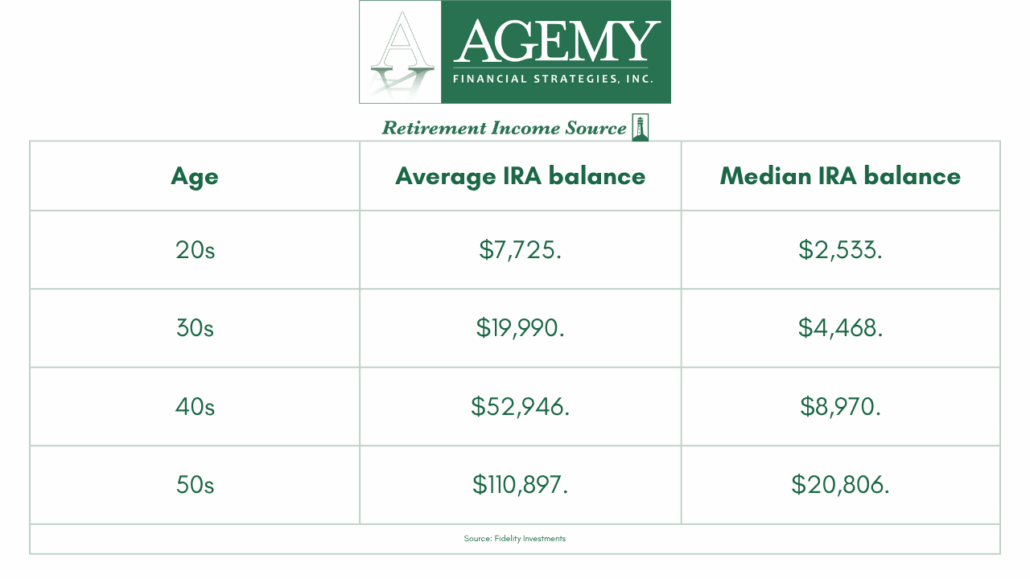
As of 2023, there has been an 11.1% uptick in the number of Americans choosing to open IRA accounts. This surge is reflected in the table below, which shows a total of 13.1 million IRA accounts currently active.

Fiduciary advisor near me

However, SDIRAs open the door to a wider range of assets. With an SDIRA, you can invest in precious metals, commodities, private placements, real estate, and other unique options. This means that managing an SDIRA requires more effort and careful research from the account owner.

Understanding Taxes, Withdrawals and Contributions

Contributions to a self-directed IRA are limited to yearly amounts. In 2023, this amount is $6,500 for individuals under 50, and if you’re over 50, you can add an extra $1,000 as a catch-up contribution.

When you decide to start taking money out, you’ll have to pay regular income taxes unless you’re 59½ or older. If you withdraw any funds before hitting this age, there’s a 10% penalty, and you’ll still owe income tax on what you take out.

Once you reach 73, the IRS says you must begin withdrawing money. The amount you need to withdraw depends on your account balance and life expectancy, following their minimum requirements.

Benefits of Self-Directed IRAs for High Net Worth Retirees

It is common for most high-net-worth retirees to invest a notable portion of their wealth in traditional avenues. Self-Directed IRAs (SDIRAs) present a valuable opportunity to grow your investment portfolio. Here’s a look at some of the benefits SDIRAs can offer:

  • Diversification Opportunity: SDIRAs allow high-net-worth retirees to diversify their investment portfolios beyond traditional stocks and bonds, reducing overall risk exposure.
  • Tax Advantages: Contributions to a traditional SDIRA are usually tax-deductible, and investments grow tax-deferred until retirement withdrawals, benefiting high-net-worth individuals in higher tax brackets.
  • Personalized Investment Options: SDIRAs empower investors to make decisions based on their expertise and preferences, potentially leading to higher returns.

Now that we know about the benefits let’s look at some drawbacks.

Potential Drawbacks of Self-Directed IRAs

Managing SDIRAs can be more intricate than traditional retirement accounts, requiring a deeper understanding of investment options and compliance with IRS regulations. While SDIRAs offer many advantages, it’s important to be aware of their potential drawbacks:

  • Complexity: Managing a self-directed retirement account can be more complex than a traditional IRA. You must adhere to IRS rules and regulations, and certain investments may require additional paperwork and compliance measures.
  • Risk: With greater investment control comes greater responsibility. High net-worth retirees must carefully research and select investments, which can be riskier if not done wisely.
  • Fees: SDIRAs may have higher administrative fees than traditional IRAs, given the need for additional services like custodians or facilitators for certain asset types.

Working with a financial advisor can help you understand the advantages and drawbacks of SDIRAs. They can assist you in making informed decisions about your retirement savings strategy.

Is a Self-Directed IRA Right for You?

Determining whether a Self-Directed Individual Retirement Account (SDIRA) is the right choice for you involves considering various crucial factors. Firstly, your level of investment experience plays a pivotal role; if you possess knowledge in alternative investments like real estate or private equity, an SDIRA may align well with your expertise and interests.

Secondly, assessing your risk tolerance is vital, as self-directed investments carry potential risks that require careful management and due diligence. Lastly, consulting with a financial advisor to understand the tax implications of incorporating an SDIRA into your financial strategy is essential. They can help you learn about the potential tax benefits and associated consequences.

Working With a Financial Advisor

Navigating the complexities of retirement planning, especially with Self-Directed IRAs, can be challenging. Working with an experienced financial advisor becomes crucial to help you navigate this financial realm.

A financial advisor can help you review your investments while accounting for risk management tactics to help ensure they remain in sync with your financial situation. At Agemy Financial Strategies, our team of financial advisors is here to walk you through the process of achieving renewable wealth so that your money can work hard for you and you can reap the benefits of a comfortable retirement. Here are just some of the many ways we can help our clients:

By regularly reviewing and adjusting your plan, you can make informed decisions to help maximize your retirement savings and help ensure financial security for you and your loved ones.

Last Thoughts

Self-Directed IRAs offer a unique way to plan for retirement, especially for those nearing retirement. However, they require careful thought and more active management of your investments.

To see if an SDIRA fits your retirement goals and financial situation, it’s crucial to talk to a financial advisor. Making the right choice can set you up for a successful retirement that helps your finances for years to come.

Start your journey to financial success by scheduling your complimentary strategy session today.

Do you REALLY need Real Estate in your investment portfolio? If you do, what percentage of your portfolio should it cover? Let’s find out. 

Navigating investments at any stage in life can be complex, but the stakes become even higher as retirement approaches. During retirement, the main goal is to minimize risk, generate income, and protect your assets from inflation. So, is real estate a good option for retirement?

The answer is not a one-size-fits-all solution. It depends on various factors unique to your situation. In this blog, we will explore real estate investments for retirees and how you can make informed decisions that align with your goals and needs. Here’s what you should know.

What are Real Estate Investments? 

While many people own the home they live in, generally, that’s not considered a real estate investment. Adding real estate to your portfolio can add diversity and growth to your portfolio without adding significant risk (though, like with all investments, risk is always a factor to consider).

Real estate investments are either active or passive. Active ones, like house flipping or managing rentals, demand your time, effort, and often more money. They can earn more but come with higher risks. Passive ones, like investing in REITs or real estate funds, don’t need you to manage properties and are less hands-on with a smaller initial investment.

The Benefits of Real Estate Investments

Real estate has been a popular form of investment for decades. Whether buying, owning, or managing real estate properties, you can generate income, capital appreciation, or both. Unlike other investment options, real estate often provides a steady and predictable cash flow, making it an attractive choice for individuals searching for a stable income stream.

Even though mortgage rates nationwide have recently become more affordable, as of January 2023, home prices in the United States dropped for the seventh consecutive month. As a result, sellers are finding themselves in a situation where they are more willing to accommodate their buyers’ requests, which can lead to some excellent deals for buyers.

Looking back at historical trends, real estate has consistently demonstrated an inclination to increase in value over time. Although short-term fluctuations may occur, well-located properties tend to see their worth rise over the years, giving investors the opportunity for significant capital gains when they eventually decide to sell.

In addition to these benefits, real estate investments offer valuable tax advantages. These tax benefits can substantially reduce your overall tax liability, further enhancing the financial attractiveness of real estate investments. Now that we have explored the benefits of direct real estate investments, let’s dive into Real Estate Investment Trusts (REITs).

To sum up, the reasons why so many investors choose Real Estate in their portfolio include:

  • Steady cash flow. When you invest in places like homes or certain real estate groups, you get a regular paycheck from tenants.
  • Mixing it up. If you already have money in things like stocks or bonds, adding real estate is like adding a different flavor to your money mix. It doesn’t move in the same way as the others.
  • Tax perks. If you own a rental place, there are some cool tax benefits. For instance, the value drop of the house over time can reduce your tax bill. Some can even use losses from their property to lower their regular taxes.
  • It’s real and useful. Unlike some investments that are just numbers on a screen, real estate is a real thing. Even if its price goes down, someone can still live in it and pay rent.

Consider Real Estate Investment Trusts (REITs) for Your Portfolio

Real estate investment trusts (REITs) offer a unique way for investors to join forces and invest in properties collectively. Think of it as a mutual fund, but it focuses on real estate instead of stocks.

For seasoned investors, REITs can be a valuable addition to their portfolio. However, if you’re starting your investment journey, it’s prudent to concentrate on wealth accumulation before diving into REITs. While dependable REITs are in the market, others rely heavily on debt to acquire properties, elevating the investment risk.

Before venturing into REITs, it’s essential to consult with an investment professional, like a Fiduciary Advisor. They can help you evaluate potential risks and ascertain whether REITs align with your financial objectives and overall investment strategy.

Understanding Risks in Real Estate

While real estate investments offer numerous advantages, they have their fair share of risks and challenges. Here are some key considerations:

  • Market Volatility: The real estate market can be quite unpredictable, with property values susceptible to fluctuations influenced by economic conditions, interest rate changes, and other external factors.
  • Property Vulnerability: Properties can be vulnerable to various threats, including damage or devaluation caused by natural disasters or environmental factors. This risk becomes more pronounced as extreme weather patterns become increasingly common.
  • Financial Hurdles: Real estate investments often require a substantial amount of capital. Investors may encounter difficulties when seeking financing or to manage the debt associated with their investments.
  • Ongoing Management: Successful real estate investments demand ongoing management and maintenance. Investors might encounter challenges finding reliable tenants, efficiently overseeing their properties, and addressing unforeseen expenses.

By understanding these potential risks and preparing accordingly, investors can make more informed decisions and develop strategies to mitigate these challenges, ultimately optimizing the benefits of their real estate investments.

Real Estate in Connecticut

Connecticut boasts a unique blend of natural beauty, a rich history, and a proximity to major cities like New York City and Boston. These factors contribute to a real estate market that has proven to be a stable and potentially lucrative investment opportunity.

Here are some reasons why investing in Connecticut real estate during retirement makes sense:

  • Property Appreciation: Over the years, Connecticut has witnessed steady property appreciation. The number of listings increased by 116.1% in April 2023. From 1,759 in December 2022. This means that the value of your real estate investment is likely to increase over time, providing a source of potential capital appreciation.
  • Stable Rental Market: Connecticut has a strong rental market, making it an ideal place to invest in income-producing properties. Rental income can be a reliable source of passive income in retirement.
  • Diverse Investment Options: Connecticut offers a range of real estate investment opportunities, from residential properties to commercial real estate and vacation rentals. This diversity allows you to tailor your investments to your financial goals and risk tolerance.
  • Tax Benefits: Connecticut offers various tax incentives and deductions for real estate investors, making it more appealing for retirees looking to minimize their tax burden.

Real Estate in Colorado

With our sister office located in Denver, Colorado, we have the inside knowledge and advice if you are considering adding Colorado Real Estate into your portfolio.

  • Scenic Diversity: Colorado’s real estate market offers a stunning array of landscapes, from the bustling cityscapes of Denver to the serene beauty of the Rocky Mountains. Buyers can choose from urban, suburban, or rural settings, catering to various lifestyle preferences.
  • Strong Appreciation: Colorado has experienced consistent real estate appreciation over the years, making it an appealing option for investment. In April 2023, the median sale price dropped by 5.2% compared to the previous year, and there was a 26.6% decrease in the number of homes sold. However, there is a silver lining as new buyers enter the market, thanks to more stable mortgage rates, which currently stand at 6.79%.
  • Tax Benefits: Colorado offers property tax deductions for homeowners, helping to reduce the annual tax burden on real estate for seniors 65 or older who have lived in their homes for at least ten consecutive years. This exemption allows eligible seniors to exempt 50% of the first $200,000 of their property’s value from taxation.
  • Agricultural Land Deductions: If you are a landowner with agricultural property, you could be eligible for agricultural land deductions. These deductions could help reduce property tax assessments for qualifying agricultural properties. The deductions amount to 20% of the resulting lease payments, with a cap of up to $25,000 per year, and can be claimed for a maximum of three years.

The Role of a Fiduciary Advisor

Investing in real estate during retirement can pose complexities, especially for those managing significant portfolios. If you’re seeking a Connecticut-based or Colorado-based Fiduciary Advisor with extensive experience in real estate investments, Agemy Financial Strategies is here to help.

Fiduciary Advisors are legally obligated to prioritize your best interests, delivering impartial advice and recommendations aligned with your financial goals. Our seasoned professionals can help you identify opportunities and make well-informed decisions tailored to your unique needs and objectives.

Our advisors are adept at seamlessly integrating your real estate investments into your comprehensive retirement portfolio, helping to ensure it remains balanced and diversified. To explore our full service offerings, see here.

Final Thoughts

Investors should stay informed about changes in the real estate market and be prepared to adjust their investment strategy accordingly. Partnering with a Fiduciary advisor can help you mitigate risks and take advantage of upcoming opportunities. At Agemy Financial Strategies, you can rest assured knowing you are working with professionals who have your best interests at heart. Our Fiduciaries are here to help you make informed decisions and enjoy a financially secure retirement.

Ready to see if real estate investments are right for you? If you’re ready to start the conversation, contact us today to schedule your complimentary consultation.


Disclaimer: This content is for educational purposes only and should not be considered financial or investment advice. Please consult with the fiduciary advisors at Agemy Financial Strategies before making any investment decisions.

If you’re approaching retirement, you might be familiar with Required Minimum Distributions (RMDs). However, the rules surrounding RMDs are changing, and without proper planning, you could risk IRS-enforced collections. Here’s what you need to know. 

The SECURE 2.0 Act of 2022, enacted Dec. 29, includes almost 100 new retirement plan provisions, many of which aren’t effective yet. But some big changes involving required minimum distributions and related penalty relief are already in effect

Before we delve into the 3-year statute of limitations, let’s briefly recap what RMDs are and why they matter.

What are RMDs?

required minimum distribution (RMD) is the amount of money that must be withdrawn from employer-sponsored retirement plans by owners and qualified retirement plan participants of retirement age.

In 2023, the age at which you must begin taking RMDs changed to 73 years. Account holders must, therefore, start withdrawing from a retirement account by April 1, following the year they reach age 73. The exact age may vary depending on your retirement plan and when you were born.

The IRS uses a specific formula to calculate your RMD, considering your account balance and factors related to life expectancy. In 2023, the RMD table is based on the IRS’s widely-used Uniform Lifetime Table. It’s worth noting that the IRS has additional tables for account holders and beneficiaries whose spouses are considerably younger.

SECURE 2.0 Shakes Things Up for RMDs

The Securing a Strong Retirement Act of 2022, known as SECURE 2.0 Act, made some changes to the rules about when and how people need to take out money from their retirement plans to avoid being hit with extra taxes.

These changes were designed to make things easier for retirees by giving them more time to file, removing certain requirements, and lowering penalties if they make a mistake. Some of these updates are already in place, and others will start in the coming years, with the last ones kicking in by 2033. The main changes to RMDs include:

1. Changes to the Participant’s RMD Age (Effective in 2023)

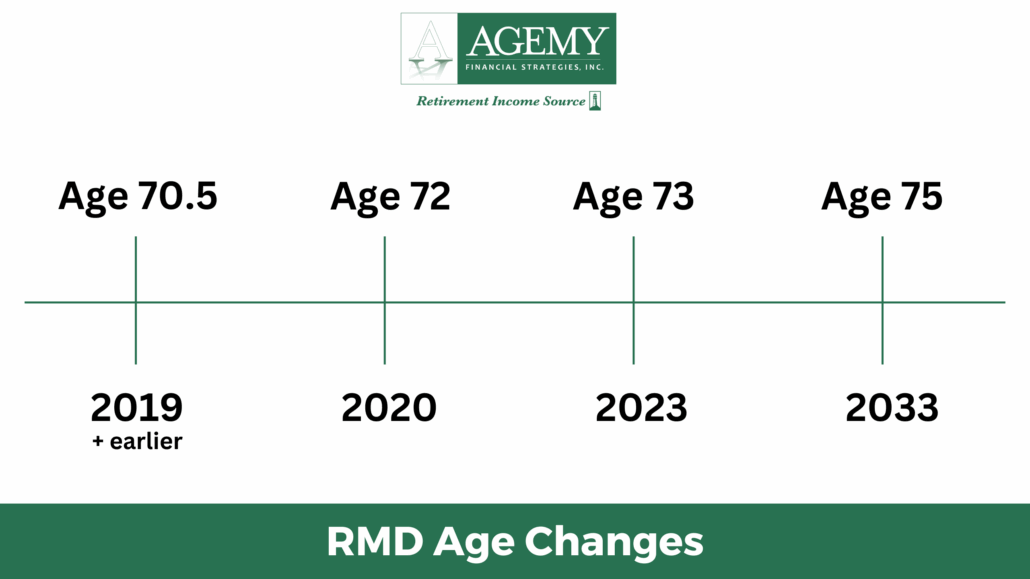
Under the SECURE Act of 2019, the RMD age for a terminated participant increased from 70½ to 72 effective in 2020. SECURE 2.0 again changes the RMD age to 73 in 2023, and ultimately to age 75. The chart below highlights the changes to the RMD age at relevant points in time.

Required Minimum Distributions (RMDs)

2. No RMDs Required from Roth Accounts (Effective in 2024)

For 2024 and later years, RMDs are no longer required from designated Roth accounts. You must still take RMDs from designated Roth accounts for 2023, including those with a required beginning date of April 1, 2024. You can withdraw more than the minimum required amount.

3. Removing RMD Barriers to Life Annuities

The rules for Required Minimum Distributions are designed to prevent individuals from deferring taxes for too long, and one way they achieve this is by limiting annuity contracts from providing small initial payments that grow excessively over time. However, in practice, these rules can sometimes restrict even minor increases in benefits. But now, Congress is working to make annuity contracts in defined contribution plans more appealing.

Section 201 of the Act allows commercial annuities purchased under 401(k) and other defined contribution plans, as well as IRAs, to offer the following:

  1. Increases in payments of up to 5% per year.
  2. The option to receive certain lump sums that replace future distribution payments.
  3. The ability to accelerate up to 12 months’ worth of payments.
  4. Reasonable dividend payments.
  5. Death benefits that are equal to the cost of the annuity, reduced by previous payments.

4. Reduction in Excise Tax for RMD Errors

Despite regularly appearing on the list of priorities for tax-exempt and government entities’ compliance, it’s not unusual for people to make mistakes when it comes to Required Minimum Distributions (RMDs).

Up to now, one of the largest penalties in the Tax Code was the 50% penalty for not taking an RMD. It was based on the RMD amount that should have been taken but wasn’t.

SECURE 2.0 lowers this penalty to 25%, and then to 10% if the missed RMD is timely made up.

What is the Statue of Limitations?

The statute of limitations is the time limit for the IRS to file charges or collect back taxes. In general, a statute of limitations is a law (statute) that limits how far back you can go when assessing a penalty, charging someone with a crime, or taking other actions. There are different statutes of limitations for different types of tax issues.

RMDs and the 3-Year Statute of Limitations

There is now a three-year statute of limitations associated with the failure to take a required minimum distribution (RMD) from a retirement account. Overlooked when the SECURE Act 2.0 was enacted was Section 313 of the Act, which added a 3-year statute of limitation for the failure to take an RMD. If an RMD is missed, the 25% penalty is only applicable for the next three years. So what happens after those three years have passed?

The statutes of limitations not only limits the IRS in assessing additional tax on returns filed, but it also limits the amount of time you have to claim a refund or credit due. If the three-year deadline for filing has passed, the IRS, by law, cannot issue your refund.

IRS Form 5329 is a tax form used for reporting retirement plan penalties and requesting a waiver of the RMD penalty. As mentioned above, in the past, not filling out this form for penalty relief meant that the three-year statute of limitations wouldn’t start, resulting in a hefty 50% excise tax. However, thanks to the SECURE 2.0 Act, this tax has been reduced to 25%, and it could drop to 10% if you take action to withdraw the missed RMD within two years.

To solve this problem, the SECURE 2.0 Act introduced a statute of limitations tied to when individual files their federal income tax return, Form 1040. If no federal income tax return is required, the statute period begins on what would have been the tax filing deadline. This new statute of limitations covers missed RMDs for three years and excess IRA contributions for six years but doesn’t apply to early distributions.

Form 5329 left the statute of limitations open indefinitely, allowing penalties and interest to accumulate unnoticed. A positive outcome happened once Congress addressed the issue. However, even with these changes, there are still exceptions retirees should make note of.

Exceptions to the Rule

While the 3-year statute of limitations relieves many retirees, it’s essential to be aware of exceptions. Not all missed RMDs qualify for this extended correction period. Here are some important exceptions:

  1. Extended Statute for Excess IRA Contributions: The SECURE 2.0 Act extends the statute of limitations to 6 years for the 6% excess IRA contribution penalty. However, this relief is unavailable if an IRA has acquired property below its fair market value, and the statute of limitations remains indefinite if Form 5329 isn’t filed.
  2. Expansion of IRS Self-Correction Program: SECURE 2.0 broadens the IRS self-correction program, known as the Employee Plans Compliance Resolution System (EPCRS), to include inadvertent individual retirement account errors, including a waiver for failure to take RMDs. Note that self-correction for IRAs under EPCRS may not be available for two years, as SECURE 2.0 grants the IRS that timeframe to guide this matter.
  3. Elimination of RMDs for Roth 401(k)s: SECURE 2.0 brings welcome relief by eliminating required minimum distributions (RMDs) for Roth 401(k)s and other employer Roth plans. While Roth IRAs were never subject to lifetime RMDs, Roth 401(k)s were. Starting in 2024, individuals will not need to roll over Roth 401(k) funds to a Roth IRA to avoid RMDs, as these funds will be exempt from RMDs.

Working With a Fiduciary Advisor

It’s important to understand how the recent law changes affect your IRA. One of the more relevant topics IRA owners should be aware of is a Required Minimum Distribution (RMD). Partnering with a trusted Fiduciary Advisor can play a crucial role in helping you manage your RMDs effectively so you meet your legal obligations while optimizing your financial situation. They can also offer tailored guidance to help maximize your retirement savings while following IRS rules.

You don’t have to battle the confusing regulations for certain required minimum distributions alone. From advice on understanding your specific RMD obligations, to helping you explore tax-efficient ways to manage your RMDs, Agemy Financial Strategies works alongside you to assess your retirement income needs and create a plan for your unique needs and goals.

Final Thoughts

This 3-year statute of limitations provision is yet one more reason why we anxiously await proposed Regulations from the IRS with respect to how the SECURE Act 2.0 will be interpreted. There are several other provisions in the Act that need a lot of clarification. A solid understanding of Required Minimum Distributions is essential for anyone with tax-advantaged retirement accounts. Failing to comply with RMD rules can result in costly penalties, potentially derailing your retirement plans.

By staying informed about when RMDs apply, how they’re calculated, and your options for managing them, you can confidently navigate this aspect of retirement planning. If you’re ready to take the first step to achieving your retirement goals, our team is here to assist you. The better you comprehend your financial strategy, the more effectively you can manage your finances.

For a detailed list of our service offerings, see here.

Set up your complimentary retirement strategy session today.


Disclaimer: This content is for educational purposes only and should not be considered financial or investment advice. Please consult with the fiduciary advisors at Agemy Financial Strategies before making any investment decisions.

September was a rocky month for the stock market and may have offered a stark preview of what the final weeks leading up to the presidential election will be like for Wall Street. Towards the end of the month, both the Dow Jones Industrial Average and the S&P 500 were flirting with correction territory, which officially means a 10% decline from their peak highs.* Meanwhile the Nasdaq was down by more than 10%, as the tech rally that has helped buoy the index and the markets in general throughout the Covid-19 crisis ended. With one of the most contentious elections in American history now just weeks away, and the coronavirus still pummeling parts of the economy, a nervous, mostly down-trending market may very well be the norm right up to November 3rd, and possibly beyond that.

In truth, what we saw in September was typical from a historical perspective. The two months before a presidential election are almost always a volatile period for the markets for two reasons. One is simply uncertainty over the election’s outcome, and that’s obviously a big factor where this race is concerned. Most polls continue to show Joe Biden leading among voters, and Wall Street knows a Biden victory would likely mean a rollback or amendment of the Trump administration’s corporate tax cuts. That, of course,

could further undercut economic growth at a time when it’s already shrunk massively due to the pandemic. On the other hand, there is plenty of debate as to whether a Trump victory would automatically be better for the economy and trigger a new market rally—particularly in light of the pandemic.

The other issue that typically makes big investors nervous just before an election is the legislative inertia that occurs. Politicians are too focused on politics to get anything done, and that’s a major concern this year since the House and Senate have yet to agree upon a follow-up to the Coronavirus Aid, Relief and Economic Security (CARES) Act approved in March.** This is true despite the fact that lawmakers and economists almost universally agree that additional relief measures are needed, especially with all the uncertainty still surrounding the pandemic as we head into fall.

Autumn’s Unknowns

As I’m sure you’re aware, the U.S. surpassed 200,000 deaths linked to Covid-19 in September, the most of any nation in the world.*** Meanwhile, infection rates began spiking again across much of Europe, and in parts of America as schools reopened. Will that trend continue as autumn deepens? It’s possible, and the economic impacts could ramp up again too as outdoor seating options that have allowed many restaurants and other businesses to hang on during the summer months disappear in colder parts of the country. The dining industry has already been hit extremely hard by the pandemic. According to an economic impact analysis by Yelp, over 50% of its restaurants had already closed permanently by early summer, and the number has likely increased since.****

Even if no major resurgence in infections does occur this fall, the economic fallout of the coronavirus crisis seems likely to drag on for other reasons. Those include the psychological impact of the pandemic, and the comfort level most consumers have attained with alternative forms of shopping and recreation. Already, major chains have announced they will not host traditional in-store “Black Friday” sales this year, and for the first time ever, the Macy’s Thanksgiving Day Parade will be an entirely virtual event!

So far, the massive shift to things like e-commerce, videoconferencing, and virtual entertainment has managed to offset the impact of business closures and social distancing rules and helped limit some of the economic damage from Covid-19. However, the longer-term repercussions of this shift have probably yet to be felt as they relate to things like jobs, bottom-line corporate growth, and overall economic stability. Big investors know this, and it’s another reason they’re likely to keep “one finger on the trigger” in the last quarter of the year, ready to pull out if nervousness gives way to fear and triggers another major market downturn.

Uncommon and Unprecedented

While a nervous market in the months before an election is historically common, there also some things about our current situation that make it very uncommon—namely the pandemic and the highly divisive political climate surrounding this election. So far Wall Street has shown amazing resilience in the face of these issues, but that’s due largely to another factor that isn’t merely uncommon but entirely unprecedented. That is the massive amount of artificial stimulus the Federal Reserve has pumped into the economy since the Financial Crisis 10 years ago— which has become even more massive as a result of the pandemic.*****

Will the Fed’s “steroids” continue to pump up Wall Street and stave off another major correction even if coronavirus cases see another major spike this fall? Or even if another relief and stimulus package is not approved? Or even if there is a lengthy legal and congressional battle over the results of the election that prolongs legislative inertia and keeps Washington stuck in the muck like a stalled Jeep?

The bottom line is that these are all important questions to consider as you review your financial strategy this fall. Are you playing smart and sufficient financial defense at this crucial time? Are you well-positioned to take advantage of new opportunities that may emerge one day when the markets and economy are more stable again? Because, rest assured, that day will come!

*Marketwatch.com **“Virus Bill Blocked in Senate as Prospects Dim for New Relief,” AP, Sept. 10, 2020 ***“Unfathomable US Death Toll from Coronavirus Hits 200K,” AP, Sept. 22, 2020 ****“Yelp Finds 53% of Restaurants Have Permanently Closed,” Eater.com, June 26, 2020 *****“Stock Markets Have Now Seen the Peak of Fed Stimulus,” MarketWatch, Sept. 17, 2020