Posts

The SECURE Act 2.0, enacted in late 2022, changed over 90 rules about IRAs and other qualified retirement plans, including RMDs. Here’s what you need to know about upcoming changes in 2024.

Required Minimum Distribution (RMD) represents the mandatory amount that must be withdrawn from various retirement accounts, including employer-sponsored retirement plans, traditional IRAs, SEPs, or SIMPLE IRAs, by their owners and qualified retirement plan participants once they reach retirement age.

Each account has its RMD calculation, and the distribution must be taken from the respective account unless specific exceptions apply. There’s still time to take your RMD from your retirement accounts (excluding Roth IRAs) before the year’s end—but time is of the essence. Here’s what you need to know for 2024.

Understanding SECURE Act 2.0 Changes

The SECURE 2.0 Act, officially named the Securing a Strong Retirement Act of 2022, ushered in a wave of modifications to the regulations governing when and how individuals must withdraw funds from their retirement accounts to avoid incurring additional taxes and penalties. These alterations were crafted to simplify the retirement landscape for individuals by extending deadlines, eliminating certain requirements, and reducing penalties for errors.

Some of these changes have already taken effect, while others are slated to roll out in the coming years, with the final adjustments set to be fully implemented by 2033. The primary modifications to the Required Minimum Distributions (RMDs) encompass adjustments to the RMD age, exemption of RMDs for Roth accounts, the removal of RMD obstacles for life annuities, and a reduction in excise tax penalties for RMD errors, along with the introduction of a 3-year statute of limitations. Let’s delve into these details and understand what they mean for 2024.

When Do I Need to Take My RMD?

RMDs are mandatory withdrawals from certain tax-advantaged retirement accounts. The first time you take an RMD, you’ll have until April 1 of the year following the year you turn 72 (or age 73 if you turn 72 in 2023 or later) to do so. The IRS sets this age threshold to confirm that retirees begin drawing down their retirement savings and paying taxes on the deferred income.

The deadline for taking your RMD each year is December 31st. Failing to withdraw the required amount by this date can result in steep penalties—a 25% excise tax on the amount you should have withdrawn. If the RMD is missed, you must fill out IRS Form 5329. See Part IX of this form for the section regarding the additional tax on excess contributions.

Which Accounts Require Distributions?

RMDs are primarily associated with traditional Individual Retirement Accounts (IRAs) and employer-sponsored retirement plans such as 401(k)s and 403(b)s. Roth IRAs do not require RMDs during the account owner’s lifetime; they are funded with after-tax dollars. However, beneficiaries of Roth IRAs may have RMD obligations.

You must calculate the RMD for each account separately if you own multiple traditional IRAs. However, you can aggregate the total RMD amount and withdraw it from one or more of your IRAs. This flexibility allows you to choose which account(s) to withdraw from as long as you satisfy the total RMD requirement.

You can use the IRS’s Uniform Lifetime Table to determine the amount you need to withdraw. The RMD amount is calculated based on your account balance and life expectancy to deplete the account over your expected lifetime. If you haven’t yet done so, estimate your personal RMD withdrawals with our free online RMD Calculator here.

What Is The 3-Year Statute Of Limitations?

A statute of limitations is a time frame within which the IRS can take legal action or collect unpaid taxes. It’s a legal restriction that dictates how far back the IRS can reach when assessing penalties, pursuing criminal charges, or initiating other actions related to tax matters. Tax issues have different statutes of limitations, each with specific rules and considerations.

Previously, Form 5329 left the statute of limitations open-ended, allowing penalties and interest to accumulate without a defined limit. Fortunately, Congress addressed this issue, but it’s important to note that there are still some exceptions that retirees should be aware of.

  1. Extended Statute for Excess IRA Contributions: The SECURE 2.0 Act extends the statute of limitations to 6 years for the 6% excess IRA contribution penalty. However, this relief is unavailable if an IRA has acquired property below its fair market value, and the statute of limitations remains indefinite if Form 5329 isn’t filed.
  2. Expansion of IRS Self-Correction Program: SECURE 2.0 broadens the IRS self-correction program, known as the Employee Plans Compliance Resolution System (EPCRS), to include individual retirement account errors, including a waiver for failure to take RMDs. Note that self-correction for IRAs under EPCRS may be available for only a few years, as SECURE 2.0 grants the IRS that timeframe to guide this matter.
  3. Elimination of RMDs for Roth 401(k)s: SECURE 2.0 brings welcome relief by eliminating required minimum distributions (RMDs) for Roth 401(k)s and other employer Roth plans. While Roth IRAs were never subject to lifetime RMDs, Roth 401(k)s were. Starting in 2024, individuals will not need to roll over Roth 401(k) funds to a Roth IRA to avoid RMDs, as these funds will be exempt from RMDs.

Working With a Fiduciary Advisor

Understanding how recent changes impact your IRA is crucial in the ever-evolving landscape of retirement laws. Among the essential topics for IRA owners to grasp is the concept of RMDs. Working with a trusted fiduciary advisor can be a game-changer in effectively managing – and understanding – your RMDs. They can help you fulfill your legal obligations and provide personalized guidance to optimize your financial situation within the bounds of IRS regulations.

You don’t have to tackle the complexities of required minimum distributions alone. At Agemy Financial Strategies, we are here to offer in-depth insights into your specific RMD responsibilities and explore tax-efficient strategies for RMD management. We work with you to assess your retirement income needs and craft a tailored plan aligned with your unique financial goals. Please refer to our service offerings page for a comprehensive list of our services.

Final Thoughts

By staying informed about when RMDs apply, how they’re calculated, and your options for managing them, you can confidently navigate this aspect of retirement planning with confidence. If you’re ready to take the first step to achieving your retirement goals, our team is here to assist you. The better you comprehend your financial strategy, the more effectively you can manage your finances for generations to come!

Set up your complimentary retirement strategy session today. We look forward to helping you on your road to retirement and beyond.


Disclaimer: This content is for educational purposes only and should not be considered financial or investment advice. Please consult with the fiduciary advisors at Agemy Financial Strategies before making any investment decisions.

Significant changes to IRAs and 401(k)s in 2025 bring new opportunities to save for retirement, but staying informed is essential to making the most of them. 

These updates, driven by the SECURE 2.0 Act and other recent legislative measures, are designed to boost savings potential and streamline retirement planning for millions of Americans. Here’s an in-depth look at the major changes to retirement accounts in 2025, how they may affect your financial strategy, and what steps you can take to help optimize your retirement plan.

1. Increased Catch-Up Contribution Limits 

If you’re 50 or older, you’re likely familiar with catch-up contributions—additional amounts you can contribute to your retirement accounts to accelerate your savings. For 2025, these limits will increase significantly for eligible savers:

401(k) Plans:

  • The total contribution limit for taxpayers 50 and older will be $31,000, which includes a $23,500 base contribution limit and a $7,500 catch-up contribution—unchanged from 2024.
  • For those aged 60 to 63, catch-up contributions will rise to $11,250up from $7,500 in 2024. This means that, including the increased catch-up allowance, total contributions for this group can reach $34,750, including the increased catch-up allowance.
  • These changes reflect a new rule allowing individuals aged 60 to 63 to contribute over $10,000 or 150% of the 2024 catch-up limit, adjusted for inflation.

IRAs:

  • Similarly, the IRA catch-up contribution limit, currently $1,000, will be indexed to inflation. This adjustment helps ensure the contribution amount keeps pace with rising costs.

The increased contribution limits for 401(k)s and IRAs allow individuals to save more money for retirement. This is especially beneficial for those nearing retirement age who may have a shorter timeline to accumulate wealth.

2. SIMPLE IRAs & Catch-Up Contributions 

For 2025, the base contribution limit increases slightly to $16,500, while the catch-up limit for those aged 50 and older remains unchanged at $3,500. However, a significant enhancement is coming for participants aged 60 to 63. This group’s catch-up contribution limit will increase to $5,000 or 150% of the standard age 50 catch-up contribution limit, adjusted for inflation.

In 2025, Individuals in this age range can contribute $5,250 more to their SIMPLE IRAs, providing a valuable opportunity to accelerate their retirement savings. For 2026, these limits will be adjusted annually for inflation, helping ensure contributions keep pace with rising costs.

These changes make SIMPLE IRAs a more powerful tool for retirement planning, particularly for those nearing retirement. Working alongside a trusted fiduciary advisor can help you navigate the complexities of Roth catch-up contributions and conversions.

3. Automatic Enrollment & Escalation in Employer Plans

To encourage more Americans to participate in workplace retirement plans, automatic enrollment and escalation features will become mandatory for most new 401(k) and 403(b) plans. Here’s how it works:

  • Automatic Enrollment: Employees are automatically enrolled in their company’s retirement plan. However, automatic enrollment does not mean mandatory participation. Employees can change the rate or opt out by electing a zero percent (0%) contribution rate.
  • Automatic Escalation: The initial escalation contribution amount must be at least 3% but no more than 10%. Each year thereafter, that amount is increased by 1 percent until it reaches at least 10%, but no more than 15%.

These features aim to help make retirement saving easier and more consistent, particularly for younger employees who may otherwise delay starting their retirement journey.

4. New 10-Year Rule For Inherited IRAs 

If you inherited an IRA from someone who passed away on or after January 1, 2020, the IRS now requires you to withdraw all funds from the account by December 31st of the tenth full calendar year after the original account holder’s death. This rule replaces the traditional “stretch IRA” strategy, which previously allowed beneficiaries to extend withdrawals—and tax-deferred growth—over their lifetimes.

While the 10-year withdrawal rule applies to most beneficiaries, certain individuals can still utilize the stretch IRA provisions. These include:

  • Surviving spouses.
  • Children under the age of 21 (withdrawals must begin once they reach 21).
  • Beneficiaries no more than 10 years younger than the decedent.
  • Individuals who are disabled or chronically ill.

For these exceptions, beneficiaries may withdraw funds over their lifetimes, starting the year after the decedent’s death. Surviving spouses also have the option to roll the inherited IRA into their own IRA, deferring required withdrawals until they reach their own “required beginning date” (RBD).

5. Inherited IRA RMD Penalties

The IRS has delayed implementing the final rules for required minimum distributions (RMDs) from inherited IRAs until 2025. During this transitional period, beneficiaries who did not take RMDs from their inherited IRAs between 2021 and 2024 have been granted relief from penalties.

However, starting in 2025, a 25% penalty will apply to those who fail to take their required RMD. Staying informed and proactive is essential to avoid penalties and help ensure compliance with the updated rules. Working with a fiduciary can help you navigate new RMD laws and help ensure you’re on the right track to avoid penalties.

6. New Retirement Savings “Lost and Found”

With Americans holding many jobs over their lifetime, it’s not uncommon to lose track of retirement accounts from former employers. Currently, 29.2 million forgotten 401(k) accounts hold an estimated $1.65 trillion in assets.

To address this, the SECURE 2.0 Act established the Retirement Savings Lost and Found database, managed by the Department of Labor. This tool helps individuals locate lost retirement accounts using data submitted by plan administrators and uploaded by the Employee Benefits Security Administration (EBSA). To use the database, you’ll need a Login.gov account. Setup requires:

  • Legal name
  • Date of birth
  • Social Security number
  • A mobile device
  • Driver’s license photos (front and back)

How an Advisor Can Help Optimize Your Retirement Plan

At Agemy Financial Strategies, our fiduciary advisors are dedicated to providing guidance that aligns with your best interests. Taking a holistic approach, we carefully analyze every aspect of your financial situation to help you achieve your envisioned retirement. Here’s how we can support you:

  1. Maximize Contributions: We’ll help you take full advantage of the increased contribution limits for 2025 and guide you in prioritizing the maximum catch-up amount to your 401(k), helping ensure you make the most of this critical savings opportunity.
  2. Evaluate Roth Options: If you’re a high earner, we can help you assess how Roth catch-up contributions fit into your tax strategy. Our advisors will evaluate the benefits of paying taxes now for tax-free withdrawals later, helping you make informed decisions.
  3. Reassess Retirement Goals: With automatic escalation features becoming more common, our team will work with you to regularly review your contribution percentages. This will help your savings strategy align with your goals and financial situation.
  4. Plan for Inflation: We’ll help you factor inflation adjustments into your long-term savings plan. Staying proactive can help preserve your purchasing power and maintain financial stability throughout retirement.

Final Thoughts

Understanding the changes to retirement accounts in 2025 is critical for making informed decisions about your financial future. These updates present new opportunities to save, invest, and grow your wealth but also require thoughtful planning. At Agemy Financial Strategies, we’re here to help you confidently navigate these changes and create a strategy tailored to your unique financial goals.

Contact us today to learn how we can help you secure a prosperous retirement.


Frequently Asked Questions (FAQs)

1. How do I know if I’m eligible for increased catch-up contributions?

To qualify for the higher catch-up contributions, participants must meet specific criteria: they must be aged 60 to 63 in December of that calendar year. These Individuals can utilize the enhanced catch-up contribution limits. Verifying your eligibility with your retirement plan provider is important, as different providers may have different rules.

2. What happens if I don’t want to participate in automatic enrollment?

Employees can opt out of automatic enrollment or adjust their contribution rate anytime.

3. Are Roth contributions better than traditional pre-tax contributions?

This depends on your current income, tax bracket, and retirement goals. Roth contributions can be advantageous if you anticipate being in a higher tax bracket in retirement.

4. How does inflation affect IRA contribution limits?

For 2025, IRA catch-up contributions will be indexed to inflation, helping savers to contribute more as the cost of living rises.

5. Can part-time workers participate in any retirement plan?

Eligibility varies by employer. However, the SECURE 2.0 Act helps ensure that part-time employees who work at least 500 hours per year for two consecutive years participate in their company’s 401(k) plan. This expands access to retirement savings for long-term part-time workers, even if eligibility may differ based on individual company policies.


Disclaimer: This blog is for informational purposes only and should not be considered financial, legal, or tax advice. Always consult the qualified fiduciary advisors at Agemy Financial Strategies to help determine how these changes apply to your circumstances.

IRAs are a great way to invest for your retirement years. But if you want to invest in assets like precious metals, real estate and crypto, certain assets are off-limits. That’s where opening a self-directed IRA comes into play. 

If you’re approaching retirement, you’re likely exploring avenues to fine-tune your financial strategy. One option worth considering is the Self-Directed Individual Retirement Account (SDIRA). While traditional IRAs and 401(k)s certainly have their benefits, SDIRAs present distinct advantages for retirees with substantial wealth.

In this blog post, we will delve into the world of SDIRAs, examining their benefits, potential drawbacks, and whether they align with your needs in retirement. Here’s what you need to know.

What is a Self-Directed IRA?

A Self-Directed Individual Retirement Account (SDIRA) is a retirement savings account that gives you greater control over your investments than traditional IRAs. The main difference between an SDIRA and other IRAs is the types of investments allowed. Regular IRAs limit you to common investments like stocks, bonds, CDs, and mutual funds.

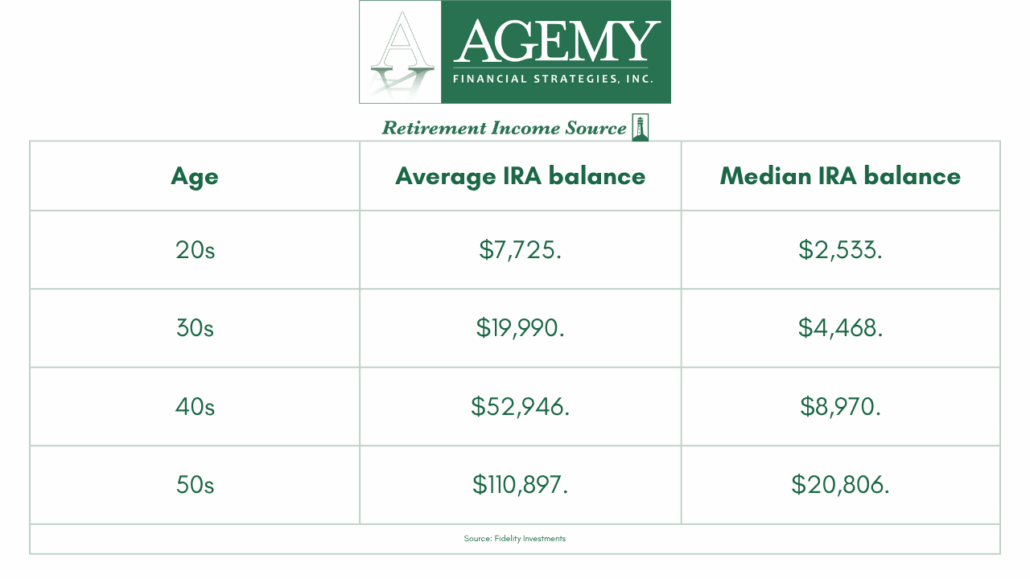
As of 2023, there has been an 11.1% uptick in the number of Americans choosing to open IRA accounts. This surge is reflected in the table below, which shows a total of 13.1 million IRA accounts currently active.

Fiduciary advisor near me

However, SDIRAs open the door to a wider range of assets. With an SDIRA, you can invest in precious metals, commodities, private placements, real estate, and other unique options. This means that managing an SDIRA requires more effort and careful research from the account owner.

Understanding Taxes, Withdrawals and Contributions

Contributions to a self-directed IRA are limited to yearly amounts. In 2023, this amount is $6,500 for individuals under 50, and if you’re over 50, you can add an extra $1,000 as a catch-up contribution.

When you decide to start taking money out, you’ll have to pay regular income taxes unless you’re 59½ or older. If you withdraw any funds before hitting this age, there’s a 10% penalty, and you’ll still owe income tax on what you take out.

Once you reach 73, the IRS says you must begin withdrawing money. The amount you need to withdraw depends on your account balance and life expectancy, following their minimum requirements.

Benefits of Self-Directed IRAs for High Net Worth Retirees

It is common for most high-net-worth retirees to invest a notable portion of their wealth in traditional avenues. Self-Directed IRAs (SDIRAs) present a valuable opportunity to grow your investment portfolio. Here’s a look at some of the benefits SDIRAs can offer:

  • Diversification Opportunity: SDIRAs allow high-net-worth retirees to diversify their investment portfolios beyond traditional stocks and bonds, reducing overall risk exposure.
  • Tax Advantages: Contributions to a traditional SDIRA are usually tax-deductible, and investments grow tax-deferred until retirement withdrawals, benefiting high-net-worth individuals in higher tax brackets.
  • Personalized Investment Options: SDIRAs empower investors to make decisions based on their expertise and preferences, potentially leading to higher returns.

Now that we know about the benefits let’s look at some drawbacks.

Potential Drawbacks of Self-Directed IRAs

Managing SDIRAs can be more intricate than traditional retirement accounts, requiring a deeper understanding of investment options and compliance with IRS regulations. While SDIRAs offer many advantages, it’s important to be aware of their potential drawbacks:

  • Complexity: Managing a self-directed retirement account can be more complex than a traditional IRA. You must adhere to IRS rules and regulations, and certain investments may require additional paperwork and compliance measures.
  • Risk: With greater investment control comes greater responsibility. High net-worth retirees must carefully research and select investments, which can be riskier if not done wisely.
  • Fees: SDIRAs may have higher administrative fees than traditional IRAs, given the need for additional services like custodians or facilitators for certain asset types.

Working with a financial advisor can help you understand the advantages and drawbacks of SDIRAs. They can assist you in making informed decisions about your retirement savings strategy.

Is a Self-Directed IRA Right for You?

Determining whether a Self-Directed Individual Retirement Account (SDIRA) is the right choice for you involves considering various crucial factors. Firstly, your level of investment experience plays a pivotal role; if you possess knowledge in alternative investments like real estate or private equity, an SDIRA may align well with your expertise and interests.

Secondly, assessing your risk tolerance is vital, as self-directed investments carry potential risks that require careful management and due diligence. Lastly, consulting with a financial advisor to understand the tax implications of incorporating an SDIRA into your financial strategy is essential. They can help you learn about the potential tax benefits and associated consequences.

Working With a Financial Advisor

Navigating the complexities of retirement planning, especially with Self-Directed IRAs, can be challenging. Working with an experienced financial advisor becomes crucial to help you navigate this financial realm.

A financial advisor can help you review your investments while accounting for risk management tactics to help ensure they remain in sync with your financial situation. At Agemy Financial Strategies, our team of financial advisors is here to walk you through the process of achieving renewable wealth so that your money can work hard for you and you can reap the benefits of a comfortable retirement. Here are just some of the many ways we can help our clients:

By regularly reviewing and adjusting your plan, you can make informed decisions to help maximize your retirement savings and help ensure financial security for you and your loved ones.

Last Thoughts

Self-Directed IRAs offer a unique way to plan for retirement, especially for those nearing retirement. However, they require careful thought and more active management of your investments.

To see if an SDIRA fits your retirement goals and financial situation, it’s crucial to talk to a financial advisor. Making the right choice can set you up for a successful retirement that helps your finances for years to come.

Start your journey to financial success by scheduling your complimentary strategy session today.