Latest News
Everything thats going on at Enfold is collected here
Hey there! We are Enfold and we make really beautiful and amazing stuff.
This can be used to describe what you do, how you do it, & who you do it for.
Healthcare & LTC Planning for Seniors
NewsAugust 14, 2024
August 21st is World Senior Citizens Day, a perfect time to celebrate our seniors and acknowledge their unique financial challenges in retirement.
Chances are, you’ll probably spend more in retirement than you think. Did you know that recent data shows a healthy 65-year-old couple might need over $395,000 for healthcare in retirement?
At Agemy Financial Strategies, we know how important it is to plan ahead for these expenses to help ensure a comfortable retirement. Our team is here to help seniors and their families navigate the details of healthcare and long-term care planning.
In this blog, we’ll provide essential insights into planning for healthcare and long-term care. We’ll cover key aspects of preparing for these significant costs and offer practical tips to help you create a robust plan for a financially stable retirement.
Why Seniors Need Both Healthcare and Long-Term Care
It’s important to understand the distinction between healthcare and long-term care, as they serve different purposes and have different financial implications. Seniors often require both healthcare and long-term care, as healthcare coverage alone may not address all their needs.
Healthcare focuses on treating and managing acute and chronic medical conditions. It covers medical expenses related to illnesses or injuries, such as doctor visits, hospital stays, medical procedures, surgeries, prescription medications, and preventive care. Typically, healthcare is covered by health insurance plans, including Medicare and private insurance policies.
Long-term care is about maintenance rather than treatment, aiming to provide comfort and safety. It includes assistance with daily living activities such as bathing, dressing, eating, and mobility. Services can range from nursing home care and assisted living to in-home and adult day care. Unlike healthcare, long-term care is typically not covered by standard health insurance or Medicare, requiring separate long-term care insurance or personal savings.
Understanding these differences helps you make informed decisions about the type of care you may need in the future and how to plan financially for these needs.
Healthcare is a critical component of retirement planning. As we age, the likelihood of needing more frequent medical care increases, making it essential to have a robust healthcare plan. Finding the best health insurance for retirees and seniors involves evaluating various factors, including coverage options, costs, and additional benefits like prescription drug coverage.
Medicare often serves as the foundation for healthcare coverage for seniors, but understanding its parts—Part A, Part B, Part C, and Part D—is crucial for complete coverage. Here is a closer look:
At Agemy Financial Strategies, our fiduciaries help clients navigate these options, helping ensure they choose a plan that fits their medical needs and financial situation. Let’s take a look at some crucial factors to consider.
The Growing Need for Long-Term Care
Long-term care is another critical aspect of planning for the senior years. This type of care encompasses various services designed to meet health or personal care needs over an extended period. The cost of long-term care can be substantial.
On average, a year in a nursing home can cost around $108,408 per year for a private room. However, these costs can vary widely based on location, so checking specific rates in your area is crucial. The financial commitment associated with long-term care requires careful planning to help ensure the well-being of your loved ones and your financial stability.
Medicare primarily covers acute care services for short-term illnesses and injuries, not long-term care. Long-term care supports individuals with chronic conditions or disabilities who need ongoing help with daily activities like bathing, dressing, and eating. This kind of custodial care is not included in traditional Medicare coverage.
While Medicare does provide limited coverage for skilled nursing facility (SNF) care following a hospital stay, this is only for a short period and must be considered medically necessary. To help cover long-term care expenses, many people rely on private long-term care insurance, Medicaid, or sometimes both. Retirees must understand Medicare’s limitations in covering long-term care and plan accordingly as they age.
This comparison highlights the importance of planning for long-term care expenses, as costs can vary greatly depending on the location. For those approaching their senior years or planning for the future, understanding these costs and securing the right insurance or savings plans is crucial to help ensure financial stability and access to necessary care.
How Agemy Financial Strategies Can Help
Navigating healthcare and long-term care options can be daunting, especially considering the financial implications. If you’re in Connecticut or Colorado, our fiduciary advisors are here to help you plan effectively for your healthcare needs in retirement. At Agemy Financial Strategies, we recognize that healthcare costs can significantly threaten your retirement nest egg. That’s why we provide valuable assistance in developing a comprehensive retirement income plan that encompasses crucial financial factors, such as:
We understand that retirement planning looks different for each individual, so we carefully craft your plan to meet your specific needs. By taking a proactive approach, we help you manage healthcare expenses and maintain financial stability throughout your retirement.
Final Thoughts
National Senior Citizens Day reminds us to honor and support our senior community. Helping provide access to quality healthcare and planning for long-term care are essential steps in providing the security and peace of mind they deserve. At Agemy Financial Strategies, we are here to help every step of the way, providing the compassion needed to navigate these critical aspects of retirement planning.
Contact us today to learn how we can assist you in planning for a secure and comfortable future.
Managing Wealth in an Aging America
NewsAs America’s population ages, the financial landscape evolves, too. This demographic shift, often dubbed the “silver tsunami”, brings unique challenges and opportunities to wealth management. It’s an unprecedented phenomenon requiring new strategies and understanding.
If you are a Baby Boomer (born between 1946 to 1964), the retirement challenges that are just around the corner may seem a bit overwhelming. While it’s never too late to plan, the reality is you don’t have as much time to close the retirement preparedness gap.
At Agemy Financial Strategies, we strive to guide you through the complexities of managing wealth in an aging society. Today we will dive into strategies to help you navigate the challenges of increased life expectancy and shifting demographics. Here’s what you need to know.
What is the Silver Tsunami?
The term “silver tsunami” describes the noticeable increase in the average age of the American population. As the baby boomers reach retirement age, advancements in healthcare technology have extended their life expectancy beyond that of any previous generation. The U.S. Census Bureau projects that by 2034, the number of adults aged 65 and older will surpass the count of children under 18, reflecting the impact of this demographic shift.
This wave of upcoming retirees is reshaping the retirement planning landscape, presenting the task of ensuring that wealth endures for an extended duration. This momentous demographic shift carries profound implications for the wealth management sector. To effectively meet the needs of today’s and tomorrow’s retirees, planning for retirement must adapt to this new reality. It goes beyond simply having enough to retire; the focus is ensuring that retirement funds are sustainable, allowing individuals to fulfill their aspirations of leaving behind a meaningful legacy. Let’s explore how wealth management can play a pivotal role in achieving these goals.
The Importance of Wealth Preservation
While older Americans are splurging on travel and dining out more than ever before, there needs to be more of a focus on preserving their wealth. According to Cerulli Associates, there’s one worry that stands out above the rest — the possibility they may outlive their assets. The wealth preservation approach focuses on implementing measures to shield it from erosion caused by inflation, market fluctuations, taxes, and unexpected circumstances.
Basically, while the growth of wealth means making more assets or wealth, wealth preservation means safeguarding that wealth so you don’t lose that money.
There are a variety of investment strategies that are all aimed at securing your wealth for the long term. By adopting a diversified investment approach and incorporating alternative investments geared toward wealth preservation, individuals can effectively help mitigate the impact of market volatility and shield their assets from significant declines in value.
Planning for a Long Retirement
Generating a reliable and consistent income stream during retirement becomes a significant challenge in an aging society. From 1900 to 2020, the average life expectancy in the United States increased by over 30 years, thanks in part to various public health measures implemented during this period. With people living longer than before, traditional income sources like Social Security and pensions need to be supplemented or increased to ensure financial security throughout retirement. This could be via investments such as bonds and income-producing equities that can offer additional retirement income beyond traditional savings and income sources.
Working with financial advisors experienced in retirement income planning can immensely benefit retirees’ nest eggs in the long run by helping you determine the most appropriate retirement income strategy for your needs. Additionally, the right financial advisors can look at tax-efficient strategies to maximize income and minimize tax burdens in retirement.
Estate Planning
Leaving a lasting financial legacy for children and grandchildren is a key priority for many retirees. As the baby boomer generation gracefully ages, they are now preparing to pass the torch to the next generation in more ways than one. One crucial aspect of this transition is the astounding $53 trillion in assets that boomers will be transferring to their heirs. In order to ensure a smooth and efficient wealth transfer, it is imperative to have a well-crafted estate plan.
Effective estate management enables you to manage your affairs during your lifetime and control the distribution of your wealth after death. An effective estate strategy can spell out your healthcare wishes and ensure that they’re carried out – even if you are unable to communicate. It can even designate someone to manage your financial affairs should you be unable to do so.
At Agemy, our Fiduciary Advisors can help you navigate the intricacies of estate planning. This includes crafting a comprehensive plan for the distribution of assets, minimizing tax liability, and identifying the right type of trust to suit your needs. This brings us to our final step in managing wealth that lasts…
Working With a Fiduciary Advisor
Working with a Fiduciary Advisor can be a transformative experience in securing a prosperous future. A Fiduciary Advisor is a professional who offers comprehensive financial guidance tailored to individual needs and aspirations, legally bound to put their client’s best interests ahead of their own.
At Agemy Financial Strategies, we offer customized retirement planning services so our clients can get sound advice and gain knowledge in the following areas:
At Agemy, our top goal is to empower clients to make informed decisions and confidently navigate the financial landscape’s complexities. Our team takes the time to understand each client’s individual circumstances and long-term objectives, helping to ensure that your plan aligns with your values and aspirations.
With a knowledgeable Fiduciary Advisor by your side, you can embark on a well-informed journey toward financial success, allowing you to focus on what truly matters.
Final Thoughts
As the silver tsunami continues to sweep across the nation, we remain committed to providing the knowledge and direction you need to manage your wealth effectively, while confidently navigating your golden years.
Agemy Financial Strategies is a Connecticut-based financial firm (with offices located in Denver, CO & Fort Lauderdale, FL.) that understands the challenges faced by an aging America. Our purpose is to educate retirees – whether that be planning for retirement, legacy planning, wealth management, or just holding your hand when it’s time to leap into retirement. with tailored solutions to help preserve and grow wealth, generate income, and plan for a lasting legacy.
Contact us today to get started on this important journey.
Women’s Equality Day and Planning for Retirement
NewsFrom National Women’s Day in South Africa to Women’s Equality Day here in the U.S, across the globe, the month of August holds particular significance when it comes to the power and progress of women. However, the current health and economic crisis has a severe impact on women’s financial and retirement security. Here’s why a number of other financial priorities can get in the way and how to overcome them.
Breaking Down Barriers
Women face unique challenges in preparing for their retirement, making it essential to address these issues proactively.
While progress has been made in gender equality, women still face unique financial empowerment challenges. Bank of America recently released research findings on women and financial wellness, revealing that 94% of women anticipate personal responsibility for their finances at some point in adulthood. Yet only 48% of women feel confident about their financial situation, and just 28% feel empowered to take decisive action.
These numbers aren’t too surprising given their specific retirement planning challenges. Some of which include:
As you can see, several unfair barriers impede women’s journey toward financial empowerment, including gender pay gaps, limited access to education and employment opportunities, societal expectations, and cultural biases. It is crucial to address these systemic issues to foster financial inclusivity and equality. Let’s delve deeper into some strategies for women to overcome these barriers and attain financial wellness.
Long-term Financial Strategies
When it comes to empowering retired women financially, implementing effective long-term financial strategies is crucial. Retired women should establish clear retirement goals and envision the desired lifestyle they aim to achieve during their post-work years. Setting specific goals provides a roadmap for financial planning and enables them to allocate their resources accordingly.
Diversifying investment portfolios is another crucial aspect. You can help mitigate risk and maximize potential returns by spreading investments across asset classes such as stocks, bonds, real estate, and mutual funds. This strategy helps reduce the impact of market volatility and increases the likelihood of long-term financial growth.
Healthcare expenses often pose a significant financial burden in retirement. To proactively address potential healthcare costs, you should explore options like long-term care insurance, health savings accounts (HSAs), or Medicare supplement plans. Understanding and incorporating these expenses into their plans can help maintain financial security and peace of mind.
It’s crucial to remember that each individual’s financial situation is unique. Seeking guidance from financial advisors who can provide personalized advice based on specific needs and goals is highly recommended. By implementing effective long-term financial strategies, you can take control of your economic well-being, enjoy a comfortable retirement, and experience greater financial security in the years to come.
Education and Awareness
One of the first steps towards empowering retired women financially is providing them with access to quality education and raising awareness about financial literacy specific to their retirement years. According to a financial literacy survey conducted by the TIAA Institute, women, on average, they answered only 45 percent of personal finance questions correctly.
Retirement comes with unique financial considerations, and retired women should have the knowledge and skills to navigate this phase successfully. Programs and initiatives focusing on retirement planning, managing pensions and savings, and understanding healthcare costs can play a pivotal role in empowering retired women to take control of their financial well-being.
At Agemy Financial Strategies, we have a whole library of free online educational tools and resources to take advantage of. From informative financial blogs to educational YouTube shows and radio podcasts, it’s never too early—or too late—to start taking charge of your personal finances.
Access to Financial Services
In pursuing gender equality, addressing retired women’s limited access to retirement-specific financial services is crucial. Many retired women may face challenges in managing their retirement savings, making informed investment decisions, and accessing suitable insurance and healthcare options. Therefore, improving retired women’s access to retirement-specific financial services is essential for their economic security.
Research indicates that many working women need to catch up in their retirement savings, with nearly two-thirds (62 percent) falling short compared to 48 percent of men. This disparity highlights the need to prioritize women’s access to retirement savings accounts and participation in formal financial systems.
By encouraging retired women to seek professional advice and explore retirement-friendly financial products, we can enhance economic security and help ensure a comfortable retirement.
Building Supportive Networks
Establishing women’s networks in financial and retirement planning is crucial for several reasons. These networks provide a supportive and inclusive space where women can freely discuss their unique financial challenges, concerns, and goals. By sharing experiences and knowledge, women can gain valuable insights and learn from one another’s successes and mistakes, empowering them to make informed decisions about their finances and retirement.
By joining forces, women can raise awareness of gender-based financial challenges, such as wage gaps, unequal access to opportunities, and biases in the financial industry. Together, they can advocate for policy changes and reforms that promote economic empowerment and equality. Additionally, access to mentors in the financial and retirement planning fields can inspire and guide women in achieving their financial goals.
Working with a Financial Advisor
Working with a knowledgeable and experienced financial advisor can be a valuable resource for retired women on their financial journey. A financial advisor can provide personalized guidance and create a comprehensive retirement plan catered to you. At Agemy Financial Strategies, our financial advisors can help you with the following services, crafted to your unique needs and retirement goals:
Our Fiduciary advisors work diligently to preserve your financial stability and retirement longevity. For a complete list of our service offerings, see here.
Final Thoughts
Women face unique challenges when it comes to planning for retirement, but these challenges don’t have to derail your plans. By breaking barriers, providing education, and improving financial access, we can pave the way for women to achieve economic independence and contribute to a more inclusive and prosperous society.
Allow our advisors to assist you in shaping a future where all women are equipped with the necessary tools, resources, and opportunities to prosper financially and realize their full potential.
Contact us today to set up your complimentary strategy session here today.
Financial Strategies for Baby Boomer Retirement Success
NewsAugust 06, 2024
Baby boomers hold roughly 51% of the wealth in the United States. That’s not just a substantial amount of money — it’s half of the country’s $156 trillion in assets, despite representing only 21% of the population. This level of wealth grants boomers significant influence over the economy, impacting everything from the stock market to real estate trends. Their financial decisions reverberate throughout the economy, affecting us all.
With so much at stake, Agemy Financial Strategies understands the intricacies of preserving your wealth for retirement and is here to help you navigate this crucial phase of life.
Understanding Baby Boomers’ Financial Challenges
Baby Boomers—born between 1946 and 1964—are entering or already in retirement. This generation faces several financial challenges, including outliving retirement savings, rising healthcare costs, and needing long-term care. Understanding these unique challenges is crucial for developing a comprehensive retirement plan that ensures stability and peace of mind.
Here are some key risks to consider:
It’s no longer just about having enough to retire; the focus is on ensuring that retirement funds are sustainable, allowing individuals to fulfill their aspirations of leaving a meaningful legacy. Let’s explore how effective financial planning can play a pivotal role in achieving these goals.
1. Assess Your Financial Health
Before diving into retirement planning, it’s essential to gain a comprehensive understanding of your financial health. This foundational step involves a detailed evaluation of your assets, liabilities, income sources, and expenses. You can set realistic and achievable retirement goals by assessing your net worth and understanding your income needs. A thorough financial assessment includes:
Our fiduciaries will help you review your current financial situation to build a solid foundation for your retirement planning. By identifying strengths, addressing potential gaps, and creating a personalized retirement income plan, you can help secure a comfortable retirement.
2. Diversify Your Investment Portfolio
With the stock market as volatile as it is today, diversification is a crucial element of any investment strategy. It involves spreading your investments across different asset classes to minimize risk and maximize returns. As a retiree, you should prioritize diversification to protect your portfolio from market volatility and potential losses. A diversified portfolio should have a mix of different assets.
Here are the most common types of investments to consider:
Diversifying your financial portfolio across various asset classes can help you distribute risk and minimize the effect of a single asset’s performance on your overall investment. This approach means that if a particular asset class performs poorly, the impact on your entire portfolio will be less severe. It’s imperative to consult with a reliable fiduciary advisor to determine the optimal asset allocation and diversification strategy for your financial situation.
The percentage of people in the United States who are 65 years and older has increased noticeably in recent years. As of July 2024, the U.S. Census Bureau estimates 76.4 million baby boomers. Since adults 65 and older typically spend more on healthcare than any other age group, this increase in older Americans will likely increase healthcare costs in the long run.
Healthcare costs can be a significant expense in retirement, and it’s essential to plan for them. This process involves taking stock of your current well-being, as well as anticipating potential health issues in the future:
By thoroughly assessing your past, present, and potential future health and healthcare needs, you’ll be better prepared to make informed decisions about your retirement healthcare budget. This process can also help you explore options for health insurance, long-term care insurance, and other financial strategies to help ensure you have adequate resources to cover your healthcare expenses in retirement.
4. Consider Estate Planning
Estate planning is an important aspect of retirement planning, especially for Baby Boomers who may want to pass on their assets to their heirs. As the baby boomer generation gracefully ages, they are now preparing to pass the torch to the next generation in more ways than one. As of June 2024, baby boomers, born between 1946 and 1964, have a total net worth of $78.55 trillion, making them the wealthiest generation in the United States.
A well-crafted estate plan is imperative to help ensure a smooth and efficient wealth transfer. Effective estate management enables you to manage your affairs during your lifetime and control the distribution of your wealth after death. An effective estate strategy can spell out your healthcare wishes– even if you cannot do so. At Agemy Financial Strategies, we’ll help you navigate the legal and financial aspects of estate planning to achieve peace of mind.
How Agemy Financial Strategies Can Help
At Agemy Financial Strategies, we aim to empower clients to make informed decisions and confidently navigate the financial landscape’s complexities. Our team of fiduciary advisors takes the time to understand each client’s individual circumstances and long-term objectives, helping to ensure that your plan aligns with your values and goals. Here’s how we can assist you:
Celebrate Baby Boomer Recognition Day with Confidence
As we honor Baby Boomer Recognition Day, take this opportunity to assess your retirement readiness and help ensure that your financial strategy stays strong.
At Agemy Financial Strategies, we are committed to helping you achieve a successful and secure retirement. With the right strategies and guidance, you can enjoy your retirement with peace of mind and financial stability. Working with a knowledgeable fiduciary advisor, you can embark on a well-informed journey toward financial success, allowing you to focus on what truly matters.
Contact us today to schedule your complimentary consultation.
Understanding the Tax Implications of Your Investments
NewsSeptember 06, 2024
Many investors focus on growing their retirement portfolios to help ensure a comfortable future. However, one crucial aspect often overlooked is the tax implications of those investments.
Taxes can significantly impact your retirement savings, reducing the money available to enjoy your golden years. Understanding how taxes affect your investments and carefully planning is essential for maximizing your retirement income. In this blog, we’ll explore key tax considerations for retirement investments and how a fiduciary can help guide you in making tax-smart decisions.
The Impact of Taxes on Retirement Investments
When you retire, you leave behind the daily grind, the commute, and perhaps even your old home, but one thing you can’t escape is taxes. Taxes can eat into your retirement savings in various ways, depending on the type of investments you hold and how you manage them. Here are some critical areas to consider:
Working with a fiduciary advisor is crucial as they can help you navigate the complexities of taxes on retirement investments, helping ensure that your hard-earned retirement savings are maximized and protected.
Making tax-smart investment decisions involves more than just picking the right stocks or funds. It requires a comprehensive strategy considering your overall financial picture, including your current and future tax situation. Here are some strategies to consider:
Planning for Tax-Efficient Gifts
Gifting assets can benefit you and your loved ones, provided you can comfortably maintain your lifestyle with your remaining retirement income. Transferring wealth before your death can help you avoid tax implications such as estate taxes, which can significantly affect your hard-earned wealth.
The IRS allows you to give up to a certain amount each year without incurring gift taxes. For 2024, the annual exclusion from gift tax—the amount that may be gifted annually to individuals without tax consequences—has increased from $17,000 to $18,000 per recipient. The lifetime exclusion amount, the total amount you can gift without incurring federal gift or estate taxes, is currently $13.61 million per individual. It’s important to stay informed about these limits as they can change periodically.
While making tax-free gifts has advantages, such as reducing your taxable estate and providing financial support to your beneficiaries, there are also potential downsides. It’s crucial to weigh the pros and cons of making tax-free gifts and discuss your options with an advisor. At Agemy Financial Strategies, we can help you navigate the complexities of gifting and estate planning to ensure your financial decisions align with your long-term goals.
Don’t Forget About RMDs (Required Minimum Distributions)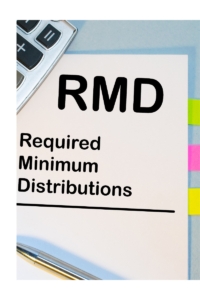
Required Minimum Distributions (RMDs) are mandatory withdrawals from certain tax-advantaged retirement accounts that owners must make at retirement age. The IRS mandates this age threshold to help ensure retirees begin drawing down their retirement savings and paying taxes on deferred income.
As of 2023, the age for starting RMDs changed to age 73. The first RMD must be taken by April 1st of the year after you turn 72 (or age 73 if you reach 72 in 2023 or later). Each year after that, RMDs must be withdrawn by December 31st. Understanding the timing and requirements for RMDs is crucial for retirement planning. As always, it is important to consult a financial advisor to ensure compliance with RMD rules.
RMDs are an essential part of retirement planning, and it’s important to understand how they fit into your overall strategy. Agemy Financial Strategies can help you navigate the complexities of RMDs and ensure you’re meeting your obligations while minimizing your tax exposure.
How Agemy Financial Strategies Can Help
Navigating the complexities of taxes in retirement can be overwhelming, but you don’t have to do it alone. At Agemy Financial Strategies, we specialize in helping clients create tax-efficient retirement plans that align with their long-term goals. Here’s how we can assist you:
Final Thoughts
Understanding the tax implications of your retirement investments is essential for maximizing your income and preserving your wealth. Agemy Financial Strategies is dedicated to providing knowledgeable guidance on tax planning strategies to help you minimize future tax burdens.
Our team is here to help you every step of the way, helping ensure that your retirement years are filled with immense fulfillment. With our guidance, you can embrace the opportunity to optimize your financial situation and secure a brighter financial future.
Contact us today to set up your retirement tax strategy session and learn how we can help you achieve a tax-smart retirement.
Succession Planning For Retirement
NewsRetirement presents a distinctive challenge for business owners and industry leaders: ensuring their organization’s continuity and prosperity. This is where succession planning becomes crucial.
Your retirement is likely to require that someone takes your place in the future. Succession planning involves anticipating that need. In this blog, we will delve into the importance of succession planning for retirement and explore effective strategies to secure a smooth transition. Here’s what you need to know.
Why is Succession Planning Important?
The retirement of baby boomers and the tendency of younger workers to switch jobs is causing a significant turnover in various positions. This dynamic shift in personnel impacts small businesses and larger companies, resulting in changes in ownership and leadership. In fact, Retirement rates have doubled when comparing data from the last five years to the long-term average from 1975 to 1995.
The turnover forces business leaders to think about succession of ownership, executive positions, and more. Succession planning enables organizations to cultivate and nurture potential leaders from within their ranks. Businesses can establish a robust talent pipeline by investing in developing talented individuals.
Secondly, a well-executed succession plan ensures the stability and continuity of an organization’s operations. It facilitates a smooth leadership transition, minimizing disruptions and maintaining the momentum required to achieve business goals. This strategic approach safeguards against any leadership vacuum from unexpected departures or retirements.
Furthermore, succession planning is crucial in helping retirees chart their long-term goals. It involves thoughtful consideration of various aspects, such as the desired retirement lifestyle, financial responsibilities, philanthropic aspirations, and the extent of support they wish to provide to future generations. By having a clear vision of their post-retirement objectives, retirees can tailor their succession plans accordingly, aligning them with their values and aspirations.
Estate Planning vs. Succession Planning
Estate planning and succession planning are different, and they are both important for business owners.
Estate planning is about deciding what happens to your personal belongings and assets after you pass away. It includes things like your will, trusts, and medical directives. However, estate planning doesn’t necessarily address what will happen to your business after you’re gone.
If you own a small business as a corporation or an LLC (Limited Liability Company), you need to include your ownership in the business in your estate planning documents. For example, if you own stocks in a corporation, you can specify in your will who will inherit those stocks after you’re gone. The same goes for an LLC; your interest in the company can be passed on according to your estate plan. If you are a sole proprietor, your business assets are treated as your personal property and will be passed on according to your estate plan.
On the other hand, succession planning is about making arrangements for your business to continue running smoothly after your death or retirement. It doesn’t only focus on who will own the business, although in many cases, it does involve deciding who will take over ownership. For small businesses, the top manager is often the owner, so succession planning is crucial for ensuring the business can carry on even if the owner is no longer there.
Because both estate planning and succession planning are vital for small business owners, it’s essential to consider them together. This way, you can make sure your personal assets and your business are well taken care of when the time comes. To sum up:
Essential components of an estate plan include:
A succession plan, meanwhile, has at its core:
Succession Planning Step 1: Evaluate Your Assets
Wealthy retirees frequently have a wide range of assets, encompassing financial investments, real estate holdings, businesses, and personal property. Conducting a thorough evaluation to ensure a comprehensive understanding of these assets is crucial. During the evaluation process, assets are assessed for value, and potential challenges or complexities related to ownership transfer are identified.
Retirees can make informed decisions about managing and distributing their assets by evaluating them. This assessment provides valuable insights into the financial landscape, enabling retirees to develop effective strategies that align with their goals and priorities. It also helps identify potential gaps or areas that require attention, allowing retirees to take necessary actions to optimize their asset portfolio.
Succession Planning Step 2: Create a Comprehensive Estate Plan
As mentioned previously, Developing a comprehensive estate plan is paramount regarding succession planning. An estate plan is the foundation for ensuring a smooth transfer of assets and preserving the retiree’s legacy. It involves the creation of various legal documents, including wills, trusts, powers of attorney, and healthcare directives.
The primary objective of an estate plan is to ensure that the retiree’s assets are distributed following their wishes. By clearly outlining their intentions and designating beneficiaries, retirees can minimize the potential for disputes and secure their assets to the intended individuals or organizations. This comprehensive approach helps avoid the complexities and uncertainties that may arise without a well-defined estate plan.
Additionally, an estate plan enables retirees to manage their assets from a tax perspective strategically. Through careful planning and appropriate legal mechanisms, such as trusts, retirees can minimize estate taxes and maximize the value of their estate for future generations. This proactive approach preserves wealth and provides a solid financial foundation for beneficiaries.
Succession Planning Step 3: Consider Philanthropic Endeavors
Wealthy retirees frequently aspire to make a lasting positive impact on society by engaging in charitable giving. Philanthropy is vital in succession planning, enabling retirees to support causes that hold personal significance while benefiting from potential tax advantages. One effective approach is establishing a charitable foundation or setting up a donor-advised fund, allowing retirees to leave a philanthropic legacy for future generations.
By directing retirement assets to charitable organizations, retirees can maximize the impact of their giving. Since registered charities are exempt from paying income tax, the full amount of the retirement account directly benefits the chosen charity. This provides an opportunity to divide retirement assets between charitable causes and heirs according to specific percentages designated by the retiree. This strategic allocation ensures that both philanthropic endeavors and the financial well-being of loved ones are addressed in the succession plan.
With careful planning and the assistance of financial advisors, retirees can create a legacy that combines their philanthropic aspirations. By utilizing retirement assets to support charitable organizations, retirees can contribute to meaningful causes and positively impact society while optimizing the tax benefits associated with their philanthropic endeavors.
Succession Planning Step 4:Continually Review and Update Your Plan
Open and transparent communication with family members is crucial during succession planning. Discussing intentions, addressing concerns, and involving heirs in decision-making can help prevent misunderstandings and family conflicts. It also allows retirees to share their values, personal stories, and the rationale behind their wealth transfer decisions.
Retirees should regularly review and update their succession plans to adapt to evolving needs and goals. Tax laws, family dynamics, and asset portfolio changes may necessitate adjustments. Periodic reviews ensure the plan remains effective. As business needs evolve, adjust the plan accordingly, and update the pool of potential successors to reflect the changing landscape.
Working With A Fiduciary Advisor
Succession planning for retirement involves careful consideration of investment objectives and the creation of personalized retirement plans. A Fiduciary Advisor can play a crucial role in this process by offering valuable guidance and ongoing portfolio management. When selecting a Fiduciary Advisor for succession planning, it is important to ask relevant questions about their experience and approach to retirement planning.
A clear understanding of the Fiduciary Advisor’s services and specific offerings is essential to making an informed decision. Managing investments during retirement can be challenging, especially if one needs to improve their investing knowledge.
At Agemy Financial Strategies, our team of Fiduciary Advisors excel in comprehensive retirement planning services focusing on succession and estate planning. We are committed to helping clients navigate the complexities of investment management during retirement. With our expertise and guidance, we can help you select investment options that align with your specific retirement goals and risk tolerance.
Final Thoughts
Incorporating succession planning into retirement planning is a proactive strategy that safeguards the future success of your business. Businesses can ensure continuity, preserve institutional knowledge, and promote employee engagement by identifying and nurturing potential successors.
If you’re ready to take the next step and incorporate succession planning into your retirement plan, Agemy Financial Strategies is here to assist you. Contact us today to get started on this important journey.