September 16, 2024

We’re all familiar with Required Minimum Distributions (RMDs), but new rules have made it more crucial than ever to plan carefully. Failure to do so could result in a costly tax burden and erode your retirement savings. In this blog, we’ll explore strategies to optimize your RMDs and avoid financial pitfalls, while also uncovering a lesser-known RMD trap that could impact your retirement healthcare plan.

Retirement should be about enjoying the fruits of your labor, not worrying about complicated financial decisions. Yet, one decision that often goes overlooked is what to do with your Required Minimum Distributions (RMDs). For many retirees, the default action might be to deposit these funds directly into their checking accounts. Still, this approach can lead to missed opportunities for tax efficiency, growth, and strategic financial planning. But there’s good news—you have options.

Let’s dive into smarter ways to handle your RMDs, helping ensure they align perfectly with your retirement goals and keep your money working for you.

Understanding RMDs

Required Minimum Distributions (RMDs) are mandatory withdrawals from certain tax-advantaged retirement accounts that owners must make at retirement age. The IRS states this age threshold to help ensure retirees begin drawing down their retirement savings and paying taxes on deferred income. The Secure 2.0 Act raised the age that account owners must begin taking RMDs. For 2023, the age at which account owners must start taking required minimum distributions goes up from age 72 to age 73, so individuals born in 1951 must receive their first required minimum distribution by April 1, 2025.

Understanding the timing and requirements for RMDs is crucial for retirement planning. While RMDs are unavoidable, how you manage them can significantly impact your financial health and long-term retirement strategy. To estimate your RMDs, use our free online RMD Calculator here. Consulting with a fiduciary advisor can help ensure compliance with RMD rules.

Why Avoid Dumping RMDs into Checking Accounts?

If you don’t immediately need the cash from your RMDs, there are smarter ways to handle these funds than depositing them into a checking account. By exploring alternative strategies, you can make your RMDs work harder for you. Here’s why avoiding a direct deposit into your checking account might be the better choice:

  1. Potential Tax Implications: Moving your RMDs straight into a checking account can inflate your taxable income, potentially pushing you into a higher tax bracket. This can also affect your Social Security benefits and Medicare premiums.
  2. Missed Growth Opportunities: Cash sitting in a checking account typically earns little to no interest. By reinvesting or reallocating these funds wisely, you can continue to grow your wealth even in retirement.
  3. Overspending Risk: A large influx of cash into a checking account can tempt some retirees to overspend, derailing their carefully planned retirement budgets.

Before making any withdrawals, it’s advisable to consult with a fiduciary to understand the tax implications fullyThey can provide personalized guidance based on your financial situation and help you make informed decisions about your retirement withdrawals.

1. Reinvest in a Taxable Brokerage Account

One of the most straightforward ways to keep your RMDs working for you is to reinvest them in a taxable brokerage account. While this won’t shield you from taxes on your RMDs, it allows your money to grow. Here’s how it works:

  • Growth Potential: By investing in a diversified portfolio of stocks, bonds, and other assets, you can earn a return that outpaces inflation.
  • Flexibility: Unlike retirement accounts, taxable accounts offer the flexibility to withdraw funds without penalties, making them ideal for funding major expenses or managing cash flow needs.

2. Qualified Charitable Distributions (QCDs)

Before diving into charitable giving, reflecting on your values and philanthropic goals is essential. Consider the impact you aspire to create and whether you lean towards supporting local, national, or international charities. If you are charitably inclined, QCDs may be an option for you.

Each year, an IRA owner age 70½ or over when the distribution is made can exclude from gross income up to $100,000 of these QCDs. For a married couple, if both spouses are age 70½ or over when the distributions are made and both have IRAs, each spouse can exclude up to $100,000 for a total of up to $200,000 per year. This strategy counts toward your RMD but is not included in your taxable income, providing a win-win situation:

  • Tax Benefits: QCDs reduce your taxable income, which can help keep your overall tax bill lower.
  • Philanthropic ImpactSupporting causes you care about can be a fulfilling way to utilize your RMDs.

Working alongside a fiduciary advisor can help you evaluate how well your contributions align with your goals. Be open to adjusting your giving strategy as your circumstances and priorities evolve.

3. Set Up a Roth Conversion Ladder 
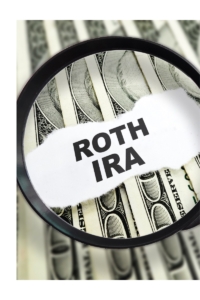
A Roth conversion involves transferring funds from a Traditional IRA or 401(k) into a Roth IRA, requiring you to pay taxes on the amount converted. Unlike regular contributions, there is no limit on the amount you can convert — the annual contribution limit ($7,000 or $8,000 if you’re 50 or older) does not apply to conversions. This strategy can be tailored to your unique financial situation to maximize the benefits of a Roth IRA.

Although you cannot directly convert RMDs, you can strategically plan Roth conversions to reduce future RMDs:

  • Tax-Free Withdrawals: Funds in a Roth IRA grow tax-free, and withdrawals are tax-free, providing flexibility and tax efficiency in later years.
  • RMD Exemption: Roth IRAs are not subject to RMDs during your lifetime, giving you more control over your retirement assets.

You can use the IRS’s Uniform Lifetime Table to determine the amount you need to withdraw. Working with a fiduciary advisor can help you effectively manage RMD withdrawals. With strategic planning, you can optimize your retirement income and minimize unnecessary tax burdens.

4. Purchase a Deferred Income Annuity

A Deferred Income Annuity (DIA) can be a valuable tool if you want to secure a reliable income stream in your later years. Using a portion of your RMDs to purchase a DIA, you can convert a lump sum into guaranteed payments that begin at a future date, often several years later. Here are some benefits that can offer you peace of mind

  • Customized Payments: Payments can be tailored to start at a specific age, providing predictable income to cover essential expenses.
  • Higher Payouts: The monthly payments will be larger for longer deferral periods. This helps you to benefit from increased income when you need it most.
  • Tax-Deferred Growth: During the deferral period, your funds grow on a tax-deferred basis. This can be particularly advantageous for those in higher tax brackets who wish to delay the taxable event in the future.

With the flexibility to customize payments and the security of guaranteed income, a DIA could be a vital component of a well-rounded retirement plan. Discuss this option with a fiduciary advisor to determine how it fits your overall strategy.

5. Fund a 529 Plan for Grandchildren’s Education

RMDs can also be a tool for leaving a legacy for future generations. By funding a 529 plan, you can help pay for a loved one’s education expenses while also removing taxable income from your estate:

  • Tax-Free GrowthInvestments in 529 plans grow tax-free, and withdrawals for qualified education expenses are also tax-free.
  • Gift of Education: Helping with education costs can be a meaningful way to support future generations without impacting your standard of living.

A Second RMD Hidden Healthcare Trap

Healthcare is expensive, especially as we age – which is why properly planning for these costs now can help your nest egg in your golden years. Did you know 2024 Medicare Part B & D Premiums are based on income? And RMDs may be pushing you into higher Medicare Part B & D Premiums!

As individuals progress through their retirement years, understanding the factors that influence Medicare premiums is crucial. These factors include earned and self-employment income, investment returns, real estate and rental income, retirement withdrawals, Social Security benefits, and pensions.

Beneficiaries who file individual tax returns with modified adjusted gross income: Beneficiaries who file joint tax returns with modified adjusted gross income: Part B Premium Part D Surcharge
Less than or equal to $103,000 Less than or equal to $206,000 $174.70
Greater than $103,000 and less than or equal to $129,000 Greater than $206,000 and less than or equal to $258,000 $244.60 $12.90
Greater than $129,000 and less than or equal to $161,000 Greater than $258,000 and less than or equal to $322,000 $349.40 $33.30
Greater than $161,000 and less than or equal to $193,000 Greater than $322,000 and less than or equal to $386,000 $454.20 $53.80
Greater than $193,000 and less than $500,000 Greater than $386,000 and less than $750,000 $559.00 $74.20
Greater than or equal to $500,000 Greater than or equal to $750,000 $594.00 $81.00

Required Minimum Distributions (RMDs) can push you into higher Medicare Part B and Part D premiums because they are considered taxable income. When you take RMDs from your retirement accounts, the amount is added to your adjusted gross income (AGI). If this increase pushes your AGI above certain thresholds, it can cause your Medicare premiums to rise due to the Income-Related Monthly Adjustment Amount (IRMAA).

IRMAA is a surcharge that applies to higher-income Medicare beneficiaries. For those whose income exceeds certain limits, IRMAA can significantly increase the monthly premiums for both Medicare Part B (medical insurance) and Part D (prescription drug coverage). As a result, large RMDs may unintentionally trigger higher Medicare costs, affecting your overall retirement budget.

To avoid having your Required Minimum Distributions (RMDs) push you into higher Medicare Part B and D premiums, consider the following strategies:

  1. Qualified Charitable Distributions (QCDs): If you’re 70½ or older, you can direct up to $100,000 of your RMD to a qualified charity. This amount won’t be included in your taxable income, helping keep your income below the IRMAA thresholds.
  2. Roth Conversions: Converting traditional IRA or 401(k) assets to a Roth IRA can reduce future RMDs, as Roth IRAs are not subject to RMDs during the owner’s lifetime. Converting in years with lower income can minimize the tax impact.
  3. Strategic Withdrawals Before RMD Age: Consider taking withdrawals before you reach the age for mandatory RMDs (age 73) to reduce the size of your retirement account and thus lower future RMD amounts.
  4. Delay Social Security Benefits: If possible, delay claiming Social Security benefits to reduce your taxable income. This can help you stay under the income thresholds for higher Medicare premiums.
  5. Income Smoothing: Spread out withdrawals over several years to avoid large, lump-sum withdrawals that could push you into a higher income bracket.
  6. Monitor Your Income: Keep track of your Modified Adjusted Gross Income (MAGI) and plan withdrawals accordingly to stay below the IRMAA thresholds for Medicare premiums.
  7. Use Tax-Efficient Investments: Consider investing in tax-efficient accounts or assets that produce less taxable income, helping to control the amount that could push you over the threshold.

By carefully planning your retirement income and utilizing these strategies, you can minimize the impact of RMDs on your Medicare premiums. Consulting with a financial advisor can also help tailor a plan that suits your specific situation.

Working With a Fiduciary Advisor 

When it comes to optimizing RMDs, each strategy has nuances and potential financial implications. Tax laws regarding RMDs, Medicare/income bracket changes, and charitable giving law adjustments mean your retirement income strategy must also adapt. Staying informed is crucial to maximizing the benefits of your RMDs. At Agemy Financial Strategies, we are here to offer in-depth insights into your specific RMD responsibilities and explore tax-efficient strategies for RMD management.

Our trusted fiduciary advisors can help you fulfill your legal obligations and provide personalized guidance to optimize your financial situation within the bounds of IRS regulations. We work with you to help assess your retirement income needs and craft a tailored plan aligned with your unique financial goals. Please refer to our service offerings page for a comprehensive list of our services, and don’t forget you can access our free online RMD Calculator here at any time.

Final Thoughts

Avoiding the simple transfer of RMDs into a checking account opens up opportunities to enhance your financial security and make meaningful contributions to your future and those you care about. And planning for Medicare changes along the way will help you avoid unnecessary financial surprises further down the road.

For personalized guidance and to explore the best strategies for your specific needs, consider consulting with Agemy Financial Strategies. Our team of fiduciary advisors is dedicated to helping you navigate the complexities of retirement planning and ensure your RMDs are managed per your goals.

Contact us today to learn more and set up a complimentary consultation.

Wealth expands life choices, and generational wealth offers greater freedom by eliminating financial worries and offering the next generation a significant financial advantage. Here’s how to protect your assets to transfer your wealth to your family and loved ones efficiently. 

Generational wealth—sometimes referred to as intergenerational wealth, multigenerational wealth, legacy wealth, or family wealth—is financial assets passed down from generation to generation.

Having the privilege of seeing your family’s hard-earned legacy connected down through the years is a humbling experience. But if you have built upon that wealth in your lifetime, you must ensure its strength and longevity to do the same for your loved ones as your ancestors once did for you.

The Great Generational Wealth Transfer

Baby boomers and the silent generation will bequest a total of $84.4 trillion in assets through to 2045, according to an analysis by financial market intelligence firm Cerulli and Associates. With $72.6 trillion going directly to heirs. The transfer of wealth from baby boomers will account for $53 trillion or 63% of all transfers, while the Silent Generation will hand down $15.8 trillion. As millennials and Gen X prepare to take the reins, high-net-worth investors must adopt strategies that cater to multi-generational needs and investment goals.

And now worrying figures from Gobankingrates show smart investments and money management skills are not always passed down with wealth. A staggering 70% of wealthy families lose their wealth by the next generation, with 90% losing it the generation after that.

Some millionaires were born into wealth and privilege, but many others found their fortune through good ideas and the hard work needed to bring those ideas to life. Whichever way you have built your wealth, the importance of multigenerational wealth transfer has never been more paramount.

Impact of Generational Wealth Transfer on the Economy

Generational wealth transfer has become a significant focal point for investors due to its profound implications for financial markets, investment strategies, and economic trends.

Interest rates are at a 22-year high as the Federal Reserve continues to battle inflation, and recession fears remain — but the US economy is holding in there. But is there a connection between the economy’s resilience and the ‘Great Wealth Transfer’? Billionaire investor Ray Dalio says a resounding “yes.”

“There was a big government-engineered shift in wealth from 1) the public sector (the central government and central bank) and 2) holders of government bonds to 3) the private sector (i.e., households and businesses),” he wrote.

“This made the private sector relatively insensitive to the Fed’s very rapid tightening to a more normal monetary policy. As a result of this coordinated government maneuver, the household sector’s balance sheets and income statements are in good shape, while the government’s are in bad shape.”

In other words, the federal government took on a lot more debt, and the central bank printed far more money. This causes the US balance sheet to deteriorate and contribute to inflation while benefiting the private sector.

Dalio says it’s highly likely that as the cost of interest payments keeps rising, the government will need to sell more debt, leading to a “self-imposed debt spiral.” “In my opinion, we are at the beginning of a very classic late, big cycle debt crisis, when the supply-demand gap, when you are producing too much debt and have a shortage of buyers,” he told a Bloomberg conference in June.

But while the transfer can be terrible for the Feds, it is still great news for American households. As this generation begins to pass on their assets, the total estimated wealth transfer amounts to nearly $85 trillion—eclipsing any from the past. Boomers’ millennial children stand to gain the most—$73 trillion is projected to be passed down through 2045—and an additional $12 trillion will be donated to charities.

Protecting and Passing on Your Wealth

The Great Wealth Transfer of $73 trillion being passed to the next generation can shift consumer behaviors, preferences, and spending patterns. So, investors must pay attention as it can influence the demand for things like real estate or stocks – and potentially the amount of wealth you have for the next generation. For example, giving Gen-X and Millennials’ buying power can change what is popular, affecting assets like real estate, stocks, and sustainable investments.

Adapting investment approaches to align with the preferences and priorities of inheriting generations is crucial for capitalizing on new opportunities and staying ahead in an evolving economic landscape. And it starts with protecting the legacy you have built. Let’s look at some tips to help prepare your family for this historic change.

Tip #1: Having a Comprehensive Estate Plan

Your first step to navigating this complex wealth management and transfer realm is having an estate plan. This initial step provides a roadmap for the distribution of your assets and guarantees that your wishes will carried out in the event of incapacitation or passing. Estate plans are for everyone with assets, including high-net-worth individuals. Here are some key points to consider:

  • Asset Distribution: An estate plan allows you to specify how you want your assets, including property, investments, and personal belongings, to be distributed among your beneficiaries. Without a clear plan, your assets might be subject to intestate laws, which can lead to unintended outcomes.
  • Beneficiary Designations: Through an estate plan, you can designate beneficiaries for various assets, such as life insurance policies, retirement accounts, and investment accounts. This transfers assets directly to the intended recipients, avoiding delays and potential disputes.
  • Business Succession Planning: If you own a business, an estate plan can outline how it will be managed or transferred to successors, ensuring its continuity and providing for your family’s financial future.

Life is constantly changing, and so should your estate plan. Changes in your family structure, financial situation, or legal regulations might necessitate updates to your plan to guarantee it remains aligned with your goals. A Fiduciary Advisor can help you with any changes that life may bring and help adapt your plan accordingly.

Tip #2: Beating The Tax Deadline For Wealth Transfers

The wealth transfer comes with its fair share of tax implications. Current estate tax laws allow individuals to transfer up to $12.92 million in assets with no gift tax implications. However, by the end of 2025, these amounts will drop in half. To reap the benefits of current estate gift taxes, strategically planning and executing these transfers well before tax deadlines is crucial.

High-net-worth investors can explore opportunities like the annual gift tax exclusion, which allows individuals to gift a certain amount per recipient each year without incurring gift tax. This strategy can minimize the taxable estate while fostering a culture of giving within the family. Collaborating with financial professionals with extensive tax planning experience and wealth transfer knowledge can provide invaluable insights into navigating complex tax laws and optimizing wealth preservation to pass on to your loved ones.

Tip #3: Spousal Lifetime Access Trusts

Trusts are a great tool to protect your wealth. Specifically, Spousal Lifetime Access Trusts (SLATs) offer a creative solution for high-net-worth investors aiming to support their spouse while still gifting assets to heirs.

When assets are transferred into an irrevocable SLAT, they are effectively removed from the grantor’s estate, reducing estate tax liability upon their passing. This strategy allows high-net-worth individuals to leverage their gift tax exemption and protect a significant portion of their wealth from potential estate taxes.

In determining whether a SLAT is right for you, the first step is to work with your financial advisory team to build a personal balance sheet. This creates an accurate inventory of all of your assets and liabilities, a record of how they’re titled, and details about the liquidity features of each item. Next, you’ll build a financial plan based on your projected lifestyle.

Tip #4: Dynasty Trusts

Dynasty trusts are another irrevocable trust that extends protection across multiple generations, allowing wealth to flourish through changing times. One of the main benefits of a dynasty trust is that it allows you to transfer assets to future generations while minimizing tax liabilities.

By keeping assets within the trust, the trust can continue to grow and provide for future generations without being subject to estate taxes at each generation’s passing. As regulations and laws around trusts vary, consulting a Fiduciary Advisor is crucial to tailoring these structures to specific family objectives.

Tip #5: Working With a Fiduciary Advisor

The Great Generational Wealth Transfer should be a wake-up call for many Americans who have not yet begun their Estate planning. This can be especially challenging for those with a high-net-worth estate. You want to protect your family assets and gain the peace of mind knowing you’re prepared and in control, whatever the future may bring.

Working alongside a Fiduciary Advisor is one of the best ways to prepare you and your family for the intergenerational wealth transfer. A Fiduciary advisor can help create your estate plan to meet your specific needs.

At Agemy Financial Strategies, our trusted team can help you create a trust for your beneficiaries that clearly outlines how your wealth should be distributed and invested and who will be entrusted with your assets.

Contact us today to schedule your complimentary consultation.

September 13, 2024

61% of Americans 50 and older are worried they won’t have enough money for retirement. Only 21% of people have a retirement plan. Which is why a pressing question remains for many: ‘Have I saved enough for retirement?’

This question is especially critical for those approaching retirement who want to maintain a lifestyle they’ve worked hard to achieve. For wealthier individuals nearing retirement age, this question isn’t just about surviving—it’s about thriving. In this blog, we will explore the importance of retirement savings, the challenges that lie ahead, and actionable steps you can take to secure your financial future. Here’s what you need to know.

Understanding the Retirement Landscape

Retirement is a deeply personal journey shaped by your unique lifestyle, health, and financial commitments. While each person’s retirement dream will look different, one factor remains constant: your golden years could be at risk without sufficient savings.

According to this 2024 Planning and Progress study, Americans will need around $1.46 million to retire comfortably. This figure can be even greater for rising-cost areas like Connecticut and Colorado. For instance, as of July 2024, Zillow estimates the average home value in Connecticut to be around $411,971, up 9.7% over the past year, while in Colorado, the typical home value is about $550,511, up 1.4% over the past year.

Moreover, inflation gradually diminishes the value of your savings over time. According to recent Consumer Price Index (CPI) data, despite the smallest 12-month increase since March 2021, inflation has gradually been on the rise, with the U.S. annual rate reaching 3.2% in July 2024. If your retirement plan doesn’t account for inflation, you may find that your savings don’t go as far as you’d hoped.

The Impact of the Financial Crisis and Economic Uncertainty

Many Gen Xers are in the “sandwich generation,” juggling aging parents’ care while supporting their adult children. This dual responsibility significantly strains their finances, making it increasingly difficult to build adequate retirement savings. Alarmingly, nearly half of Gen Xers have saved less than $50,000 for retirement. This is far below the recommended goal of saving at least ten times your annual income by retirement.

Generation X has also weathered economic challenges from the 2007-2008 U.S. financial crisis and, more recently, the financial uncertainties triggered by the COVID-19 pandemic. These events have taken a toll on their ability to save for retirement. Many have been forced to dip into retirement funds to cover unexpected expenses or prioritize other financial obligations, such as paying off mortgages or funding their children’s education.

Given the complexity of these challenges, saving for retirement can feel overwhelming. However, by exploring some effective strategies, you can navigate these obstacles and work toward securing your financial future.

Are You Ready?

When planning for retirement, a common guideline is to save between 10% and 20% of your annual salary, which is generally considered sufficient to ensure a comfortable retirement. Another general principle suggests that you’ll need approximately 80% of your pre-retirement income to maintain your current lifestyle. However, if you envision a more extravagant retirement, your savings strategy should reflect that goal.

It can be valuable to assess your current savings using our free online retirement calculators and estimate how much you’ll need to live comfortably. This evaluation will help determine if you’re on the right track or if adjustments, such as reducing potential retirement expenses, are necessary.

Further Strategies To Help Boost Retirement Security

The earlier you start saving for retirement, the more peace of mind you’ll have. Knowing you have a solid plan to cover your retirement expenses allows you to enjoy your pre-retirement years without financial stress. Here are some strategies to help you save for retirement:

  1. Maximize Your Retirement Contributions: One of the most effective ways to boost your retirement savings is to maximize your contributions to tax-advantaged retirement accounts, such as 401(k)s and IRAs. For 2024, the IRS allows individuals over 50 to contribute up to $30,000 to a 401(k) and $7,500 to an IRA. If you haven’t been contributing the maximum amount, now is the time to catch up.
  2. Diversify Your Investment Portfolio: Diversification is key to managing risk and ensuring your retirement savings can withstand market volatility. Consider a mix of stocks, bonds, real estate, and other investment vehicles.
  3. Consider Tax-Efficient Strategies: Taxes can significantly impact your retirement savings. Implementing tax-efficient strategies, such as Roth conversions or tax-loss harvesting, can help minimize your tax liability in retirement. It’s important to work with a fiduciary advisor who understands the complexities of tax planning and can guide you in making the best decisions for your situation.
  4. Create a Retirement Spending Plan: A retirement spending plan helps you understand how much money you’ll need to cover your expenses and how long your savings will last. This plan should account for all your expected retirement expenses, including housing, healthcare, travel, and leisure activities. It should also factor in inflation and potential changes in your spending habits as you age.

Common Mistakes to Avoid

When it comes to retirement planning, even small missteps can have significant consequences for your financial future. Being aware of common mistakes that can derail your retirement goals during this important time is crucial. Here are some common pitfalls to avoid:

  1. Procrastination: One of the biggest mistakes you can make is procrastinating on your retirement planning. The longer you wait, the harder it will be to catch up on your savings. Even if retirement feels distant, it’s crucial to start planning now.
  2. Ignoring Inflation: As mentioned earlier, inflation can significantly erode your purchasing power over time. Failing to account for inflation in your retirement planning can result in your savings falling short of what you need to cover your expenses.
  3. Not Seeking Professional Advice: Retirement planning is complex, and it’s easy to make mistakes if you’re unfamiliar with the intricacies of financial management. Working with a professional and experienced registered financial advisor can help you avoid costly errors and help ensure you’re on track to meet your retirement goals.

At Agemy Financial Strategies, our fiduciary advisors are committed to providing advice that is always in your best interest. We take a holistic approach, considering all aspects of your financial situation to help you achieve your envisioned retirement.

Final Thoughts

Having enough saved for retirement isn’t just about hitting a target number; it’s about crafting a financial plan that lets you live the retirement you’ve always envisioned. For wealthy individuals in Connecticut & Colorado, this means taking a comprehensive approach to retirement planning, considering all aspects of your financial situation, and working with professionals who can guide you through the process.

At Agemy Financial Strategies, we help clients navigate the complexities of retirement planning. Our team of fiduciary advisors is committed to providing personalized advice in your best interest. Whether you’re just starting to think about retirement or nearing the end of your career, we’re here to help you achieve your financial goals and help ensure a comfortable and fulfilling retirement.

Contact us today to schedule a consultation and discover how we can help you prepare for your golden years.

Managing your money effectively during retirement requires a combination of strategic decisions and a solid financial plan. Let’s explore some key strategies to help you maintain financial control throughout your golden years.

Controlling your finances during retirement can directly influence your quality of life and peace of mind during your golden years. Seventy-one percent of nonretired adults are at least moderately worried about being able to fund their retirement. This includes 42% who say they are very worried.

By controlling your finances at every stage on your road to retirement, you can help safeguard against financial stress, protect your hard-earned nest egg, and look forward to the retirement you deserve.

Creating and Managing Your Portfolio

Retirement income management is all about helping to ensure your retirement savings provide enough income for your needs and that you don’t outlive your assets. This starts with setting up and managing a portfolio that’s right for you.

Creating retirement income involves a mix of savings, investments, and sometimes continuing income streams that can sustain you during the years when you’re not working. Here are some common strategies and tips to consider as you transition into your golden years.

Pre-Retirement Planning

As you near retirement, you need to think about how you wish to spend these years. After all, with a nation living longer than ever, your retirement could last decades. Once you decide your desired lifestyle (including where you wish to retire and the standard of day-to-day living you wish to maintain), you need to calculate how you will get sufficient income to last your golden years. Some key strategies as you approach retirement include:

  1. Social Security: Make sure you understand how much Social Security income you’ll receive and how your claiming age impacts your monthly benefits. It’s worth remembering you should not rely on Social Security as your main source of retirement income. The Social Security trust funds that about 67 million Americans rely on for benefits are scheduled to be depleted in 2034, one year earlier than was projected last year, according to the annual trustees’ report released by the Treasury Department. Which amplifies the need to generate multiple streams of income asides from Social Security. 
  2. Pensions: If you have a pension plan through your employer, find out how much you can expect to receive and what the payout options are.
  3. Savings: Make sure to set aside money in a savings account for emergency expenses. You should aim for 6-12 months of expenses stashed away. See how you can build and grow your emergency fund here. 
  4. Tax-Advantaged Retirement Accounts: Contribute to retirement savings accounts like 401(k)s, 403(b)s, or IRAs. Max out contributions if possible.
  5. Investment Portfolio: Diversify your investments across different asset classes (e.g., stocks, bonds, real estate) to reduce risk and potentially increase returns.
  6. Debt Management: Try to minimize or eliminate high-interest debt before you retire.
  7. Healthcare Planning: Consider future healthcare costs and think about options like Health Savings Accounts (HSA) or long-term care insurance. Furthermore, the biggest threat to your retirement nest egg is Long-Term Care costs. Despite an aging population, only 7 percent of adults over 50 have an LTC insurance policy. Without proper insurance, you can expect to pay $9,034 per month for a private room in a nursing home. In contrast, in 2023, you can expect to pay anywhere from $79 to $533 per month for a long-term care insurance policy.

Generating Retirement Income

It’s important that the growth of your investment portfolio outpaces inflation, but you should balance that need for growth against the risk of exposing your savings to excessive market fluctuations. A few strategies to make your money work for you include:

  1. Withdrawal Strategy: Create a strategy for withdrawing from your various accounts. The commonly cited “4% rule” suggests withdrawing 4% of your portfolio in the first year of retirement and adjusting for inflation thereafter. However, if you want to be 100% sure you won’t run out of money, following the 4% rule likely isn’t the best choice. Not only is it an older rule, but it also doesn’t account for changing market conditions. In a recession, it’s probably not wise to step up your withdrawal amounts; you may even want to reduce them slightly. But when the markets are doing well, you might be able to withdraw more than 4% comfortably.
  2. CERTAIN Annuities: Some people opt for annuities, which provide a guaranteed income stream for a certain period or for life. However, not all annuities are built equal, and the wrong annuity type can cost you greatly down the line. For example, income annuities may come with limited or no access to assets and withdrawal penalties that can impact your ability to take the money you may need. Listen to our podcast on Bad Annuities here to learn more.
  3. Real Estate: Owning and renting out property can provide a steady income stream. Real Estate Crowdfunding allows you to invest in large real estate projects with a smaller amount of money. Furthermore, REITs (Real Estate Investment Trusts) can provide income through real estate ownership without requiring you to manage properties.
  4. Income Producing Investments: Income-producing investments such as stocks that pay dividends, bank products like CDs and bonds are important in retirement because once you stop working you typically need this money to live on. Growth investments, such as growth mutual funds and individual stocks that are expected to grow at a faster rate than their peers or overall market. They tend to come with greater price fluctuations than income-producing investments but are often recommended by financial professionals to help your retirement portfolio keep pace with, or ideally outpace, inflation.
  5. Tax Planning: Tax efficiency is an important consideration for high-net-worth investors, as taxes can have a significant impact on investment returns. Be strategic about which accounts to draw down first to minimize tax liability. Check out our recent blog on ‘Taxes You Should Know About in 2023’ here.
  6. Portfolio Rebalancing: Periodically rebalance your investment portfolio to ensure it aligns with your risk tolerance and income needs. This not only keeps you on track to meet your goals, but it may also enhance your portfolio’s returns. Learn more about evaluating your Risk Tolerance here.

Ongoing Management

Retirement income planning isn’t a one-and-done task. With the fast-paced nature of the financial markets and inflation, it’s easy to lose sight of your long-term financial objectives and get caught up in short-term fluctuations. That’s why it’s essential to periodically assess your investment portfolio to ensure it’s well-positioned to achieve your financial goals. Most importantly, it will provide you with a framework to identify potential gaps and blind spots in your investment game plan and adjust as necessary based on your lifestyle needs, market conditions, and any changes in laws or regulations that could impact your retirement income.

If doing an investment portfolio review becomes overwhelming on your own, talk to your financial advisor, who has the experience you need. This will help you make more informed decisions that are tailored to your personal financial situation.

Working with Agemy Financial Strategies

Retirement Income Management requires careful planning, ongoing assessment, and strategic decision-making. With the right approach, you can make the most of your hard-earned retirement and confidently embrace the next chapter of your life.

For over 30 years, Agemy Financial Strategies has helped our clients plan and prepare. This way, when the unforeseen occurs, our clients are uniquely positioned for success. We work hard to deliver a dependable retirement income strategy in any market, so you can enjoy the “best” of your lives during retirement.

As Fiduciary advisors, we follow strict U.S. law and standards of professional conduct to prioritize the interests of our clients over our own.

Contact us here for more information on our investing, retirement, and financial planning services today.

September 03, 2024

Looking for a fiduciary financial advisor and wealth manager? How do you know if your financial advisor has your best interests at heart? We understand it’s a big decision to partner with a financial advisor. Here’s why you should work with the award-winning financial planning team at Agemy Financial Strategies.

Celebrating over 30 years, Agemy Financial Strategies is dedicated to educating retirees through retirement planning, legacy planning, wealth management, and more to help them achieve their personal and financial goals.

There are a hundred reasons to work with Agemy Financial Strategies, but winning the Five Star Wealth Manager award for 12 consecutive years is at least twelve of them. By continuously earning this honor, Daniel Agemy, CPM®, RFC®, and Andrew A. Agemy, MRFC®, have shown an outstanding commitment to their clients. They have repeatedly appeared in Connecticut and FORTUNE Magazines (with more to come in 2025—stay tuned!).

About Five Star Professional

Five Star Professional uses their own research methodology to name outstanding professionals and works with highly-esteemed publications to get the word out. Their research disclosures include the five following criteria in order to qualify for the award

  • Nomination of candidates, either firm nomination, peer nomination or pre-qualification based on industry standards.
  • Regulatory Consumer Complaint Review – all candidates must demonstrate a favorable regulatory history
  • Candidate Submission of practice information – candidates must complete either an online or phone interview
  • Evaluation of Candidate practice – candidates are evaluated on 10 objective eligibility criteria.
  • Firm review of award candidate list – all candidates are reviewed by a representative of their firm before final selection

Each of their award winners has shown a commitment to clients, strong industry credentials and has been evaluated on the quality of his or her practice. Daniel Agemy, CPM®, RFC® and Andrew A. Agemy, MRFC® have met these criteria and have been honored with the Five Star Wealth Manager awards.

Meet Andrew Agemy

Andrew has won the prestigious Five Star Professional Award in the category of Wealth Management for the last 12 years straight—as seen in Connecticut MagazineThe Wall Street Journal, Fortune, and many others. Additionally, he is in his second decade of receiving an A+ rating with the Better Business Bureau as well as the National Ethics Association.

In order to serve his clients in the most effective way possible, Andrew is dedicated to continually advancing his knowledge of the financial markets and keeping up with emerging trends, so he can communicate his knowledge to pre-retirees and retirees in a manner they can easily understand. He received the CLTC designation in 2003 and then subsequently became an MRFC.

Andrew’s belief is that a financially literate and educated retiree is a happy and stress-free retiree. That’s why, throughout his career, he’s remained committed to educating his clients and members of his community via in-person financial education workshops and online webinars.

Meet Daniel Agemy

As a second-generation wealth manager, Daniel J. Agemy, CPM®, RFC®, has followed in his father’s footsteps, bringing a lifetime of financial expertise to Agemy Financial Strategies.  As a boy, he helped his dad, Andrew Agemy, in the office.  As he got older, he realized he had a special knack for communicating complex financial concepts and a passion for education. He eventually earned his way into partnership at Agemy Financial Strategies, and in 2015 he co-founded Agemy Wealth Advisors, LLC, a discretionary investment advisory firm.

Now COO and CIO, Daniel combines over a decade of experience with a passion for educating clients, specializing in custom retirement plans that help clients achieve their dream retirement.

In 2018, Daniel received the highly esteemed CPM® designation (Certified Portfolio Manager) from Columbia University IEOR and has won the prestigious Five Star Wealth Manager award three years in a row.

Daniel believes the world is getting increasingly more complex and the way to stay ahead is by continuously educating himself, his team, and clients. Daniel has over twelve years’ experience explaining and managing custom-designed retirement plans built to generate dependable income helping retirees achieve their dream retirement and lifestyle.

About Agemy Financial Strategies

Agemy Financial Strategies has helped their clients plan and prepare. This way, when the unforeseen occurs, their clients are uniquely positioned for success. We work hard to deliver a dependable retirement income strategy, in any market, so that clients can enjoy the “best” of their lives during retirement.

We provide our clients with a wide array of financial services. Retirement planning services are designed to educate our clients as to their best options for meeting their current financial needs, achieving their long-term financial goals, avoiding common retirement-planning mistakes, and enjoying a lifetime of financial stability.

Our goal is to give clients confidence in a custom-developed, robust retirement portfolio and provide investment options designed to generate interest and dividends regardless of market conditions. This is income that can be spent or reinvested for dependable “organic” portfolio growth.

  • Educating retirees and pre-retirees to make smart financial decisions
  • Purpose-based investing
  • Implementing generational wealth transfers
  • Generating income (a retirement paycheck), you can depend on in all market conditions

Are your most important decisions being made with the advice and guidance of a Five Star Professional?

  • Andrew A. Agemy, MRFC® has been recognized for the quality service he provides to the clients in his community. He has an unbroken record of receiving twelve consecutive Five Star awards for his outstanding service.
  • Additionally, Andrew is starting his fourth decade of teaching sound biblical financial principles in the Shoreline community.
  • Five Star is an international research group that helps identify top service providers in their field.
  • Andrew co-hosts the wildly popular radio show and podcast, Financial Strategies, which airs every weekend in both Connecticut and Colorado.
  • Agemy Financial Strategies: because your assets are too important for anything less than Five Stars or AAA (Andrew A Agemy)

Work With the Best

There are so many reasons why you should come and work with Agemy. Not only do we have Five Star Wealth Manager advisors, but with Agemy Financial Strategies, we give you the peace of mind that we are here for you every step of the way on your journey to financial freedom and security.

Our financial advisory team at Agemy Financial Strategies have three main goals for their firm. First, they want to educate retirees to make smart financial decisions. Second, they want to help retirees implement legacy and generational wealth transfers. Third, they want to help retirees have enough income in retirement to live stress-free in the “best” of their lives.

Come work with the award-winning financial planning team at agemy.com today.


Happy September and National Preparedness Month – a great reminder of the importance of preparing for unexpected events. Whether you face financial challenges from a global pandemic or a volatile economy, it’s essential to have a plan in place. Here’s what you need to know.

This year, millions of households are coping with serious financial challenges related to the economic impact of the pandemic, while the threat of natural disasters is ever-present.

While the Covid-19 pandemic has increased Americans’ awareness of the need to have a will, living trust or other similar end-of-life document prepared, only about 33% of Americans have put these plans in place. That means that 67% are leaving what happens to them and their assets in case of disability or death up to others, including the state.

Even more worrying, over half (53%) of Americans report not having emergency savings should a disaster strike.

The Importance of an Emergency Fund

An Emergency Fund acts as a safety net, helping to provide the financial resources you need to navigate unforeseen circumstances – without jeopardizing your long-term financial goals or your hard-earned nest egg.

Whether it’s an unexpected evacuation due to a natural disaster or unexpected medical expenses, having funds set aside can alleviate stress and protect your assets, allowing you to focus on what truly matters—your safety and well-being.

How to Invest Your Emergency Fund for Liquidity

Having money saved for emergencies is a great first step. But if you want this emergency money to grow by investing it, it’s important to know you can still get to it quickly when you need it.

A liquid asset is something you own that can be quickly and easily turned into cash without losing much value. This means you can get your money fast when you need it. Examples include money in a regular savings account, money market accounts, and stocks that can be sold quickly.

Due to its volatility, avoiding investing your emergency fund in stocks is wise. This is because if you need to sell your stocks to use the money for an emergency expense, you may be forced to sell at a loss. Bonds are generally less volatile than stocks but may take time to sell.

If you want to try to earn returns, which can help prevent losses due to inflation, you can consider other investment choices like a money market account, high-yield savings account, or CD. For more guidance on investing your funds according to your personal situation and goals, speaking with an experienced financial advisor can help take the guesswork out of your investment journey.

Create Your Financial First Aid Kit

The Emergency Financial First Aid Kit is a crucial tool to help you make financial preparations. It offers guidance on minimizing the financial repercussions of disasters for you and your family.

Besides growing your cash through liquid assets, there are day-to-day steps you can make to help strengthen your feeling of being financially prepared:

  • Prepare for the risks where you live. Personal financial planning helps families prepare for disasters, both big and small.
  • Check your insurance coverage. Having insurance for your apartment, home, or business property is the best way to be sure you will have the necessary financial resources to help you repair, rebuild, or replace whatever is damaged. Furthermore, other insurance plans like Long-term Care is designed to bridge the gap and cover costs that health insurance won’t.
  • Review your current retirement plan. Life can throw unexpected surprises; when they do, your retirement plan could need adjusting to adapt to these changes. Consult with your trusted financial advisor if and when life events change to see if your current strategy needs tweaking.

Establish a Clear Estate Plan

Financial preparedness extends beyond emergencies. Estate planning can help safeguard your wishes and assets.

Having a robust plan takes center stage when it comes to preparedness. An estate plan can be a lifesaver in a time of crisis. It outlines your wishes regarding the distribution of your assets and leaves instructions for situations when you become incapacitated. Your estate plan should contain a power of attorney, granting a trusted individual the authority to decide on your behalf if you cannot.

This document also empowers you to manage your finances, pay bills, and ensure the seamless continuation of essential affairs. Additionally, a healthcare proxy or medical power of attorney is equally important. This person is authorized to make medical decisions if you’re incapacitated. By appointing this person, you allow yourself to safeguard your well-being according to your wishes.

When harmoniously integrated into your broader financial strategy, these components of your estate plan can provide an extra layer of financial preparedness. By outlining your preferences and empowering trusted individuals to act on your behalf, you can help ensure that your affairs align with your wishes, even in challenging circumstances.

Regularly Review Your Plan

Creating a comprehensive preparedness plan is not a one-time task but an ongoing responsibility requiring regular attention and adjustments. As circumstances in life evolve, so should your strategy.

Life often throws you unexpected curveballs; as such, it’s essential to adjust when these changes happen. Shifts in family dynamics, such as a divorce or a death, can impact your financial standing. When these events occur, adjustments should be made to your estate and retirement plans.

Annual reviews provide an opportunity to evaluate your progress, reassess your financial situation, and make any necessary adjustments to your plan. Partnering with an experienced and trusted financial advisor can help enhance the efficacy of your emergency preparedness efforts.

Work With Agemy Financial Strategies

At Agemy Financial Strategies, our trusted advisors can help you prepare for all stages of life, even in unexpected emergencies. Our team of Fiduciaries is here to assist you every step of the way, helping to make your retirement years filled with joy and fulfillment.

We hope you feel financially inspired this National Preparedness Month. As always, contact us with any questions regarding your retirement outlook and financial future. We look forward to helping you prepare for whatever life may bring.

Schedule your complimentary strategy session here.

August 24, 2022

Saving for retirement is a top financial priority for most Americans. But once you hang up your hat, you shouldn’t necessarily stop thinking about saving and investing. Here’s the ins-and-outs of investing for retirees in a a volatile climate.

There is no doubt that we are in a bear market. When this happens, we naturally look for all the causes. Each bear market or recession has its own cause and effect.

As the stock market swings wildly, investors will be looking for less risky investments to mitigate the impact on their portfolios. Some investors will be tempted by volatility, seeing it as an opportunity. But others will want to avoid risk, especially given the uncertainty of exactly how much the Fed will raise interest rates and the impact that will have on the economy.

Here are some investments for retirees that might provide shelter from volatile stock markets.

High-Yield Savings Accounts

High-yield savings accounts also known as CDs are low risk investment vehicles. They are FDIC insured so you have no risk of losing your investment principle. With these accounts, you are not locking your money up for a specified amount of time, but for that additional flexibility, you tend to get a lower interest rate.

You can open a high-yield savings account at any bank or credit union. There’s no minimum balance requirement and the process is typically quick and easy. Depending on your time horizon, adding CDs to your retirement strategy can help offset losses from other investment vehicles. They can also provide a home for excess retirement distributions made from other accounts, such as an IRA or 401(k).

Individual Bonds vs. Using Bond Mutual Funds

Investing your money in bond mutual funds is a popular method with investors. What many people don’t realize is that bond mutual funds carry risks, costs, and tax implications that can be reduced, or even eliminated, by investing in a diversified portfolio of individual bonds, or other fixed-income securities.

That’s because when an investor buys an individual bond, they have two important securities. First, they’re promised a fixed rate of interest for the life of the bond. Secondly, when the bond matures, they’re expected to get their principal back – assuming there have been no defaults. With that assumption, an investor knows exactly what they’re going to earn on the bond that they hold to maturity, they know at what date it will mature, and they know the name of the company they are invested in.

Most investors understand the inverse relationship between interest rates and bond values. When interest rates go down, bond values tend to go up, and when interest rates go up, bond values tend to go down. If something happens in the bond market to cause bond values to drop, a portfolio of individual bonds as well as bond mutual funds will both be affected. However, if you’re holding individual bonds, the loss is simply a “paper loss” because you’re going to still receive your fixed interest payment for the life of the bond, and when the bond matures, you’re still going to get your principal back assuming there have been no defaults.

Investing in income-generating securities is similar to lending your money to the largest U.S. companies that pay you regularly scheduled interest. In the case of bonds, at the end of the loan term, they send you the last interest payment along with the return of your original principal.By owning predominantly income-generating securities, prudent investors can know, with a greater degree of certainty, what their financial future holds. Other investment vehicles such as common stocks and mutual funds don’t offer much certainty at all.

U.S. Treasury Bonds

If you’re looking for a lower risk investment, U.S. Treasuries are an excellent choice. Because the U.S. government has never defaulted on its bonds, U.S. Treasuries are one of the more dependable investments available.

With TIPS (Treasury Inflation-Protected Securities), you can get government bonds that have their face value and the interest they pay adjusted for inflation. Because TIPS trades on the open market, their price adjusts to inflation expectations, so you can be sure that your money will be worth more in the future than it is today even if inflation rises over time!

Bonds including, T-bonds, can be a good investment for those who are seeking a steady rate of interest payments. Although bonds and Treasury bonds are popular, they have some disadvantages and risks associated with them and may not be ideal for every investor. So always discuss this option with your trusted Fiduciary advisor before making any investment moves.

Investing in Gold

Gold is seen as the ultimate in safe havens. And it does provide some protection from inflation – just not every year. Timing can make a big difference. At times it can be as volatile as the stock market, but over the long term, it does tend to keep its value. It is a monetary asset, so its best use might be to diversify away from dollar-based investments. It’s important to invest with caution when it comes to gold.

If you’re interested in investing in gold, it is typically more secure to invest in a gold ETF like SPDR Gold Shares (GLD). This is a way to invest in gold without buying actual physical gold bars or coins. If you want exposure to gold and don’t want to deal with storing physical gold yourself, this could be a good option for you.

Investing in Preferred Stocks

Preferred stocks are hybrid investments that have some features in common with both stocks and bonds. You get the ownership stake of stocks, and the potential for appreciation, combined with guaranteed dividend payments similar to the interest payment on bonds. Generally, they’re considered more stable than common stocks, but not quite as steady as bonds.

However, that appreciation potential cuts both ways. You will often see larger swings in market pricing of preferred shares compared to bonds. So why are they dependable investments for retirees? Because preferred stock dividends are a good choice in nearly all cases, meaning you’ll get income no matter what the stock is doing. This also makes them a very good fit for our Income Method, as we look for reliable income streams from our holdings.

CEFs offer diversification as additional protection even in the already relatively less risky preferred securities space. Preferred shares issued by CEFs have both the benefits of the diversification of the CEFs holdings, and those same benefits of being a hybrid investment with stock-like price movements and a bond-like dividend stream.

At the end of the day preferred stocks can be a welcome addition to a portfolio looking for a yield boost.

Investing With Agemy Financial Strategies

Investing should be easy – just buy low and sell high – but most of us have trouble following that simple goals. Understanding these principles and strategies can help you avoid some of the pitfalls that snare some investors.

In the past, market volatility has been an opportunity to pick up more income-producing assets at a good price. But now we are entering a period where market volatility is likely to be higher than normal and economic conditions could be rough. So some investors would like to put some of their assets into investments of greater security.

We are able to help you find a low-risk investment strategy that focuses on cash flow and security first. It’s important to look at your finances and see if any of the above strategies could help you in the long run.

At Agemy Financial Strategies, we want you to know we’re here to help you navigate retirement and answer any questions that come up during your retirement process. As Fiduciary advisors, it’s our duty to act on your behalf in finding the right solutions for your individual wants and needs.

For more information on our investing, retirement and financial planning services, contact us here today.

August 21, 2024

Retirement is often viewed as the ultimate reward for decades of hard work—a time to relax, pursue passions, and enjoy life without the demands of a 9-to-5 job. However, transforming this vision into reality requires more than daydreaming; it demands purposeful planning and strategic action. 

In this blog, we’ll walk you through the essential steps to envisioning your dream retirement and how a fiduciary advisor can help you achieve it. Here’s what you need to know.

Assess Your Financial Foundation

The first step in planning your dream retirement is understanding where you currently stand financially. This means taking a close look at your savings, investments, and income sources. Do you have enough in your 401(k), IRA accounts, pensions, and other investments to support the lifestyle you envision? Have you considered all potential income streams, including any passive income from investments?

On average, Americans say they’ll need around $1.46 million to retire comfortably. That represents a 15% increase from last year’s $1.27 million and a 53% increase from their $951,000 goal in 2020.

At Agemy Financial Strategies, we help you create a comprehensive financial snapshot that outlines your current assets and identifies any gaps in your retirement plan. This thorough assessment is crucial for building a retirement strategy tailored to your unique goals and circumstances.

Define Your Retirement Vision

Retirement looks different for everyone. Some envision spending their golden years traveling the world, while others see themselves settling into a quiet life surrounded by family. Defining what retirement means to you is key to planning effectively.

Consider questions like:

  • Where do you want to live?
  • What activities and hobbies do you want to pursue?
  • How much time do you want to spend with family and friends?
  • Are you interested in part-time work or volunteer opportunities?

By clearly defining your retirement vision, you can create a plan that aligns with your personal aspirations. Agemy Financial Strategies takes a personalized approach, helping ensure that your retirement plan reflects your lifestyle goals, not just financial objectives.

Create a Sustainable Withdrawal Strategy

sustainable withdrawal strategy is crucial to ensuring that your retirement savings last throughout your lifetime, providing you with financial security and peace of mind. This strategy involves carefully determining how much you can withdraw from your retirement accounts each year without depleting your resources too soon.

However, this one-size-fits-all approach may not suit everyone, as it doesn’t account for individual factors like market fluctuations, inflation, or personal spending habits. For some, a more conservative withdrawal rate might be necessary, while others may have the flexibility to withdraw a bit more, depending on their unique financial situation.

At Agemy Financial Strategies, we work with you to develop a withdrawal strategy that aligns with your income needs and risk tolerance. We consider market conditions, tax implications, and the overall financial picture to create a plan that maximizes your income while minimizing the risk of outliving your savings.

Plan for the Unexpected

Life is unpredictable, and even the best-laid plans can be disrupted by unforeseen events. An emergency fund is essential, whether it’s an economic downturn, a major health issue, or a change in family circumstances.

An Emergency Fund acts as a safety net, helping to provide the financial resources you need to navigate unforeseen circumstances – without jeopardizing your long-term financial goals or your hard-earned nest egg. Having funds set aside can alleviate stress and protect your assets, allowing you to focus on what truly matters—your safety and well-being.

Creating a comprehensive preparedness plan is not a one-time task but an ongoing responsibility requiring regular attention and adjustments. As circumstances in life evolve, so should your strategy. Working alongside a fiduciary advisor can help you include this in your retirement plan.

Partner with a Trusted Advisor

Retirement planning is a complex process that requires ongoing attention and adjustment. Partnering with a trusted fiduciary advisor can make all the difference in achieving your retirement goals. At Agemy Financial Strategies, we pride ourselves on providing personalized, fiduciary-based advice that prioritizes your best interests. Here are some of the areas we can help you with:

  • Goal Setting: We will help you establish clear and attainable retirement goals, crafting a personalized financial blueprint to realize your retirement lifestyle aspirations.
  • Risk Assessment: The cornerstone of our approach is identifying potential financial risks. We’ll work with you to develop sound strategies for identifying these risks and helping mitigate them.
  • Portfolio Management: Our experience extends to implementing and managing a diversified investment portfolio meticulously aligned with your long-term objectives and risk tolerance.
  • Regular Reviews: Financial landscapes are ever-changing. That’s why we’re committed to consistently monitoring and fine-tuning your financial plan to help ensure it remains in harmony with your evolving circumstances.

Our team of dedicated fiduciaries is here to help you navigate the complexities of retirement planning, offering guidance and support every step of the way.

Final Thoughts

Envisioning your dream retirement is exciting, but turning that vision into reality requires careful planning. By assessing your financial foundation and defining your retirement vision, you can build a retirement plan that supports the life you’ve always dreamed of.

At Agemy Financial Strategies, we are committed to helping you plan for a fulfilling and secure retirement. As a Connecticut-based financial firm (with offices in Denver, Colorado), we understand the challenges people preparing for retirement face. Our purpose is to educate clients- whether planning for retirement, legacy planning, wealth management, or just holding your hand when it’s time to leap into retirement.

Contact us today to get started on this important journey.

The state of Connecticut has a lot to offer retirees. If you’re considering retiring here, you’ll need a well-thought-out plan. Here’s what you need to know.

Connecticut is known for many fabulous reasons. Its four-season climate, Ivy League universities, and rich history are all things to admire. When the time to retire comes, many residents nearing retirement find themselves deciding whether to stay in their current city or move somewhere new. But one question remains, are your golden years worth relocating?

Agemy Financial Strategies is proud to have first opened our doors in the place we call home. With our headquarters in Guilford, CT, we can offer you experienced and knowledgeable advice on managing your retirement in this beautiful state. But before making such a life-changing decision, let’s look deeper at what retiring in Connecticut entails.

Step 1: Define Your Retirement Goals

Regardless of where you are in your retirement planning journey, clearly understanding your goals is important. Do you want to move closer to family? Do you want a beach life? In a quaint town, or a bustling city? Sitting down and identifying what you want to prioritize is paramount, whether it is proximity to family, cultural activities, or a peaceful natural environment.

Fortunately, Connecticut has a lot to offer its retirees. Connecticut beaches are only two hours away from the ocean at the furthest point when living here. Several popular destinations within the state include Hammonasset Beach State Park and Ocean Beach Park. The state boasts nearly 100 miles of coastline along the Long Island Sound and is crossed by four major rivers, providing residents with beautiful scenery and outdoor recreational opportunities.

It is a fantastic place for hiking, which includes a stretch of the Appalachian Trail. Most state parks have opportunities for you to enjoy, and a handful of forest preserves make for the perfect autumn trek. There is something for everyone to love when you live in Connecticut.

Step 2: Factor in the Cost of Living

How much do you need to retire comfortably? It’s a question in the mind of every American saving for retirement. Unfortunately, there’s not a one-size-fits-all answer. There are several rules of thumb to help you figure out how much to save to retire. But the exact dollar amount you need will depend on a variety of factors — especially where you plan to live in retirement.

When planning for retirement in Connecticut, it’s essential to consider the cost of living, which tends to be relatively high. In 2023 there was a notable increase in the cost of living adjustment, which rose to 8.7%. This adjustment can affect your retirement budget and financial planning, underlining the significance of factoring in these figures as you map out your retirement journey.

Furthermore, Connecticut house prices can quickly eat into your retirement savings. The median home price in the state stands at $379,836, up 5.0% over the past year. Renting a two-bedroom apartment or house can also come with a significant price tag, averaging $1,950 per month.

While the cost of a comfortable Connecticut retirement is down the list of the most affordable state to be in, according to GoBankingRates, Connecticut’s cost of living for retirees is still very much attainable:

  • Total expenditures: $60,171
  • 20% comfort buffer: $15,043
  • Cost of a comfortable retirement annually: $75,213

This number was estimated based on an individual’s spending on groceries, healthcare, housing, utilities, and transportation – and the annual retirement income needed to cover these living expenses.

Step 3: Factor In Taxes

Including state-specific taxes is crucial when deciding where to spend the rest of your golden years. Taxes can erode your retirement income quickly if you are unprepared. Let’s take a look at four of the most common types of taxes you need to consider:

  • Income Tax: Connecticut’s state income tax structure is graduated, meaning that the amount people are taxed increases as their earned income increases. This ranges anywhere from 3% to 6.99%. While Connecticut has a higher sales tax rate than the national average, no local sales taxes are charged, which produces a balancing effect for the net amount of taxes collected.
  • Sales Tax: The State of Connecticut has a single, statewide sales tax. Because local jurisdictions in Connecticut impose no additional sales taxes, the rate of 6.35% applies to the retail sale, lease, or rental of most goods and taxable services.
  • Property Tax: Connecticut homeowners pay relatively high property taxes. The effective property tax rate is 2.5%, while the effective property tax rate for the nation is 1.11%.
  • Inheritance and Estate Tax: A huge benefit for residents of Connecticut is that it does not have an inheritance tax. However, there is an estate tax. As of 2023, the Connecticut estate tax exemption amount is $12.92 million.

Working with a financial advisor can help you navigate Connecticut tax questions and concerns.

Step 4: Healthcare Considerations

The elephant in the room? Access to quality healthcare and the price tag it comes with. Connecticut ranked 3rd healthiest state in the nation by the United Health Foundation. 93% of patients in the state have healthcare coverage. But what about the cost of long-term care?

The average length of time people need long-term care services is 3 years. In 2022, the average cost for 3 years of long-term care in Connecticut is $546,132 ($182,044 annually). That cost is projected to be $986,376 ($328,792 annually) in 2042.

It’s important to factor in healthcare costs like LTC in retirement and ensure you are properly insured. Researching healthcare providers, Medicare coverage, and long-term care options helps ensure you’re well-prepared for any health-related needs that may arise during retirement. The peace of mind that comes with knowing you’ve prepared for your healthcare needs can contribute significantly to your happiness (and financial stability) in retirement.

Step 5: Estate Planning Needs

When it comes to protecting your wealth, estate planning is one of the most important roadmaps to retirement. These legal documents help outline your healthcare proxies and establish powers of attorney if you pass away. This level of preparation can bring peace of mind to you and your family. Without a clear estate plan, the distribution of assets can lead to conflicts and disputes among family members.

It’s important to review your estate plans frequently, including wills, trusts, and powers of attorney. Consult with your financial advisor (preferably a Fiduciary) to help ensure your affairs are in order and your wishes are documented. This step is essential for securing your assets and providing peace of mind for you and your loved ones.

Work With A Fiduciary Advisor

Whether you want to remain in Connecticut, move into Connecticut, or even out of our great state (stay!), working alongside a trusted Fiduciary Advisor can help your transition to retirement. At Agemy Financial Strategies, our Connecticut-based Fiduciary Advisors can provide invaluable assistance in developing a retirement income plan that encompasses crucial financial factors, such as:

  • Retirement Planning
  • Estate planning
  • Wealth management
  • Long-term care planning
  • Lifestyle Management

Our Fiduciary Advisors are committed to working closely with you to make the most out of your retirement years. We understand that retirement planning looks different for each individual, and with that in mind, we carefully craft your plan to meet your specific needs. For a complete list of our service offerings, see here.

Final Thoughts

Retiring in Connecticut can be a wonderful and fulfilling experience with the right plan in place. By defining your goals and including all your possible expenses in retirement, you can be well on your way to a satisfying retirement in the Nutmeg State. Remember, retirement is a journey; with a solid roadmap, you can make it a journey of joy, exploration, and contentment.

At Agemy Financial Strategies, we want you to know we’re here to help you navigate retirement and any questions during your retirement process, wherever life takes you.

For more information on our retirement planning services, contact us today.

August 14, 2024

August 21st is World Senior Citizens Day, a perfect time to celebrate our seniors and acknowledge their unique financial challenges in retirement. 

Chances are, you’ll probably spend more in retirement than you think. Did you know that recent data shows a healthy 65-year-old couple might need over $395,000 for healthcare in retirement?

At Agemy Financial Strategies, we know how important it is to plan ahead for these expenses to help ensure a comfortable retirement. Our team is here to help seniors and their families navigate the details of healthcare and long-term care planning.

In this blog, we’ll provide essential insights into planning for healthcare and long-term care. We’ll cover key aspects of preparing for these significant costs and offer practical tips to help you create a robust plan for a financially stable retirement.

Why Seniors Need Both Healthcare and Long-Term Care

It’s important to understand the distinction between healthcare and long-term care, as they serve different purposes and have different financial implications. Seniors often require both healthcare and long-term care, as healthcare coverage alone may not address all their needs.

Healthcare focuses on treating and managing acute and chronic medical conditions. It covers medical expenses related to illnesses or injuries, such as doctor visits, hospital stays, medical procedures, surgeries, prescription medications, and preventive care. Typically, healthcare is covered by health insurance plans, including Medicare and private insurance policies.

Long-term care is about maintenance rather than treatment, aiming to provide comfort and safety. It includes assistance with daily living activities such as bathing, dressing, eating, and mobility. Services can range from nursing home care and assisted living to in-home and adult day care. Unlike healthcare, long-term care is typically not covered by standard health insurance or Medicare, requiring separate long-term care insurance or personal savings.

Understanding these differences helps you make informed decisions about the type of care you may need in the future and how to plan financially for these needs.

The Importance of Healthcare in Retirement
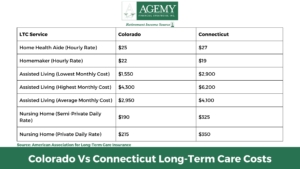
Healthcare is a critical component of retirement planning. As we age, the likelihood of needing more frequent medical care increases, making it essential to have a robust healthcare plan. Finding the best health insurance for retirees and seniors involves evaluating various factors, including coverage options, costs, and additional benefits like prescription drug coverage.

Medicare often serves as the foundation for healthcare coverage for seniors, but understanding its parts—Part A, Part B, Part C, and Part D—is crucial for complete coverage. Here is a closer look:

  1. Medicare Part A: Often referred to as hospital insurance, Part A covers inpatient hospital stays, skilled nursing facility care, hospice care, and some home healthcare services.
  2. Medicare Part B: This insurance policy covers outpatient care, doctor’s visits, preventive services, and medical supplies, such as durable medical equipment.
  3. Medicare Part C (Medicare Advantage): These plans often provide additional benefits beyond Original Medicare, such as dental, vision, and hearing coverage. They can be an excellent option for seniors looking for more comprehensive care.
  4. Medicare Part D (Prescription Drug Plans): Helps ensure coverage for prescription medications, especially those for managing chronic conditions.
  5. Medigap Policies: Also known as Medicare Supplement Insurance, Medigap policies help cover out-of-pocket costs not covered by Original Medicare, such as copayments, coinsurance, and deductibles.

At Agemy Financial Strategies, our fiduciaries help clients navigate these options, helping ensure they choose a plan that fits their medical needs and financial situation. Let’s take a look at some crucial factors to consider.

The Growing Need for Long-Term Care

Long-term care is another critical aspect of planning for the senior years. This type of care encompasses various services designed to meet health or personal care needs over an extended period. The cost of long-term care can be substantial.

On average, a year in a nursing home can cost around $108,408 per year for a private room. However, these costs can vary widely based on location, so checking specific rates in your area is crucial. The financial commitment associated with long-term care requires careful planning to help ensure the well-being of your loved ones and your financial stability.

Medicare primarily covers acute care services for short-term illnesses and injuries, not long-term care. Long-term care supports individuals with chronic conditions or disabilities who need ongoing help with daily activities like bathing, dressing, and eating. This kind of custodial care is not included in traditional Medicare coverage.

While Medicare does provide limited coverage for skilled nursing facility (SNF) care following a hospital stay, this is only for a short period and must be considered medically necessary. To help cover long-term care expenses, many people rely on private long-term care insurance, Medicaid, or sometimes both. Retirees must understand Medicare’s limitations in covering long-term care and plan accordingly as they age.

Below is a comparison of long-term care costs between

This comparison highlights the importance of planning for long-term care expenses, as costs can vary greatly depending on the location. For those approaching their senior years or planning for the future, understanding these costs and securing the right insurance or savings plans is crucial to help ensure financial stability and access to necessary care.


How Agemy Financial Strategies Can Help

Navigating healthcare and long-term care options can be daunting, especially considering the financial implications. If you’re in Connecticut or Colorado, our fiduciary advisors are here to help you plan effectively for your healthcare needs in retirement. At Agemy Financial Strategies, we recognize that healthcare costs can significantly threaten your retirement nest egg. That’s why we provide valuable assistance in developing a comprehensive retirement income plan that encompasses crucial financial factors, such as:

We understand that retirement planning looks different for each individual, so we carefully craft your plan to meet your specific needs. By taking a proactive approach, we help you manage healthcare expenses and maintain financial stability throughout your retirement.

Final Thoughts

National Senior Citizens Day reminds us to honor and support our senior community. Helping provide access to quality healthcare and planning for long-term care are essential steps in providing the security and peace of mind they deserve. At Agemy Financial Strategies, we are here to help every step of the way, providing the compassion needed to navigate these critical aspects of retirement planning.

Contact us today to learn how we can assist you in planning for a secure and comfortable future.