
Bitcoin & Cryptos: Navigating Economic Predictions for 2025

Bitcoin reached a historic milestone last month, surpassing $100,000 for the first time after doubling in value last year. Analysts predict that 2025 could usher in another transformative chapter for Bitcoin and other cryptocurrencies as the market cements its place as a dynamic and evolving asset class.
So what’s driving this surge of investor enthusiasm, and why are critics voicing concerns? In this blog, we’ll explore the key factors shaping the cryptocurrency landscape and what they mean for your investment future. Here’s what you need to know.
The State of Cryptocurrency in 2025 
Cryptocurrency, a digital or virtual currency secured by cryptography, has emerged as a significant player in the financial landscape. While Bitcoin remains the most well-known, thousands of cryptocurrencies offer unique features and use cases. These digital assets are utilized for online purchases and investments and help enable quick, cost-effective value transfers across borders, often outperforming traditional financial systems in efficiency.
At Agemy Financial Strategies, we foresaw Bitcoin’s potential to make waves in 2025. In our previous blogs and podcasts, we predicted Bitcoin’s ability to help enhance portfolio diversification and deliver substantial growth potential for long-term investors. These predictions have proven accurate, with Bitcoin starting the new year on a strong note. On January 2, 2025, Bitcoin’s price rose by 3%, reaching $97,234.80, and its year-to-date gain approached 4% when factoring in trading activity from January 1, 2025.
We’ve also addressed the delicate balance between the promise of high returns and the challenges posed by volatility and regulatory uncertainties. These insights have been validated as Bitcoin reaches remarkable milestones, becoming an increasingly sought-after asset for savvy investors seeking diversification and innovation in their portfolios.
Cryptocurrency Market Evolution
The broader cryptocurrency market has rallied, as reflected by the CoinDesk 20 Index, which advanced over 3%. Among altcoins, Solana—a leading Ethereum competitor—outpaced the market with gains of nearly 7%. Meanwhile, crypto-related stocks such as Coinbase and MicroStrategy also saw upward momentum, climbing 3.5% each.
This recovery highlights Bitcoin’s resilience and growing appeal as a potential safe-haven asset during periods of systemic financial uncertainty. As economic volatility continues into 2025, Bitcoin’s role as a stabilizing force in diversified portfolios will likely remain a key focus for investors.
Ethereum and Beyond: The Growth of Altcoins
While Bitcoin dominates headlines, altcoins like Ethereum, Solana, and Cardano are revolutionizing industries with utility-focused platforms. Ethereum’s continued upgrades and transition to a proof-of-stake consensus have cemented its role in decentralized finance (DeFi), NFTs, and Web3 technologies. In 2025, expect more innovation in blockchain ecosystems, creating opportunities for diversified investments.
Institutional Adoption Drives Stability
The growing involvement of institutional investors has brought credibility and liquidity to the crypto market. Bitcoin ETFs, spot trading platforms, and custody solutions have helped bridge the gap between traditional finance and digital assets. As hedge funds deepen their engagement, this institutional backing could potentially reduce market volatility and help attract a broader audience.
 Economic Predictions for 2025: Key Trends Impacting Crypto
- Interest Rate Dynamics
The Federal Reserve’s monetary policy remains a focal point for investors. Fed officials indicated they now expect to cut rates by just a half point in 2025, which would likely mean two rate cuts at their eight policy-setting meetings. That’s down from predicting a full percentage point (or four quarter-point cuts) in their September projections. This environment could increase liquidity in traditional and crypto markets, driving investor interest in risk-on assets like Bitcoin and Ethereum.
During the 2020 rate cuts, Bitcoin experienced a historic bull run driven by increased liquidity and institutional interest. While past performance doesn’t guarantee future results, similar conditions in 2025 could yield potential outcomes. As always, it’s important to consult a fiduciary advisor to see if investing in crypto is the right strategy for you.
- Inflation as a Catalyst
Although inflation appears to moderate (2.75%), core inflation pressures may linger, particularly in the energy and housing sectors. For crypto investors, this presents a potential opportunity. Bitcoin’s capped supply of 21 million coins inherently resists inflation, making it an appealing store of value. Argentina’s economic crisis saw citizens increasingly turn to Bitcoin to preserve purchasing power amid skyrocketing inflation. This trend underscores Bitcoin’s utility in inflationary environments, particularly for global investors.
- The Role of Geopolitical Events
Geopolitical uncertainty continues to influence global markets. Events such as trade wars, military conflicts, or shifts in international alliances can ripple through financial systems, impacting cryptocurrencies. In 2024, for instance, heightened tensions in Eastern Europe correlated with increased Bitcoin purchases as investors sought decentralized assets. In 2025, similar dynamics could reinforce the role of crypto as a hedge against geopolitical risks. However, investors should also prepare for potential regulatory responses to increased adoption.
How to Strategically Invest in Crypto in 2025 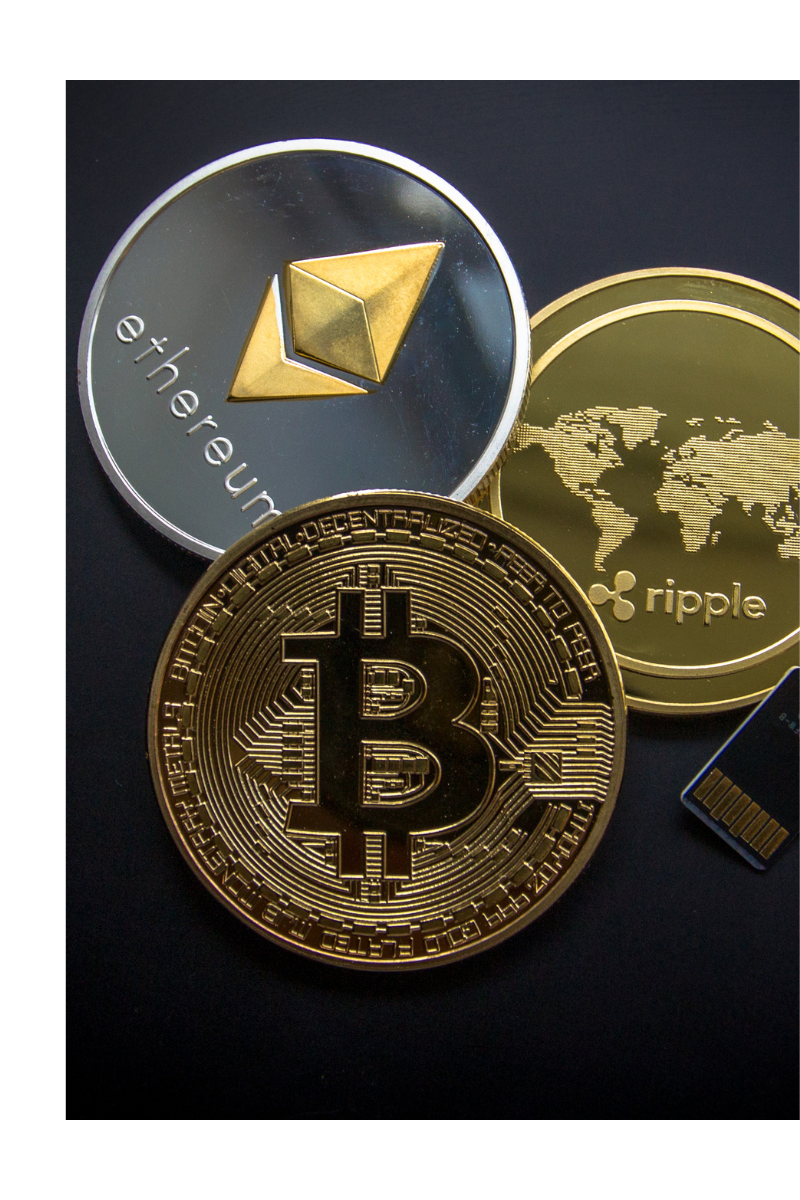
- Diversify Across Crypto Assets
While Bitcoin is the cornerstone of many cryptocurrency portfolios, diversifying into altcoins could help enhance your potential returns and mitigate risk. Altcoins often bring unique utilities and opportunities that can help complement Bitcoin’s role as a store of value. For example:
- Ethereum: The go-to platform for decentralized finance (DeFi) and non-fungible tokens (NFTs), Ethereum offers unparalleled opportunities for growth within blockchain-based applications.
- Polkadot: Designed for interoperability, Polkadot enables seamless communication between blockchains, making it a critical player in the future of decentralized ecosystems.
- Chainlink: A leader in blockchain data oracles, Chainlink connects smart contracts with real-world data, helping enhance the functionality of decentralized platforms.
By working with an advisor, you gain the experience needed to help you navigate the complexities of crypto investing while maintaining a balanced approach. Diversifying across crypto assets can help unlock potential opportunities, but having a knowledgeable guide can help ensure those opportunities align with your financial plan.
- Stay Ahead of Regulatory Changes
The cryptocurrency regulatory landscape is in constant flux, with governments worldwide refining their approaches to taxation, compliance, and investor protection. In countries like the United States, regulations are becoming more structured, providing clearer guidelines for reporting and compliance. To help navigate these evolving regulations effectively, consider taking these proactive steps:
- Consult a Financial Professional: Cryptocurrency transactions involve complex tax implications, including capital gains, reporting requirements, and deductions. Working with a knowledgeable fiduciary advisor can help ensure you comply with applicable laws while optimizing your financial outcomes.
- Diversify Across Jurisdictions: Holding crypto assets in countries with favorable regulations can provide additional flexibility and protection. Diversifying your investments geographically can also help mitigate risks associated with sudden regulatory changes in a single jurisdiction.
- Hedge with Stablecoins
Stablecoins like USDC and DAI help link the volatile cryptocurrency market and more stable traditional assets. These digital currencies are designed to help maintain a consistent value, often pegged to fiat currencies like the U.S. dollar. Stablecoins can be a financial safe harbor during potential market turbulence, helping investors preserve their capital without fully exiting the crypto space. Integrating stablecoins into your portfolio can help you manage risk and maintain liquidity in an unpredictable market. As always, consult a trusted advisor to help ensure this investment fits your unique needs and goals.
- Consider a Dollar-Cost Averaging (DCA) Strategy
A Dollar-Cost Averaging (DCA) approach involves regularly investing a fixed amount in cryptocurrency. This method helps investors manage the emotional challenges of market timing by promoting a steady, consistent investment strategy. DCA is particularly helpful in volatile markets, as it spreads investments over time and helps minimize the risk of making large purchases during price spikes. While it doesn’t eliminate market risk, DCA offers a potentially reliable framework that supports long-term financial planning objectives. Always weigh your options carefully and consult a financial professional for personalized guidance.
 Working With the Right Advisor
Navigating the complex and ever-evolving world of cryptocurrency requires in-depth knowledge and experience. While the growth potential is enticing, the risks of volatility, market shifts, and regulatory changes demand careful consideration. Working with a financial professional who understands this landscape is crucial for making informed decisions.
At Agemy Financial Strategies, we have the experience to help you assess whether cryptocurrencies like Bitcoin align with your long-term goals and risk tolerance. Our team can help you integrate digital assets into a diversified and balanced retirement portfolio, helping you capitalize on opportunities while managing potential risks.
Here’s a breakdown of how our experienced advisors can play a crucial role in helping you integrate Bitcoin into your retirement plan:
- Risk Assessment: We can evaluate your risk tolerance and financial situation to help determine whether Bitcoin is a suitable addition to your retirement portfolio. We will help you understand your investment choices’ potential risks and rewards.
- Asset Allocation: Our fiduciaries will assist you in determining the appropriate allocation of Bitcoin within your overall retirement portfolio, helping you maintain a balanced, diversified approach that aligns with your financial goals.
- Tax Implications: Cryptocurrency taxation can be complex, and tax laws can vary from one jurisdiction to another. Agemy Financial Strategies can help you navigate the tax implications of buying, holding, and selling Bitcoin in the context of your retirement plan.
- Long-Term Strategy: Crafting a long-term strategy for your retirement is essential. Our dedicated team of fiduciary advisors can help you set realistic goals, review your plan periodically, and make necessary adjustments to your financial well-being in retirement.
As the cryptocurrency market evolves, don’t go it alone. Partnering with a trusted fiduciary advisor can help you navigate this dynamic landscape and maximize what it offers with levelheadedness.
 Navigate the Crypto Landscape with Confidence
The cryptocurrency market in 2025 is poised for significant developments shaped by economic trends, regulatory changes, and technological advancements. By staying informed and adopting strategic approaches, investors can capitalize on this evolving asset class while helping mitigate risks.
At Agemy Financial Strategies, we understand the complexities of crypto and traditional investments. Our team is here to help you align your portfolio with your broader financial goals.
Schedule your complimentary consultation today to take the first step toward financial stability and growth in 2025.
FAQs: Bitcoin and Crypto in 2025
Is it too late to invest in Bitcoin?
Not necessarily. While Bitcoin’s price has increased significantly since its inception, its long-term potential as a store of value and hedge against inflation remains intact. Timing your entry with strategies like DCA can help mitigate risks.
How does crypto compare to traditional investments in 2025?
Cryptocurrencies offer diversification and high-growth potential but come with higher volatility. Balancing crypto with traditional assets like bonds and equities can help create a more resilient portfolio.
What are the risks of investing in altcoins?
Altcoins often carry greater volatility and less liquidity than Bitcoin. Thorough research, risk management, and working alongside a trusted financial professional are essential when exploring altcoin investments.
Will crypto regulations stifle innovation?
While some regulations may limit speculative activities, clear frameworks could help enhance market stability and attract institutional investors, fostering long-term growth.
How do I secure my crypto holdings?
Using hardware wallets, enabling two-factor authentication, and avoiding centralized exchanges for long-term storage are critical steps to help protect your investments.
Disclaimer: This blog is for informational purposes only and does not constitute financial advice. Cryptocurrency investments are inherently volatile and can carry significant risks. Always consult the qualified fiduciary advisors at Agemy Financial Strategies before making investment decisions.








Leave a Reply
Want to join the discussion?Feel free to contribute!