Charitable giving is about more than making a donation. For many individuals and families, it is an opportunity to support meaningful causes, pass on important values, and create a lasting legacy. When approached thoughtfully, charitable giving can also become an important consideration within a broader financial plan.
As you prepare for retirement, manage accumulated wealth, or consider how your assets will eventually be transferred to the next generation, your charitable goals deserve a place in the conversation. Giving can affect your annual budget, retirement income strategy, tax situation, and estate plan. Considering these factors together may help you make informed decisions about how to support the organizations and communities that matter to you.
October 24, 2026, marks National Make a Difference Day, a reminder that meaningful contributions can take many forms. Whether you donate to a nonprofit, volunteer your time, or establish a long-term charitable giving strategy, the occasion offers an opportunity to reflect on how generosity fits into your financial priorities.
At Agemy Financial Strategies, financial planning involves looking beyond individual decisions to consider how different parts of your financial life work together. Here is how charitable giving may fit into that bigger picture.
1. Start by Defining Your Charitable Goals

Before deciding how much to give or which giving strategy to use, consider what you want your contributions to accomplish.
Some people feel strongly about supporting local organizations, schools, or community programs. Others prioritize medical research, environmental conservation, religious institutions, or organizations addressing food insecurity. Families may also wish to support causes connected to personal experiences or establish a tradition of philanthropy for future generations.
There is no single right approach to charitable giving. The most appropriate strategy depends on your values, resources, and long-term financial priorities.
Start by asking yourself a few questions:
- Which causes or organizations are most important to me?
- Do I want to make contributions throughout the year or focus on larger, planned gifts?
- Would I prefer to give during my lifetime, include charitable organizations in my estate plan, or do both?
- Do I want to involve my spouse, children, or other family members in charitable decisions?
- How much can I reasonably contribute while maintaining my financial priorities?
These questions can help establish a framework for your giving.
It is also important to distinguish between your charitable intentions and the resources available to support them. A cause may be deeply meaningful to you, but your giving strategy should still account for your retirement income needs, emergency reserves, healthcare expenses, and other financial obligations.
The goal is to make charitable giving a deliberate part of your financial plan rather than a decision that competes with your other priorities.
2. Consider How Giving Fits Into Your Retirement Income Plan
Retirement often changes the way you think about money. During your working years, you may focus primarily on accumulating assets. In retirement, you must also consider how to use those assets to support your lifestyle over time.
Charitable contributions can become part of that equation.
If you plan to donate regularly, your financial plan should account for those contributions alongside everyday living expenses, travel, healthcare, housing, and other retirement goals.
For example, someone who intends to contribute a set amount to charitable organizations every year may want to include those gifts in their projected annual spending. Doing so can help provide a clearer picture of how charitable giving fits within their broader retirement budget.
Larger contributions may require additional consideration. A substantial donation could affect available cash reserves or the amount of money remaining to support future expenses. The impact will depend on your income sources, asset allocation, withdrawal strategy, and overall financial circumstances.
This is particularly relevant for retirees who rely on a combination of Social Security, pension benefits, investment accounts, and withdrawals from retirement savings.
A thoughtful plan considers how these resources work together before determining what level of giving is appropriate.
It may also be worth revisiting your giving strategy as your circumstances change. Healthcare costs, market conditions, family responsibilities, and changes in retirement spending can all affect how much flexibility you have.
Charitable giving does not have to be fixed permanently. A strategy that reflects your current resources and priorities can be reviewed and adjusted as your financial situation evolves.
3. Understand the Potential Tax Considerations of Charitable Giving

Tax considerations are one reason some individuals incorporate charitable giving into their financial planning. However, the tax treatment of a contribution depends on several factors, including the recipient organization, the type of gift, your income, and the rules applicable to your situation.
A charitable contribution does not automatically qualify for a tax deduction.
Under federal tax rules, deductible contributions generally must be made to eligible charitable organizations, and additional requirements and limitations may apply. For many donations, taxpayers must itemize deductions to claim a charitable deduction. Certain contributions are subject to documentation requirements and limits based on adjusted gross income.
Your tax situation also matters. A contribution that is beneficial from a charitable perspective may not produce the tax result you expect.
For that reason, it is important to evaluate charitable giving in the context of your broader tax plan rather than assuming every donation will reduce your tax bill.
Timing Your Contributions
The timing of a charitable gift may influence its tax treatment.
For example, individuals who anticipate changes in their income or deductions may wish to discuss whether the timing of contributions could be relevant to their annual tax planning. However, the outcome depends on the applicable tax rules and the individual’s circumstances.
It is also important to distinguish between making a donation and receiving a tax benefit. Even when a contribution qualifies for a deduction, the deduction does not necessarily offset the entire amount donated.
Donating Cash or Other Assets
Charitable gifts can take different forms, including cash, securities, and certain other property.
Depending on the circumstances, donating appreciated investments may have different tax implications than selling those investments and donating the proceeds. The potential treatment depends on factors such as the asset’s holding period, its value, the recipient organization, and applicable deduction limitations.
Before transferring assets, consider discussing the transaction with a qualified tax professional. Valuation rules, substantiation requirements, and other tax considerations may apply.
The objective is not simply to pursue a tax deduction. It is to understand how the proposed gift fits into your overall financial picture while supporting a cause you value.
4. Explore Charitable Giving Strategies

There are several ways to incorporate charitable giving into a financial plan. The right approach depends on how much you intend to give, when you want to give it, and how much involvement you want in directing your contributions.
Annual Charitable Contributions
For many households, the simplest approach is to make donations throughout the year.
You might establish a charitable giving budget, schedule recurring contributions, or designate a portion of your annual income for organizations you support.
This approach can help make giving easier to manage because contributions become part of your regular financial planning process.
It also allows you to review your charitable priorities periodically and adjust contributions as your circumstances change.
Donor-Advised Funds
A donor-advised fund, or DAF, is an account administered by a sponsoring charitable organization. After contributing assets to the fund, the donor can generally recommend grants to eligible charitable organizations over time, subject to the sponsor’s policies and applicable rules.
Donor-advised funds may appeal to individuals who want to make a contribution now while distributing grants to charities according to a longer-term schedule.
Depending on the contribution and applicable tax requirements, a donor may be eligible for a deduction in the year assets are contributed to the fund. However, eligibility and the amount of any deduction depend on the circumstances, and the contribution is generally irrevocable once completed.
A DAF also involves giving up legal control of contributed assets to the sponsoring organization. Although donors can recommend grants, they cannot treat the assets as personal funds or withdraw them for personal use.
For individuals considering this option, it is important to understand the fund’s fees, administrative policies, investment options, and distribution procedures before contributing.
Qualified Charitable Distributions
For eligible individuals with traditional individual retirement accounts (IRAs), a qualified charitable distribution (QCD) may provide another way to support qualifying charities.
A QCD generally involves a direct transfer from an eligible IRA to an eligible charitable organization. The individual must meet the applicable age requirement, and the transfer must satisfy IRS rules to qualify.
A qualifying QCD may be excluded from taxable income, subject to applicable requirements and limitations. This treatment differs from claiming an itemized charitable deduction for a donation made with personal funds.
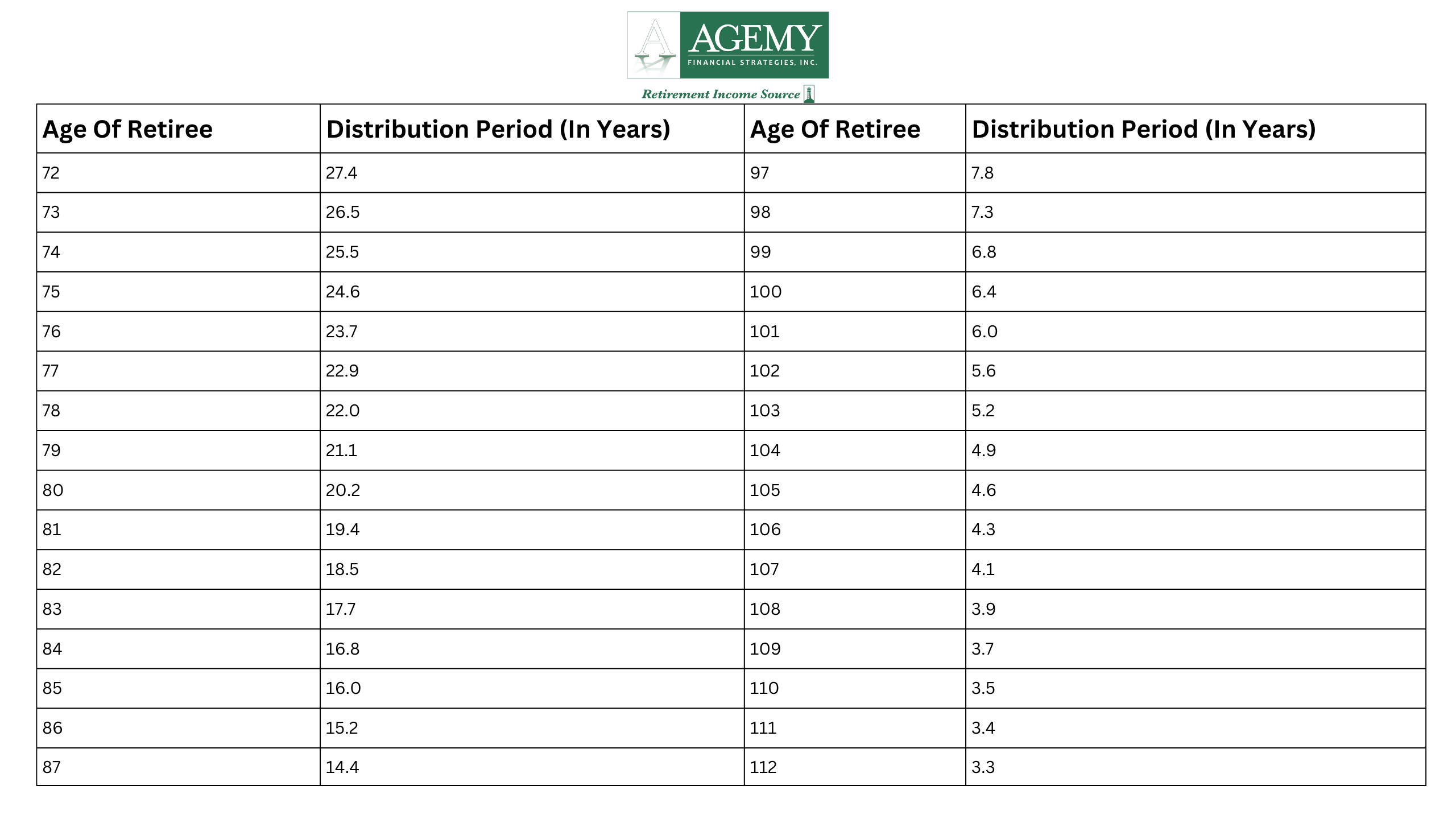
For some retirees, a QCD may also count toward satisfying all or part of a required minimum distribution (RMD). However, not every IRA withdrawal or charitable payment qualifies, and specific restrictions apply to eligible accounts, recipients, and transactions.
It is important to coordinate a potential QCD with your tax professional and IRA custodian before initiating the transfer. A withdrawal followed by a separate donation generally does not receive the same treatment as a properly executed QCD.
Charitable Giving Through an Estate Plan
Charitable giving does not have to happen entirely during your lifetime.
You may choose to include a charitable organization in your will, establish an appropriate trust, or designate a qualified charity as a beneficiary of certain assets where permitted.
These approaches can help allow you to incorporate philanthropy into your legacy plans while considering how the remainder of your estate will be distributed.
Estate planning decisions can have significant legal and tax implications. The suitability of a particular arrangement depends on your assets, family circumstances, intentions, and applicable law. An estate planning attorney and tax professional can help you understand the requirements and potential consequences of different approaches.
5. Connect Charitable Giving With Estate and Legacy Planning

For many families, wealth represents more than financial security. It can also reflect years of work, personal values, and a desire to make a positive difference beyond one’s lifetime.
Estate planning provides an opportunity to consider how those values may be carried forward.
If charitable giving is important to you, your estate plan can address how you want eligible organizations to benefit from your assets. It can also help clarify your intentions for family members and other beneficiaries.
For example, you may want to leave a specific bequest to a nonprofit, allocate a portion of your estate to charitable purposes, or establish a structure that supports giving over time. Each option has different legal, administrative, and potential tax implications.
Your estate plan should also be reviewed as your circumstances change. Marriage, divorce, the birth of a child, retirement, significant financial changes, or changes in charitable priorities may affect how you want your assets distributed.
Beneficiary designations, wills, trusts, and other estate planning documents should be considered together to help ensure they reflect your current intentions.
If you want charitable giving to become part of your family legacy, consider discussing those intentions with your loved ones. Conversations about the causes you support and why they matter can help future generations understand the values behind your decisions.
A legacy is not defined solely by the amount of wealth transferred. It can also reflect the principles and priorities that guide how that wealth is used.
6. Involve Your Family in Charitable Decisions
Charitable giving can be an opportunity to bring family members into conversations about money, responsibility, and long-term values.
For retirees who want to involve their children or grandchildren in philanthropy, discussing charitable priorities can create a meaningful way to share perspectives across generations.
You might invite family members to identify organizations they care about, research local community needs, or participate in a family discussion about annual giving priorities.
Some families choose to review charitable contributions together each year. Others may use a donor-advised fund or another appropriate structure to facilitate ongoing discussions about grants and charitable objectives.
The purpose does not have to be complicated. Even a simple conversation about why you support a particular organization can help communicate what matters to you.
Family participation should be consistent with your preferences, financial resources, and any legal requirements associated with the giving arrangement you choose.
As with other parts of financial planning, clear communication can help ensure that charitable intentions are understood and appropriately reflected in your broader plans.
7. Make Charitable Giving Part of Your Annual Financial Review

A financial plan should reflect your current circumstances, not simply the decisions you made years ago. The same principle applies to charitable giving.
Reviewing your giving strategy annually can help you determine whether your contributions continue to align with your financial priorities and charitable objectives.
Consider reviewing the following areas:
- Retirement income: Are planned contributions consistent with your projected income and spending needs?
- Cash flow: Do you have sufficient liquidity for upcoming expenses and unexpected costs?
- Tax planning: Have you discussed the potential tax implications of your contributions with a qualified tax professional?
- Investment assets: If you are considering donating investments, have you reviewed the relevant tax, valuation, and portfolio considerations?
- Estate planning: Do your documents and beneficiary designations reflect your current charitable intentions?
- Family priorities: Have your charitable goals or the causes you support changed?
Reviewing these questions together can help you make decisions with a more complete understanding of their potential impact.
It is also important to remember that charitable giving should remain voluntary and consistent with your financial capacity. You do not need to make a large contribution to make a difference, and you should not feel compelled to give more than your circumstances reasonably allow.
A sustainable giving strategy is one that supports your values while respecting your other financial responsibilities.
8. Celebrate National Make a Difference Day on October 24
National Make a Difference Day, observed on the fourth Saturday of October, encourages people to contribute to their communities through acts of service and generosity.
In 2026, the observance falls on Saturday, October 24.
The occasion offers a useful reminder that charitable giving can take many forms. Financial contributions may help support nonprofit organizations, but volunteering, sharing skills, participating in community initiatives, and helping neighbors can also make a meaningful contribution.
You could use the day to research a local nonprofit, volunteer with a community organization, review your annual charitable budget, or begin a conversation with your family about the causes you want to support.
If you are considering a financial gift, take time to verify the recipient organization’s legitimacy and understand how your contribution will be used. For gifts intended to qualify for a federal charitable deduction, confirm that the organization and contribution meet applicable IRS requirements.
You can also use the occasion as a starting point for longer-term planning. Rather than treating charitable giving as an occasional decision, consider whether it belongs in your annual budget, retirement income plan, or estate planning discussions.
A single day can prompt a broader conversation about the role generosity plays in your financial life.
Bring Your Charitable Goals Into Focus

Charitable giving can be a meaningful part of a comprehensive financial plan, helping connect your current priorities with your retirement goals and the legacy you hope to leave.
The most appropriate approach will depend on your individual circumstances, including your income needs, assets, tax situation, family priorities, and charitable objectives. By considering these factors together, you can make more informed decisions about how to give while accounting for your other financial responsibilities.
At Agemy Financial Strategies, we believe financial planning should account for the bigger picture. That means looking beyond individual transactions to understand how retirement planning, investment management, tax considerations, and estate planning work together.
If charitable giving is an important part of your financial goals, consider making it part of your next planning conversation.
Visit Agemy.com to learn more about Agemy Financial Strategies and explore how a comprehensive financial plan can account for your priorities today and your legacy for tomorrow.
Important Information: This article is provided for educational and informational purposes only and should not be construed as individualized investment, tax, or legal advice. Charitable giving strategies, tax treatment, eligibility requirements, and applicable limitations depend on individual circumstances and current law. Tax rules may change. Consult a qualified tax professional and an estate planning attorney regarding your specific situation before implementing a charitable giving strategy. Investment advisory services are offered through Agemy Wealth Advisors, LLC, a Registered Investment Advisor and fiduciary to its clients. Agemy Financial Strategies, Inc. is a franchisee of Retirement Income Source®, LLC. Agemy Financial Strategies, Inc. and Agemy Wealth Advisors, LLC are associated entities and are not associated with Retirement Income Source®, LLC.






 Key Changes to RMDs for 2025