Posts

With evolving economic landscapes and fluctuating property values, a common question arises: Is real estate investment income still a good model for today’s investors approaching retirement?

Real estate has long been considered a stable and lucrative investment for many high-net-worth individuals (HNWIs). The appeal of steady cash flow from rental properties, long-term appreciation, and tax advantages has positioned real estate as a cornerstone in many retirement portfolios.

Let’s explore the current trends, potential risks, and advantages of real estate investments to determine whether they remain a solid choice for income and diversification in retirement.

What are Real Estate Investments?

Traditionally, real estate investment provides two key income streams: rental income and property appreciation. Investments in real estate can be either active or passive, with rental properties generating regular income through tenant payments. In contrast, property values appreciate over time, potentially yielding significant profits when sold.

These factors make real estate an attractive asset class for high-net-worth individuals (HNWIs) seeking income generation, portfolio diversification, and protection against inflation. However, like any investment, real estate carries risks. Market trends, policy shifts, and economic fluctuations can all affect the profitability of real estate—particularly for those nearing retirement, who may have less time to recover from market downturns.

Current Trends in Real Estate Investment

As of 2024, several key trends are shaping the real estate investment market. HNWIs approaching retirement should pay attention to these developments as they directly impact the profitability and attractiveness of real estate as an asset class.

Lower Borrowing Costs

Over the past year, the Federal Reserve’s interest rate cuts have lowered borrowing costs for real estate investors. Typically, when interest rates decline, mortgage rates follow, making it easier to secure favorable terms on home loans.

This presents opportunities for investors nearing retirement. Lower mortgage rates may make real estate investments more attractive, whether for purchasing a downsized home or a vacation property. The average 30-year fixed mortgage rate is 6.08%, the lowest since September 2022. While this rate is still below the historical average of 7.72% (dating back to 1971), economic experts do not expect mortgage rates to decrease significantly in the near future.

Although minor rate reductions could happen, those waiting for improved affordability may be priced out as home values continue to rise. Consulting with a fiduciary advisor can help maximize these lower rates while helping your real estate investments align with your broader financial goals.

Remote Work and Changing Property Demands

The post-pandemic shift to remote work has significantly altered the demand for residential and commercial real estate. Cities once prime real estate hubs may no longer offer the same rental returns. Conversely, suburban and rural areas have seen increased demand, rising home prices, and rental yields.

Commercial real estate, in particular, has faced challenges as office spaces remain underutilized in many urban centers, while residential real estate in the suburbs continues to experience strong demand. Investors should consider these evolving trends when evaluating potential real estate investments. Partnering with an advisor can help you navigate these changes and choose the best options for your portfolio.

The Benefits of Real Estate Investments 

Real estate has remained a popular investment for decades, offering opportunities for income generation, capital appreciation, or a combination of both. Whether through buying, owning, or managing properties, real estate often provides a steady and predictable cash flow, making it an appealing option for those seeking reliable income.

Here are a few key reasons why investors frequently include real estate in their portfolios:

  • Steady Cash Flow: Investing in properties like residential homes or real estate groups can generate regular income from tenant payments, offering a consistent revenue stream.
  • Diversification: Real estate helps diversify your portfolio. If you’re already invested in stocks or bonds, adding real estate brings a different layer of protection, as it tends to perform differently than other assets.
  • Tax Benefits: Real estate investments offer attractive tax advantages. Property depreciation can lower taxable income; some investors can offset other taxes with property-related losses.
  • Tangible Asset: Unlike some investments that exist solely as digital numbers, real estate is a physical, useful asset. Even if property values decline, it remains a functional asset that can generate income through rent.

Risks to Consider

As with any investment, real estate comes with risks, especially for those nearing retirement. It’s important to carefully weigh these risks before making any decisions.

  • Market Volatility: Real estate markets can be volatile, and regional conditions often determine profitability. A market downturn can lead to lower rental income or a reduced return when selling. This is particularly concerning for retirees, who may be unable to wait for the market to recover.
  • Property Management Challenges: Owning and managing rental properties can be time-consuming and costly. Direct property management may not be ideal for retirees seeking a more hands-off investment. Alternatively, real estate investment trusts (REITs) offer a more passive approach, though they can still be subject to stock market volatility, which may not suit every investor.
  • Liquidity Risk: Unlike stocks or bonds, real estate is not a highly liquid asset. Selling a property can take time, and market conditions may prevent a quick sale at a favorable price. This lack of liquidity can be problematic for retirees who may need immediate access to cash for unexpected expenses or opportunities.

Alternative Real Estate Investment Strategies

For those concerned about the traditional approach of buying and managing properties, several alternative real estate investment strategies may be worth considering:

  • Real Estate Investment Trusts (REITs): REITs allow investors to pool their capital and invest in a diversified portfolio of real estate assets. This offers a more liquid option than direct property ownership without the need for property management. In 2023, U.S. REITs had an equity market capitalization of more than $1.3 trillion, reflecting their growing popularity among investors.
  • Private Equity Real Estate Funds: For more experienced investors, private equity real estate funds offer an opportunity to invest in larger commercial properties or development projects. These funds can deliver strong returns but typically come with higher fees and longer lock-up periods, making them less liquid than REITs.
  • Crowdfunding Platforms: Platforms like Fundrise and RealtyMogul have made real estate investment more accessible, allowing individuals to invest in larger projects. While this provides access to a broader range of opportunities, it’s important to consider the risks. Many of these projects are not insured, and returns are not guaranteed. An advisor can help you decide if this is the right investment.

What Rate of Return Should You Expect to Earn on Investments?

When considering whether real estate income is still a good investment model, it’s essential to examine both current market dynamics and long-term financial goals.

Real estate has historically been a stable source of passive income, benefiting from property appreciation and rental income. However, factors like rising interest rates, fluctuating property values, and increased maintenance costs can impact profitability. A good benchmark for returns is aiming to earn about 8% per year after costs. This target ensures your real estate investment keeps pace with inflation, compensates for the liquidity and risk involved, and remains competitive with other investment options like stocks or bonds.

Achieving this level of return also allows you to build wealth over time through the compounding effects of capital appreciation and rental income. Real estate can be a key part of a diversified strategy for investors approaching retirement, offering tangible assets that generate steady cash flow. However, it’s important to consult with a fiduciary advisor before making any portfolio adjustments, ensuring that real estate remains aligned with your overall financial objectives and risk tolerance.

Is Real Estate Still a Good Model?

While real estate continues to offer compelling benefits like passive income, inflation protection, and tax advantages, the market conditions of 2024 require careful evaluation. Lower borrowing costs, market volatility, and shifting property demands have introduced new challenges for investors considering real estate.

Given the complexities of today’s market, it’s crucial to consult with a fiduciary advisor to determine how real estate fits into your overall retirement strategy. At Agemy Financial Strategies, we are dedicated to helping you navigate these complexities. Our fiduciary advisors help ensure that your investments align with your financial goals and provide a solid foundation for a secure retirement.

Final Thoughts

Staying informed about changes in the real estate market and adjusting your investment strategy is key to long-term success. Partnering with a fiduciary advisor can help mitigate risks and capitalize on opportunities. At Agemy Financial Strategies, we prioritize your best interests. Our fiduciary advisors are here to help you make informed decisions for a financially secure retirement.

Are you ready to see if real estate investments are right for you? Contact us today to schedule your complimentary consultation.


Disclaimer: The information provided in this blog is for educational purposes only and should not be considered as specific investment advice. While we aim to provide valuable insights, every individual’s financial situation is unique, and changes to your investment portfolio or financial strategies should only be made after consulting with a qualified financial advisor. We encourage you to reach out to our team before making any investment decisions to ensure they align with your personal goals and risk tolerance.


In 2024, despite global geopolitical tensions and economic uncertainties, the world’s economy has shown remarkable resilience and steady growth. For those looking to enjoy a comfortable retirement, however, it’s not enough to rely on general market trends. The key to financial security lies in building a well-balanced, carefully managed investment portfolio that can weather both global shifts and personal financial challenges.

As retirement nears, most pre-retirees share a common concern: making sure they have enough income to maintain their lifestyle without depleting their savings. Alarmingly, over 57% of workers believe they’re behind on their retirement savings goals. This is where a well-structured portfolio becomes essential to protecting your financial future.

For retirees in states like Connecticut and Colorado, adopting a strategic approach to income generation and risk management is more crucial than ever. In this blog, we’ll explore key strategies for building a strong retirement portfolio, review current statistics on retirement needs, and explain how Agemy Financial Strategies can help you navigate the complexities of retirement planning.

It’s important to note the following information provided is for educational purposes only and should not be considered as specific investment advice. We encourage you to reach out to our team before making any investment decisions to ensure they align with your unique personal goals and risk tolerance.

Understanding the Universe of Income-Generating Alternatives 

One common misconception among pre-retirees is that bonds or traditional stock market investments are the only viable sources of income during retirement. While bonds and stocks have their place in a diversified portfolio, they are not the only—or even the best—options for generating steady retirement income. Many overlook other income-generating investments that can provide reliable returns with reduced risk.

The universe of income-generating alternatives includes options such as:

  • Corporate Bonds: Corporate bonds offer fixed interest payments and the return of principal at maturity. They can provide a steady income stream without the risk and volatility associated with equities.
  • Preferred Securities: These securities combine elements of stocks and bonds, offering income generation and growth potential while generally less risky than common stocks.
  • Dividend-Paying Stocks: Certain stocks provide regular dividend payments, which can serve as an additional income stream during retirement. While these are more volatile than bonds, they offer income and capital appreciation potential.

Corporate Bonds: Stability and Predictability

Stability is crucial when constructing a retirement portfolio. Corporate bonds are an excellent option for pre-retirees who want a steady income stream without the risks associated with stocks. Unlike stock dividends, which can fluctuate or be cut, corporate bonds guarantee a fixed interest payment as long as the company remains solvent.

Over 2.5 million households in the U.S. invest in corporate bonds, and 65% of all transactions are retail size (100 bonds or less). This demonstrates the growing popularity of corporate bonds as a reliable income source for retirees. A well-researched bond can offer retirees predictable income security without the stock market’s volatility.

The Importance of Diversification in Retirement


Diversification is key to managing risk in any portfolio, but it becomes even more critical as retirement nears. For pre-retirees, a well-diversified portfolio can mitigate the impact of market volatility while still allowing for income generation and growth.

Here’s how diversification might look in a retirement portfolio:

  • Income-Generating Investments: Corporate bonds, preferred securities, and dividend-paying stocks. These investments provide steady income and reduce the need to sell assets during market downturns.
  • Growth-Oriented Investments: Although income is a priority in retirement, growth is still important to help ensure the portfolio can keep up with inflation. Stocks or equity funds can be part of a diversified portfolio to provide long-term growth.
  • Alternative Investments: Some retirees include real estate, private equity, or other alternatives to diversify further and reduce reliance on the stock market.

One of the common mistakes pre-retirees make is leaving their 401(k) or retirement accounts invested solely in equities or bond funds. While these might have served them well during their working years, they can expose retirees to unnecessary risk. As always, it is important to work alongside your advisor to see if this approach is right for you.

Managing Market Volatility in Retirement

Market volatility is a significant concern for retirees who rely on their portfolios to cover living expenses. Unlike younger investors who can ride out market downturns, retirees often don’t have that flexibility. A sudden drop in the market could severely impact savings, making it challenging to recover.

In fact, 84% of Americans agree that recent market volatility underscores the need for guaranteed income in retirement. This highlights prioritizing stability over high-risk, high-reward investments as retirees focus on preserving their financial security.

Consider income-focused investments, such as corporate bonds and preferred securities, to mitigate this risk. These options provide reliable income even during market downturns, allowing retirees to avoid selling assets at a loss. With a well-planned portfolio, retirees can generate enough income to cover living expenses without relying on unpredictable stock market returns.

The Role of Annuities in a Robust Portfolio 

Certain annuities can be a key component of a diversified retirement portfolio, offering stability and peace of mind. In fact, total U.S. annuity sales reached a record-high $385.4 billion in 2023, driven by the need for secure, guaranteed income in an increasingly volatile market.

For some retirees, annuities can play a valuable role in providing guaranteed income. Fixed annuities, for example, offer a fixed rate of return for a specified period, similar to bonds, but they come with the additional benefit of tax-deferred growth. This can be particularly advantageous for retirees looking to minimize their tax liabilities while still generating income.

However, not all annuities are created equal. Variable annuities, for example, can be risky and come with high fees. It’s important to consult with an advisor to help navigate the complex world of annuities. An advisor can help ensure they choose products that align with their income needs and risk tolerance.

How Agemy Financial Strategies Helps Pre-Retirees Build Robust Portfolios

Agemy Financial Strategies focuses on helping pre-retirees build robust portfolios that can weather market volatility and provide the income needed for a comfortable retirement. Here are some key ways our fiduciary advisors can help:

  1. Customized Portfolio Construction: Each retiree’s financial situation is different. We work closely with clients to design a portfolio that reflects their risk tolerance, income needs, and long-term goals.
  2. Income-Focused Strategy: We prioritize investments that generate reliable income. This helps ensure clients have the cash flow they need without selling assets during market downturns.
  3. Ongoing Portfolio ManagementRetirement planning doesn’t stop once the portfolio is set up. Agemy continually monitors clients’ portfolios, adjusting as needed to adapt to changing market conditions and life circumstances.
  4. Tax Efficiency: Retirement income isn’t just about how much you earn—it’s also about how much you keep after taxes. We incorporate tax-efficient strategies into portfolio planning, helping retirees maximize their after-tax income.
  5. Risk Management: Our advisors help retirees balance the need for income and preservation of capital with the potential for growth by incorporating a mix of lower-risk investments with growth opportunities.

Take Control of Your Retirement with Agemy Financial Strategies

Building a robust retirement portfolio requires a strategic approach that balances income generation, risk management, and growth. By focusing on income-generating investments, pre-retirees can help ensure they have the financial stability they need to enjoy retirement.

At Agemy Financial Strategies, we are committed to helping pre-retirees in ConnecticutColorado, and beyond develop personalized retirement strategies that align with their goals. Whether you are nearing retirement or already retired, now is the time to take control of your financial future.

Contact us today to learn more about how you can build a robust portfolio that will provide the income and security you need for a stress-free retirement.

Frequently Asked Questions

Q: How do corporate bonds help retirees generate income?
A: Corporate bonds provide retirees with fixed interest payments over a specified period, offering a predictable and reliable source of income. Upon maturity, retirees receive their initial investment (the principal) back. This stability makes corporate bonds a great option for retirees who want to avoid risks while generating income.

Q: Why is diversification important for retirement portfolios?
A: Diversification is critical in retirement because it helps spread risk across different asset types, reducing the impact of market volatility on your savings. By including a mix of income-generating investments like bonds, preferred securities, and dividend-paying stocks, along with some growth-oriented investments, retirees can achieve a balance between stability and growth.

Q: What is the benefit of working with a fiduciary advisor like Agemy Financial Strategies?
A: A fiduciary advisor is legally obligated to act in your best interest, helping ensure that your financial plan meets your retirement goals. Agemy Financial Strategies helps pre-retirees create customized, income-focused portfolios that balance growth and stability, offering ongoing management and tax-efficient strategies to maximize your retirement savings.

Q: Can I rely solely on my 401(k) for retirement?
A: While a 401(k) is a valuable retirement savings tool, relying solely on it may not provide the financial security needed for a comfortable retirement. A well-rounded retirement plan should include additional income sources, such as corporate bonds, annuities, or dividend-paying stocks, to ensure stability and minimize risks associated with market volatility.

Q: How can I protect my retirement savings from market volatility?
A: To protect your retirement savings from market volatility, focus on income-generating investments, such as corporate bonds and preferred securities. These investments provide reliable income even during market downturns, allowing retirees to avoid selling off assets at a loss. A well-diversified portfolio that balances growth with income generation is key to minimizing risk.

Disclaimer: The information provided in this blog is for educational purposes only and should not be considered as specific investment advice. While we aim to provide valuable insights, every individual’s financial situation is unique, and changes to your investment portfolio should only be made after consulting with a qualified financial advisor. We encourage you to reach out to our team before making any investment decisions to ensure they align with your personal goals and risk tolerance.

But navigating the complexities of charitable giving can be challenging. That’s where asking an experienced fiduciary advisor can make all the difference. A knowledgeable advisor can help you develop a giving strategy tailored to your unique financial situation, helping your contributions effectively support the causes you care about while complementing your overall retirement plan.

In this blog, we’ll provide insights for HNW retirees looking to enhance their year-end giving strategies. Here’s what you need to know to make the most of your charitable contributions.

Why Charitable Giving Matters

Charitable giving is more than just a financial transaction; it’s a powerful way to make a meaningful and lasting impact on the causes you care about. Beyond the immediate benefit to the organizations and communities you support, it helps align your values with your financial plans. This creates a dual benefit of doing good while managing your wealth strategically.

With ongoing economic shifts and changes in tax laws, understanding the best ways to give can help you maximize your philanthropic contributions and financial position. Choosing the right methods and timing for your donations can help reduce your taxable income, minimize capital gains, and potentially lower your estate taxes. Let’s take a look at some of the best strategies you can use for your charitable giving efforts.

1. Leverage Donor-Advised Funds (DAFs)

A Donor-Advised Fund (DAF) is one of the most popular and flexible strategies for charitable giving. It allows you to contribute assets—such as cash, stocks, or real estate—to a tax-advantaged fund, which can then distribute grants to multiple charities over time. DAFs offer several benefits, including potential tax deductions, centralized giving, and investment growth opportunities. Here’s a closer look at the advantages:

  • Tax Benefits: Donors can receive an immediate tax deduction for a DAF contribution, which is especially beneficial in high-income years. For 2024, the deduction limit for gifts to donor-advised funds is up to 30% of adjusted gross income (AGI) for non-cash assets held for more than one year and up to 60% of AGI for cash donations.
  • Flexibility: DAFs can distribute funds to multiple charities over time, allowing donors to choose the timing and recipients of their donations according to their philanthropic goals.
  • Investment Growth: While the assets are held in the DAF, they can be invested, potentially growing the value of the charitable gift over time. This growth can result in even more significant support for the charities of your choice.

2. Utilize Qualified Charitable Distributions (QCDs)

A Qualified Charitable Distribution (QCD) allows you to transfer funds directly from your IRA to a qualified charity, helping to lower your taxable income. This strategy is particularly beneficial for those taking Required Minimum Distributions (RMDs), as it allows you to satisfy the RMD requirement without increasing your taxable income while supporting a cause you care about.

  • How It Works: If you are an IRA owner aged 70½ or older, you can exclude up to $100,000 of QCDs from your annual gross income. For married couples, each spouse aged 70½ or older with their own IRA can exclude up to $100,000, for a combined total of up to $200,000 annually.
  • Tax Benefits: QCDs are excluded from your taxable income, providing a tax benefit even if you do not itemize deductions. This makes them especially valuable for those who typically take the standard deduction.
  • Eligibility: QCDs can only be made from IRAs, not 401(k)s or other retirement accounts. As always, it’s important to consult with a fiduciary advisor to determine eligibility and whether this strategy is right for you.

3. Bunching Charitable Contributions

For many taxpayers, itemizing deductions can be challenging due to high standard deduction thresholds. In 2024, the standard deduction amounts are $14,600 for Single or Married Filing Separately, $29,200 for Married Filing Jointly or Qualifying Surviving Spouse, and $21,900 for Head of Household. To exceed these thresholds and benefit from itemizing, “bunching” charitable contributions into a single tax year can be an effective strategy.

  • How It Works: Instead of spreading donations evenly over several years, you “bunch” two or more years’ contributions into one year. This allows you to itemize deductions in the year of the large donation, potentially maximizing your tax benefits while taking the standard deduction in other years.
  • Who Benefits: This approach is particularly advantageous for high-net-worth individuals with fluctuating incomes or those anticipating a high-income year when maximizing deductions would be most beneficial.

4. Consider Charitable Remainder Trusts (CRTs)

A Charitable Remainder Trust (CRT) is a powerful tool for individuals seeking income streams while making a meaningful charitable contribution.

  • How It Works: You contribute assets to the CRT, providing you (or other beneficiaries) an income stream for a set period or lifetime. At the end of the trust term, the remaining assets are donated to your chosen charity.
  • Tax Benefits: The donor receives an immediate charitable deduction based on the present value of the remainder interest that will eventually go to charity. Appreciated assets can be sold within the CRT without incurring immediate capital gains taxes.
  • New IRS Guidance: In 2024, the IRS has issued new guidance on calculating CRT payouts, making it crucial to consult with a fiduciary advisor to ensure compliance and maximize benefits.

5. Incorporating Charitable Giving into Estate Planning

Estate planning and charitable giving often go hand in hand for HNWIs. Incorporating charitable strategies into your estate plan can help meet your philanthropic goals while minimizing estate taxes.

  • How It Works: One of the simplest ways to include charitable giving in your estate plan is by making properly structured gifts and donations. You can remove assets from your estate before the total is tallied and taxed.
  • Tax Benefits: For 2024, the annual exclusion from the gift tax—the amount you can gift annually to individuals without incurring tax consequences—has increased from $17,000 to $18,000 per recipient. The lifetime exclusion amount, the total amount you can transfer without incurring federal gift or estate taxes, is currently $13.61 million per individual. Staying informed about these limits is essential, as they can change periodically.
  • Review and Update: Given the potential for changes in tax laws, it’s crucial to review and update your estate plan regularly to help ensure it aligns with current regulations and your personal and financial goals. Working with a fiduciary advisor can help you navigate the complexities of gifting and estate planning, helping align your financial decisions with your long-term objectives.

Partner with a Fiduciary Advisor: A Strategic Approach to Giving

Charitable giving can be complex, and the rules and regulations change frequently. This is where working with a fiduciary advisor can be beneficial. At Agemy Financial Strategies, we understand the unique needs of HNWIs in Connecticut, Colorado, and beyond and offer personalized strategies to help you maximize your charitable impact while aligning with your financial goals.

  • Risk Management: We meticulously vet and evaluate potential beneficiaries to help ensure your contributions to reputable and financially stable organizations. This thorough due diligence minimizes the risk of misappropriating or misusing your funds.
  • Customized Strategies: We understand that each giver has unique financial circumstances and philanthropic goals. Our team works closely with you to develop a personalized giving strategy that aligns with your values, maximizes the impact of your contributions, and optimizes your tax benefits.
  • Legacy Planning: If you aspire to create a lasting philanthropic legacy, our fiduciaries can help guide you. We assist in setting up trusts, endowments, or foundations that perpetuate your giving beyond your lifetime.
  • Compliance and Reporting: Agemy Financial Strategies is well-versed in the complex regulations and reporting requirements associated with charitable giving. We handle all compliance matters so that your donations adhere to legal guidelines and that you receive the full range of tax benefits.

Make Your Impact Count in 2024

At Agemy Financial Strategies, we are committed to providing our clients guidance on charitable giving as they plan for retirement. We recognize your generosity’s profound impact on your community and financial well-being.

Our team of experienced fiduciaries is here to support you every step of the way, helping your retirement years be both fulfilling and financially sound. With our help, you can create a lasting legacy that reflects your values while potentially maximizing your tax benefits.
Contact us today to set up a complimentary strategy session and discover how we can help you achieve your philanthropic and financial goals.


Disclaimer: This content is for educational purposes only and should not be considered financial or investment advice. Please consult with the fiduciary advisors at Agemy Financial Strategies before making any investment decisions.

The SECURE Act 2.0, enacted in late 2022, changed over 90 rules about IRAs and other qualified retirement plans, including RMDs. Here’s what you need to know about upcoming changes in 2024.

Required Minimum Distribution (RMD) represents the mandatory amount that must be withdrawn from various retirement accounts, including employer-sponsored retirement plans, traditional IRAs, SEPs, or SIMPLE IRAs, by their owners and qualified retirement plan participants once they reach retirement age.

Each account has its RMD calculation, and the distribution must be taken from the respective account unless specific exceptions apply. There’s still time to take your RMD from your retirement accounts (excluding Roth IRAs) before the year’s end—but time is of the essence. Here’s what you need to know for 2024.

Understanding SECURE Act 2.0 Changes

The SECURE 2.0 Act, officially named the Securing a Strong Retirement Act of 2022, ushered in a wave of modifications to the regulations governing when and how individuals must withdraw funds from their retirement accounts to avoid incurring additional taxes and penalties. These alterations were crafted to simplify the retirement landscape for individuals by extending deadlines, eliminating certain requirements, and reducing penalties for errors.

Some of these changes have already taken effect, while others are slated to roll out in the coming years, with the final adjustments set to be fully implemented by 2033. The primary modifications to the Required Minimum Distributions (RMDs) encompass adjustments to the RMD age, exemption of RMDs for Roth accounts, the removal of RMD obstacles for life annuities, and a reduction in excise tax penalties for RMD errors, along with the introduction of a 3-year statute of limitations. Let’s delve into these details and understand what they mean for 2024.

When Do I Need to Take My RMD?

RMDs are mandatory withdrawals from certain tax-advantaged retirement accounts. The first time you take an RMD, you’ll have until April 1 of the year following the year you turn 72 (or age 73 if you turn 72 in 2023 or later) to do so. The IRS sets this age threshold to confirm that retirees begin drawing down their retirement savings and paying taxes on the deferred income.

The deadline for taking your RMD each year is December 31st. Failing to withdraw the required amount by this date can result in steep penalties—a 25% excise tax on the amount you should have withdrawn. If the RMD is missed, you must fill out IRS Form 5329. See Part IX of this form for the section regarding the additional tax on excess contributions.

Which Accounts Require Distributions?

RMDs are primarily associated with traditional Individual Retirement Accounts (IRAs) and employer-sponsored retirement plans such as 401(k)s and 403(b)s. Roth IRAs do not require RMDs during the account owner’s lifetime; they are funded with after-tax dollars. However, beneficiaries of Roth IRAs may have RMD obligations.

You must calculate the RMD for each account separately if you own multiple traditional IRAs. However, you can aggregate the total RMD amount and withdraw it from one or more of your IRAs. This flexibility allows you to choose which account(s) to withdraw from as long as you satisfy the total RMD requirement.

You can use the IRS’s Uniform Lifetime Table to determine the amount you need to withdraw. The RMD amount is calculated based on your account balance and life expectancy to deplete the account over your expected lifetime. If you haven’t yet done so, estimate your personal RMD withdrawals with our free online RMD Calculator here.

What Is The 3-Year Statute Of Limitations?

A statute of limitations is a time frame within which the IRS can take legal action or collect unpaid taxes. It’s a legal restriction that dictates how far back the IRS can reach when assessing penalties, pursuing criminal charges, or initiating other actions related to tax matters. Tax issues have different statutes of limitations, each with specific rules and considerations.

Previously, Form 5329 left the statute of limitations open-ended, allowing penalties and interest to accumulate without a defined limit. Fortunately, Congress addressed this issue, but it’s important to note that there are still some exceptions that retirees should be aware of.

  1. Extended Statute for Excess IRA Contributions: The SECURE 2.0 Act extends the statute of limitations to 6 years for the 6% excess IRA contribution penalty. However, this relief is unavailable if an IRA has acquired property below its fair market value, and the statute of limitations remains indefinite if Form 5329 isn’t filed.
  2. Expansion of IRS Self-Correction Program: SECURE 2.0 broadens the IRS self-correction program, known as the Employee Plans Compliance Resolution System (EPCRS), to include individual retirement account errors, including a waiver for failure to take RMDs. Note that self-correction for IRAs under EPCRS may be available for only a few years, as SECURE 2.0 grants the IRS that timeframe to guide this matter.
  3. Elimination of RMDs for Roth 401(k)s: SECURE 2.0 brings welcome relief by eliminating required minimum distributions (RMDs) for Roth 401(k)s and other employer Roth plans. While Roth IRAs were never subject to lifetime RMDs, Roth 401(k)s were. Starting in 2024, individuals will not need to roll over Roth 401(k) funds to a Roth IRA to avoid RMDs, as these funds will be exempt from RMDs.

Working With a Fiduciary Advisor

Understanding how recent changes impact your IRA is crucial in the ever-evolving landscape of retirement laws. Among the essential topics for IRA owners to grasp is the concept of RMDs. Working with a trusted fiduciary advisor can be a game-changer in effectively managing – and understanding – your RMDs. They can help you fulfill your legal obligations and provide personalized guidance to optimize your financial situation within the bounds of IRS regulations.

You don’t have to tackle the complexities of required minimum distributions alone. At Agemy Financial Strategies, we are here to offer in-depth insights into your specific RMD responsibilities and explore tax-efficient strategies for RMD management. We work with you to assess your retirement income needs and craft a tailored plan aligned with your unique financial goals. Please refer to our service offerings page for a comprehensive list of our services.

Final Thoughts

By staying informed about when RMDs apply, how they’re calculated, and your options for managing them, you can confidently navigate this aspect of retirement planning with confidence. If you’re ready to take the first step to achieving your retirement goals, our team is here to assist you. The better you comprehend your financial strategy, the more effectively you can manage your finances for generations to come!

Set up your complimentary retirement strategy session today. We look forward to helping you on your road to retirement and beyond.


Disclaimer: This content is for educational purposes only and should not be considered financial or investment advice. Please consult with the fiduciary advisors at Agemy Financial Strategies before making any investment decisions.

Significant changes to IRAs and 401(k)s in 2025 bring new opportunities to save for retirement, but staying informed is essential to making the most of them. 

These updates, driven by the SECURE 2.0 Act and other recent legislative measures, are designed to boost savings potential and streamline retirement planning for millions of Americans. Here’s an in-depth look at the major changes to retirement accounts in 2025, how they may affect your financial strategy, and what steps you can take to help optimize your retirement plan.

1. Increased Catch-Up Contribution Limits 

If you’re 50 or older, you’re likely familiar with catch-up contributions—additional amounts you can contribute to your retirement accounts to accelerate your savings. For 2025, these limits will increase significantly for eligible savers:

401(k) Plans:

  • The total contribution limit for taxpayers 50 and older will be $31,000, which includes a $23,500 base contribution limit and a $7,500 catch-up contribution—unchanged from 2024.
  • For those aged 60 to 63, catch-up contributions will rise to $11,250up from $7,500 in 2024. This means that, including the increased catch-up allowance, total contributions for this group can reach $34,750, including the increased catch-up allowance.
  • These changes reflect a new rule allowing individuals aged 60 to 63 to contribute over $10,000 or 150% of the 2024 catch-up limit, adjusted for inflation.

IRAs:

  • Similarly, the IRA catch-up contribution limit, currently $1,000, will be indexed to inflation. This adjustment helps ensure the contribution amount keeps pace with rising costs.

The increased contribution limits for 401(k)s and IRAs allow individuals to save more money for retirement. This is especially beneficial for those nearing retirement age who may have a shorter timeline to accumulate wealth.

2. SIMPLE IRAs & Catch-Up Contributions 

For 2025, the base contribution limit increases slightly to $16,500, while the catch-up limit for those aged 50 and older remains unchanged at $3,500. However, a significant enhancement is coming for participants aged 60 to 63. This group’s catch-up contribution limit will increase to $5,000 or 150% of the standard age 50 catch-up contribution limit, adjusted for inflation.

In 2025, Individuals in this age range can contribute $5,250 more to their SIMPLE IRAs, providing a valuable opportunity to accelerate their retirement savings. For 2026, these limits will be adjusted annually for inflation, helping ensure contributions keep pace with rising costs.

These changes make SIMPLE IRAs a more powerful tool for retirement planning, particularly for those nearing retirement. Working alongside a trusted fiduciary advisor can help you navigate the complexities of Roth catch-up contributions and conversions.

3. Automatic Enrollment & Escalation in Employer Plans

To encourage more Americans to participate in workplace retirement plans, automatic enrollment and escalation features will become mandatory for most new 401(k) and 403(b) plans. Here’s how it works:

  • Automatic Enrollment: Employees are automatically enrolled in their company’s retirement plan. However, automatic enrollment does not mean mandatory participation. Employees can change the rate or opt out by electing a zero percent (0%) contribution rate.
  • Automatic Escalation: The initial escalation contribution amount must be at least 3% but no more than 10%. Each year thereafter, that amount is increased by 1 percent until it reaches at least 10%, but no more than 15%.

These features aim to help make retirement saving easier and more consistent, particularly for younger employees who may otherwise delay starting their retirement journey.

4. New 10-Year Rule For Inherited IRAs 

If you inherited an IRA from someone who passed away on or after January 1, 2020, the IRS now requires you to withdraw all funds from the account by December 31st of the tenth full calendar year after the original account holder’s death. This rule replaces the traditional “stretch IRA” strategy, which previously allowed beneficiaries to extend withdrawals—and tax-deferred growth—over their lifetimes.

While the 10-year withdrawal rule applies to most beneficiaries, certain individuals can still utilize the stretch IRA provisions. These include:

  • Surviving spouses.
  • Children under the age of 21 (withdrawals must begin once they reach 21).
  • Beneficiaries no more than 10 years younger than the decedent.
  • Individuals who are disabled or chronically ill.

For these exceptions, beneficiaries may withdraw funds over their lifetimes, starting the year after the decedent’s death. Surviving spouses also have the option to roll the inherited IRA into their own IRA, deferring required withdrawals until they reach their own “required beginning date” (RBD).

5. Inherited IRA RMD Penalties

The IRS has delayed implementing the final rules for required minimum distributions (RMDs) from inherited IRAs until 2025. During this transitional period, beneficiaries who did not take RMDs from their inherited IRAs between 2021 and 2024 have been granted relief from penalties.

However, starting in 2025, a 25% penalty will apply to those who fail to take their required RMD. Staying informed and proactive is essential to avoid penalties and help ensure compliance with the updated rules. Working with a fiduciary can help you navigate new RMD laws and help ensure you’re on the right track to avoid penalties.

6. New Retirement Savings “Lost and Found”


With Americans holding many jobs over their lifetime, it’s not uncommon to lose track of retirement accounts from former employers. Currently, 29.2 million forgotten 401(k) accounts hold an estimated $1.65 trillion in assets.

To address this, the SECURE 2.0 Act established the Retirement Savings Lost and Found database, managed by the Department of Labor. This tool helps individuals locate lost retirement accounts using data submitted by plan administrators and uploaded by the Employee Benefits Security Administration (EBSA). To use the database, you’ll need a Login.gov account. Setup requires:

  • Legal name
  • Date of birth
  • Social Security number
  • A mobile device
  • Driver’s license photos (front and back)

How an Advisor Can Help Optimize Your Retirement Plan

At Agemy Financial Strategies, our fiduciary advisors are dedicated to providing guidance that aligns with your best interests. Taking a holistic approach, we carefully analyze every aspect of your financial situation to help you achieve your envisioned retirement. Here’s how we can support you:

  1. Maximize Contributions: We’ll help you take full advantage of the increased contribution limits for 2025 and guide you in prioritizing the maximum catch-up amount to your 401(k), helping ensure you make the most of this critical savings opportunity.
  2. Evaluate Roth Options: If you’re a high earner, we can help you assess how Roth catch-up contributions fit into your tax strategy. Our advisors will evaluate the benefits of paying taxes now for tax-free withdrawals later, helping you make informed decisions.
  3. Reassess Retirement Goals: With automatic escalation features becoming more common, our team will work with you to regularly review your contribution percentages. This will help your savings strategy align with your goals and financial situation.
  4. Plan for Inflation: We’ll help you factor inflation adjustments into your long-term savings plan. Staying proactive can help preserve your purchasing power and maintain financial stability throughout retirement.

Final Thoughts

Understanding the changes to retirement accounts in 2025 is critical for making informed decisions about your financial future. These updates present new opportunities to save, invest, and grow your wealth but also require thoughtful planning. At Agemy Financial Strategies, we’re here to help you confidently navigate these changes and create a strategy tailored to your unique financial goals.

Contact us today to learn how we can help you secure a prosperous retirement.


Frequently Asked Questions (FAQs)

1. How do I know if I’m eligible for increased catch-up contributions?

To qualify for the higher catch-up contributions, participants must meet specific criteria: they must be aged 60 to 63 in December of that calendar year. These Individuals can utilize the enhanced catch-up contribution limits. Verifying your eligibility with your retirement plan provider is important, as different providers may have different rules.

2. What happens if I don’t want to participate in automatic enrollment?

Employees can opt out of automatic enrollment or adjust their contribution rate anytime.

3. Are Roth contributions better than traditional pre-tax contributions?

This depends on your current income, tax bracket, and retirement goals. Roth contributions can be advantageous if you anticipate being in a higher tax bracket in retirement.

4. How does inflation affect IRA contribution limits?

For 2025, IRA catch-up contributions will be indexed to inflation, helping savers to contribute more as the cost of living rises.

5. Can part-time workers participate in any retirement plan?

Eligibility varies by employer. However, the SECURE 2.0 Act helps ensure that part-time employees who work at least 500 hours per year for two consecutive years participate in their company’s 401(k) plan. This expands access to retirement savings for long-term part-time workers, even if eligibility may differ based on individual company policies.


Disclaimer: This blog is for informational purposes only and should not be considered financial, legal, or tax advice. Always consult the qualified fiduciary advisors at Agemy Financial Strategies to help determine how these changes apply to your circumstances.

In a world where technology is rapidly advancing, many are turning to AI for questions ranging from health concerns to intricate coding. But is this a sustainable long-term solution when planning for retirement? Let’s find out!

There’s no doubt that technology has become an integral part of our lives, including how we manage our money. With AI-powered chatbots like ChatGPT and Google Bard now available, people can easily find answers to their pressing questions. But is it advice we can trust when it comes to our financial future?

To help decide, we will explore the advantages and disadvantages of ChatGPT compared to a human financial advisor. Here’s what you need to know.

What Is ChatGPT?

ChatGPT is a part of the new generation of AI language models created by OpenAI. It harnesses the power of machine learning to comprehend and generate text that closely resembles human language. The more intricate the questions, the more detailed the response. 

AI language models like ChatGPT have made significant contributions to various industries. For instance, businesses in customer service utilize ChatGPT to automate responses to common questions. It has also been instrumental in the education sector, assisting educators in creating intelligent tutoring systems that offer personalized support to help students.

Yet, as we embrace the many benefits of AI, it’s equally important to acknowledge its potential downsides, especially when it comes to sensitive monetary issues like investing.

Let’s take a look at how ChatGPT can help in the retirement planning process.

Advantages of Using ChatGPT

In retirement planning, making informed decisions is crucial to secure a financially stable future. Impressive data analysis capabilities, efficiency, accessibility, and affordability have positioned AI tools as an attractive alternative to financial advisors for retirement planning advice. Here are some of the advantages of using ChatGPT for retirement planning:

  • Accessibility: ChatGPT is available 24/7, making it convenient for users to seek financial guidance whenever needed. Real financial advisors, on the other hand, may have limited availability and often require appointments.
  • Speed: ChatGPT provides instant responses, which can be especially valuable for quick inquiries or urgent financial decisions.
  • Cost-Effective: Most AI chatbots, including ChatGPT, are typically free. (However, the newest version, GPT 4, costs $20/month.)
  • Privacy: Some individuals may feel more comfortable discussing sensitive financial matters with an AI chatbot, as they don’t have to worry about their information being shared or judged.

Limitations of ChatGPT

While ChatGPT undoubtedly offers numerous advantages in retirement planning, it’s equally important to recognize and understand its limitations. Let’s delve into some of these major constraints:

  • Lack of Personalization: ChatGPT provides general information and cannot tailor advice to an individual’s unique financial situation, goals, and risk tolerance – all of which are needed to provide accurate and customized advice. 
  • Zero Emotional Intelligence: AI chatbots lack emotional intelligence and cannot provide the empathy and emotional support that a human advisor can offer during challenging financial situations.
  • Complex Financial Planning: Real financial advisors bring ample experience that AI chatbots cannot replicate for complex financial planning, such as investing, retirement planning, or estate planning.
  • Accountability: In the event of incorrect advice or financial losses, AI chatbots like ChatGPT do not have accountability. In contrast, real financial advisors are regulated and can be held responsible for their advice.

The Human Touch

While the capabilities of modern AI technology are impressive, it is important to recognize that AI systems would have to overcome significant trust hurdles before they would be in any position to replace human advisors. 

In reality, human advisors possess the capacity to have significant conversations, attend to personal circumstances, respond to inquiries, and provide reassurance in a manner that artificial intelligence cannot imitate. This personalized approach and their ability to adjust guidance to match changing life circumstances render human financial advisors indispensable when delivering genuinely thorough financial advice to their clients.

Working With a Real Financial Advisor

Both ChatGPT and human financial advisors have their strengths regarding retirement planning advice. ChatGPT is great at math and can help with number-related tasks (though it’s a good idea to double-check its calculations), but when creating a customized financial plan to help you reach your long-term goals, a real financial advisor is the clear winner.

Financial advisors, particularly Fiduciary advisors, offer a personalized approach to retirement planning. A Fiduciary is an advisor who is legally and ethically bound to act in the interests of their clients. To recap, here’s why you should opt for a real financial professional regarding your retirement planning:

Human Guidance:

Real-life Fiduciary advisors offer personalized financial advice tailored to your specific goals, risk tolerance, and financial situation. They can understand your unique circumstances and provide human empathy and understanding in complex financial decisions.

Human Support:

Fiduciary advisors can provide emotional support during market volatility or life events, helping you stay committed to your long-term financial plan. They can offer reassurance and guidance when emotions might lead to impulsive decisions.

Multifaceted Financial Resolutions:

Human advisors excel in handling intricate financial scenarios, such as estate planning, tax optimization, and retirement income strategies. They can adapt strategies to changing regulations and market conditions, helping to ensure your financial plan remains relevant.

Fiduciary Duty:

Fiduciary advisors are legally obligated to act in your best interests, minimizing conflicts of interest. They offer transparency and accountability in their actions, helping you trust the advice you receive.

While AI can provide valuable financial insights and automate certain tasks, real-life fiduciary advisors offer a holistic and personalized approach to financial planning and support.

Final Thoughts

Planning for retirement is a significant financial milestone, and making informed decisions for a secure financial future is essential. As observed, ChatGPT provides universal information and insights for retirement planning based on the given parameters: It may help generate retirement savings goals and generic investment options; however, it cannot account for personal circumstances, goals, risk tolerance, and specific family dynamics as a human advisor can.

It’s always important to regularly meet with your financial advisor to get the facts from the source. Be sure to update them on your financial situation, including your expected retirement date, income needs, and any other family situations that may affect your financial plan.

Are you looking for the human touch in your retirement income plan? At Agemy Financial Strategies, our team of Fiduciary advisors is well-versed in comprehensive retirement planning services to help you reap a steady income stream throughout your golden years. We are dedicated to helping clients navigate the intricacies of planning for retirement to help ensure you never outlive your savings.

If you’re ready to begin your retirement planning journey, contact us today to set up your complimentary consultation.


Disclaimer: This content is for educational purposes only and should not be considered financial or investment advice. Please consult with the fiduciary advisors at Agemy Financial Strategies before making any investment decisions.

IRAs are a great way to invest for your retirement years. But if you want to invest in assets like precious metals, real estate and crypto, certain assets are off-limits. That’s where opening a self-directed IRA comes into play. 

If you’re approaching retirement, you’re likely exploring avenues to fine-tune your financial strategy. One option worth considering is the Self-Directed Individual Retirement Account (SDIRA). While traditional IRAs and 401(k)s certainly have their benefits, SDIRAs present distinct advantages for retirees with substantial wealth.

In this blog post, we will delve into the world of SDIRAs, examining their benefits, potential drawbacks, and whether they align with your needs in retirement. Here’s what you need to know.

What is a Self-Directed IRA?

A Self-Directed Individual Retirement Account (SDIRA) is a retirement savings account that gives you greater control over your investments than traditional IRAs. The main difference between an SDIRA and other IRAs is the types of investments allowed. Regular IRAs limit you to common investments like stocks, bonds, CDs, and mutual funds.

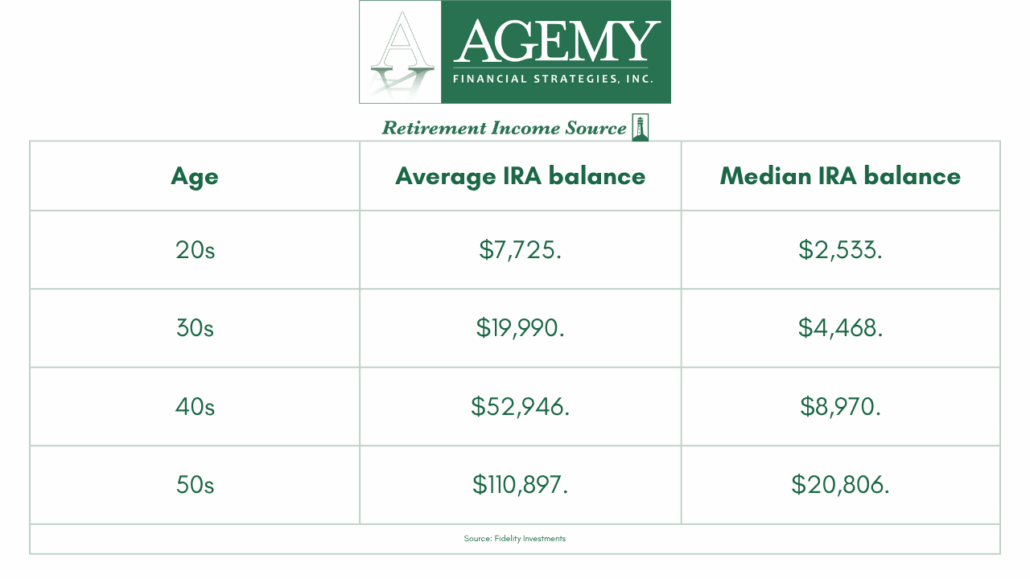
As of 2023, there has been an 11.1% uptick in the number of Americans choosing to open IRA accounts. This surge is reflected in the table below, which shows a total of 13.1 million IRA accounts currently active.

Fiduciary advisor near me

However, SDIRAs open the door to a wider range of assets. With an SDIRA, you can invest in precious metals, commodities, private placements, real estate, and other unique options. This means that managing an SDIRA requires more effort and careful research from the account owner.

Understanding Taxes, Withdrawals and Contributions

Contributions to a self-directed IRA are limited to yearly amounts. In 2023, this amount is $6,500 for individuals under 50, and if you’re over 50, you can add an extra $1,000 as a catch-up contribution.

When you decide to start taking money out, you’ll have to pay regular income taxes unless you’re 59½ or older. If you withdraw any funds before hitting this age, there’s a 10% penalty, and you’ll still owe income tax on what you take out.

Once you reach 73, the IRS says you must begin withdrawing money. The amount you need to withdraw depends on your account balance and life expectancy, following their minimum requirements.

Benefits of Self-Directed IRAs for High Net Worth Retirees

It is common for most high-net-worth retirees to invest a notable portion of their wealth in traditional avenues. Self-Directed IRAs (SDIRAs) present a valuable opportunity to grow your investment portfolio. Here’s a look at some of the benefits SDIRAs can offer:

  • Diversification Opportunity: SDIRAs allow high-net-worth retirees to diversify their investment portfolios beyond traditional stocks and bonds, reducing overall risk exposure.
  • Tax Advantages: Contributions to a traditional SDIRA are usually tax-deductible, and investments grow tax-deferred until retirement withdrawals, benefiting high-net-worth individuals in higher tax brackets.
  • Personalized Investment Options: SDIRAs empower investors to make decisions based on their expertise and preferences, potentially leading to higher returns.

Now that we know about the benefits let’s look at some drawbacks.

Potential Drawbacks of Self-Directed IRAs

Managing SDIRAs can be more intricate than traditional retirement accounts, requiring a deeper understanding of investment options and compliance with IRS regulations. While SDIRAs offer many advantages, it’s important to be aware of their potential drawbacks:

  • Complexity: Managing a self-directed retirement account can be more complex than a traditional IRA. You must adhere to IRS rules and regulations, and certain investments may require additional paperwork and compliance measures.
  • Risk: With greater investment control comes greater responsibility. High net-worth retirees must carefully research and select investments, which can be riskier if not done wisely.
  • Fees: SDIRAs may have higher administrative fees than traditional IRAs, given the need for additional services like custodians or facilitators for certain asset types.

Working with a financial advisor can help you understand the advantages and drawbacks of SDIRAs. They can assist you in making informed decisions about your retirement savings strategy.

Is a Self-Directed IRA Right for You?

Determining whether a Self-Directed Individual Retirement Account (SDIRA) is the right choice for you involves considering various crucial factors. Firstly, your level of investment experience plays a pivotal role; if you possess knowledge in alternative investments like real estate or private equity, an SDIRA may align well with your expertise and interests.

Secondly, assessing your risk tolerance is vital, as self-directed investments carry potential risks that require careful management and due diligence. Lastly, consulting with a financial advisor to understand the tax implications of incorporating an SDIRA into your financial strategy is essential. They can help you learn about the potential tax benefits and associated consequences.

Working With a Financial Advisor

Navigating the complexities of retirement planning, especially with Self-Directed IRAs, can be challenging. Working with an experienced financial advisor becomes crucial to help you navigate this financial realm.

A financial advisor can help you review your investments while accounting for risk management tactics to help ensure they remain in sync with your financial situation. At Agemy Financial Strategies, our team of financial advisors is here to walk you through the process of achieving renewable wealth so that your money can work hard for you and you can reap the benefits of a comfortable retirement. Here are just some of the many ways we can help our clients:

By regularly reviewing and adjusting your plan, you can make informed decisions to help maximize your retirement savings and help ensure financial security for you and your loved ones.

Last Thoughts

Self-Directed IRAs offer a unique way to plan for retirement, especially for those nearing retirement. However, they require careful thought and more active management of your investments.

To see if an SDIRA fits your retirement goals and financial situation, it’s crucial to talk to a financial advisor. Making the right choice can set you up for a successful retirement that helps your finances for years to come.

Start your journey to financial success by scheduling your complimentary strategy session today.

Do you REALLY need Real Estate in your investment portfolio? If you do, what percentage of your portfolio should it cover? Let’s find out. 

Navigating investments at any stage in life can be complex, but the stakes become even higher as retirement approaches. During retirement, the main goal is to minimize risk, generate income, and protect your assets from inflation. So, is real estate a good option for retirement?

The answer is not a one-size-fits-all solution. It depends on various factors unique to your situation. In this blog, we will explore real estate investments for retirees and how you can make informed decisions that align with your goals and needs. Here’s what you should know.

What are Real Estate Investments? 

While many people own the home they live in, generally, that’s not considered a real estate investment. Adding real estate to your portfolio can add diversity and growth to your portfolio without adding significant risk (though, like with all investments, risk is always a factor to consider).

Real estate investments are either active or passive. Active ones, like house flipping or managing rentals, demand your time, effort, and often more money. They can earn more but come with higher risks. Passive ones, like investing in REITs or real estate funds, don’t need you to manage properties and are less hands-on with a smaller initial investment.

The Benefits of Real Estate Investments

Real estate has been a popular form of investment for decades. Whether buying, owning, or managing real estate properties, you can generate income, capital appreciation, or both. Unlike other investment options, real estate often provides a steady and predictable cash flow, making it an attractive choice for individuals searching for a stable income stream.

Even though mortgage rates nationwide have recently become more affordable, as of January 2023, home prices in the United States dropped for the seventh consecutive month. As a result, sellers are finding themselves in a situation where they are more willing to accommodate their buyers’ requests, which can lead to some excellent deals for buyers.

Looking back at historical trends, real estate has consistently demonstrated an inclination to increase in value over time. Although short-term fluctuations may occur, well-located properties tend to see their worth rise over the years, giving investors the opportunity for significant capital gains when they eventually decide to sell.

In addition to these benefits, real estate investments offer valuable tax advantages. These tax benefits can substantially reduce your overall tax liability, further enhancing the financial attractiveness of real estate investments. Now that we have explored the benefits of direct real estate investments, let’s dive into Real Estate Investment Trusts (REITs).

To sum up, the reasons why so many investors choose Real Estate in their portfolio include:

  • Steady cash flow. When you invest in places like homes or certain real estate groups, you get a regular paycheck from tenants.
  • Mixing it up. If you already have money in things like stocks or bonds, adding real estate is like adding a different flavor to your money mix. It doesn’t move in the same way as the others.
  • Tax perks. If you own a rental place, there are some cool tax benefits. For instance, the value drop of the house over time can reduce your tax bill. Some can even use losses from their property to lower their regular taxes.
  • It’s real and useful. Unlike some investments that are just numbers on a screen, real estate is a real thing. Even if its price goes down, someone can still live in it and pay rent.

Consider Real Estate Investment Trusts (REITs) for Your Portfolio

Real estate investment trusts (REITs) offer a unique way for investors to join forces and invest in properties collectively. Think of it as a mutual fund, but it focuses on real estate instead of stocks.

For seasoned investors, REITs can be a valuable addition to their portfolio. However, if you’re starting your investment journey, it’s prudent to concentrate on wealth accumulation before diving into REITs. While dependable REITs are in the market, others rely heavily on debt to acquire properties, elevating the investment risk.

Before venturing into REITs, it’s essential to consult with an investment professional, like a Fiduciary Advisor. They can help you evaluate potential risks and ascertain whether REITs align with your financial objectives and overall investment strategy.

Understanding Risks in Real Estate

While real estate investments offer numerous advantages, they have their fair share of risks and challenges. Here are some key considerations:

  • Market Volatility: The real estate market can be quite unpredictable, with property values susceptible to fluctuations influenced by economic conditions, interest rate changes, and other external factors.
  • Property Vulnerability: Properties can be vulnerable to various threats, including damage or devaluation caused by natural disasters or environmental factors. This risk becomes more pronounced as extreme weather patterns become increasingly common.
  • Financial Hurdles: Real estate investments often require a substantial amount of capital. Investors may encounter difficulties when seeking financing or to manage the debt associated with their investments.
  • Ongoing Management: Successful real estate investments demand ongoing management and maintenance. Investors might encounter challenges finding reliable tenants, efficiently overseeing their properties, and addressing unforeseen expenses.

By understanding these potential risks and preparing accordingly, investors can make more informed decisions and develop strategies to mitigate these challenges, ultimately optimizing the benefits of their real estate investments.

Real Estate in Connecticut

Connecticut boasts a unique blend of natural beauty, a rich history, and a proximity to major cities like New York City and Boston. These factors contribute to a real estate market that has proven to be a stable and potentially lucrative investment opportunity.

Here are some reasons why investing in Connecticut real estate during retirement makes sense:

  • Property Appreciation: Over the years, Connecticut has witnessed steady property appreciation. The number of listings increased by 116.1% in April 2023. From 1,759 in December 2022. This means that the value of your real estate investment is likely to increase over time, providing a source of potential capital appreciation.
  • Stable Rental Market: Connecticut has a strong rental market, making it an ideal place to invest in income-producing properties. Rental income can be a reliable source of passive income in retirement.
  • Diverse Investment Options: Connecticut offers a range of real estate investment opportunities, from residential properties to commercial real estate and vacation rentals. This diversity allows you to tailor your investments to your financial goals and risk tolerance.
  • Tax Benefits: Connecticut offers various tax incentives and deductions for real estate investors, making it more appealing for retirees looking to minimize their tax burden.

Real Estate in Colorado

With our sister office located in Denver, Colorado, we have the inside knowledge and advice if you are considering adding Colorado Real Estate into your portfolio.

  • Scenic Diversity: Colorado’s real estate market offers a stunning array of landscapes, from the bustling cityscapes of Denver to the serene beauty of the Rocky Mountains. Buyers can choose from urban, suburban, or rural settings, catering to various lifestyle preferences.
  • Strong Appreciation: Colorado has experienced consistent real estate appreciation over the years, making it an appealing option for investment. In April 2023, the median sale price dropped by 5.2% compared to the previous year, and there was a 26.6% decrease in the number of homes sold. However, there is a silver lining as new buyers enter the market, thanks to more stable mortgage rates, which currently stand at 6.79%.
  • Tax Benefits: Colorado offers property tax deductions for homeowners, helping to reduce the annual tax burden on real estate for seniors 65 or older who have lived in their homes for at least ten consecutive years. This exemption allows eligible seniors to exempt 50% of the first $200,000 of their property’s value from taxation.
  • Agricultural Land Deductions: If you are a landowner with agricultural property, you could be eligible for agricultural land deductions. These deductions could help reduce property tax assessments for qualifying agricultural properties. The deductions amount to 20% of the resulting lease payments, with a cap of up to $25,000 per year, and can be claimed for a maximum of three years.

The Role of a Fiduciary Advisor

Investing in real estate during retirement can pose complexities, especially for those managing significant portfolios. If you’re seeking a Connecticut-based or Colorado-based Fiduciary Advisor with extensive experience in real estate investments, Agemy Financial Strategies is here to help.

Fiduciary Advisors are legally obligated to prioritize your best interests, delivering impartial advice and recommendations aligned with your financial goals. Our seasoned professionals can help you identify opportunities and make well-informed decisions tailored to your unique needs and objectives.

Our advisors are adept at seamlessly integrating your real estate investments into your comprehensive retirement portfolio, helping to ensure it remains balanced and diversified. To explore our full service offerings, see here.

Final Thoughts

Investors should stay informed about changes in the real estate market and be prepared to adjust their investment strategy accordingly. Partnering with a Fiduciary advisor can help you mitigate risks and take advantage of upcoming opportunities. At Agemy Financial Strategies, you can rest assured knowing you are working with professionals who have your best interests at heart. Our Fiduciaries are here to help you make informed decisions and enjoy a financially secure retirement.

Ready to see if real estate investments are right for you? If you’re ready to start the conversation, contact us today to schedule your complimentary consultation.


Disclaimer: This content is for educational purposes only and should not be considered financial or investment advice. Please consult with the fiduciary advisors at Agemy Financial Strategies before making any investment decisions.

If you’re approaching retirement, you might be familiar with Required Minimum Distributions (RMDs). However, the rules surrounding RMDs are changing, and without proper planning, you could risk IRS-enforced collections. Here’s what you need to know. 

The SECURE 2.0 Act of 2022, enacted Dec. 29, includes almost 100 new retirement plan provisions, many of which aren’t effective yet. But some big changes involving required minimum distributions and related penalty relief are already in effect

Before we delve into the 3-year statute of limitations, let’s briefly recap what RMDs are and why they matter.

What are RMDs?

required minimum distribution (RMD) is the amount of money that must be withdrawn from employer-sponsored retirement plans by owners and qualified retirement plan participants of retirement age.

In 2023, the age at which you must begin taking RMDs changed to 73 years. Account holders must, therefore, start withdrawing from a retirement account by April 1, following the year they reach age 73. The exact age may vary depending on your retirement plan and when you were born.

The IRS uses a specific formula to calculate your RMD, considering your account balance and factors related to life expectancy. In 2023, the RMD table is based on the IRS’s widely-used Uniform Lifetime Table. It’s worth noting that the IRS has additional tables for account holders and beneficiaries whose spouses are considerably younger.

SECURE 2.0 Shakes Things Up for RMDs

The Securing a Strong Retirement Act of 2022, known as SECURE 2.0 Act, made some changes to the rules about when and how people need to take out money from their retirement plans to avoid being hit with extra taxes.

These changes were designed to make things easier for retirees by giving them more time to file, removing certain requirements, and lowering penalties if they make a mistake. Some of these updates are already in place, and others will start in the coming years, with the last ones kicking in by 2033. The main changes to RMDs include:

1. Changes to the Participant’s RMD Age (Effective in 2023)

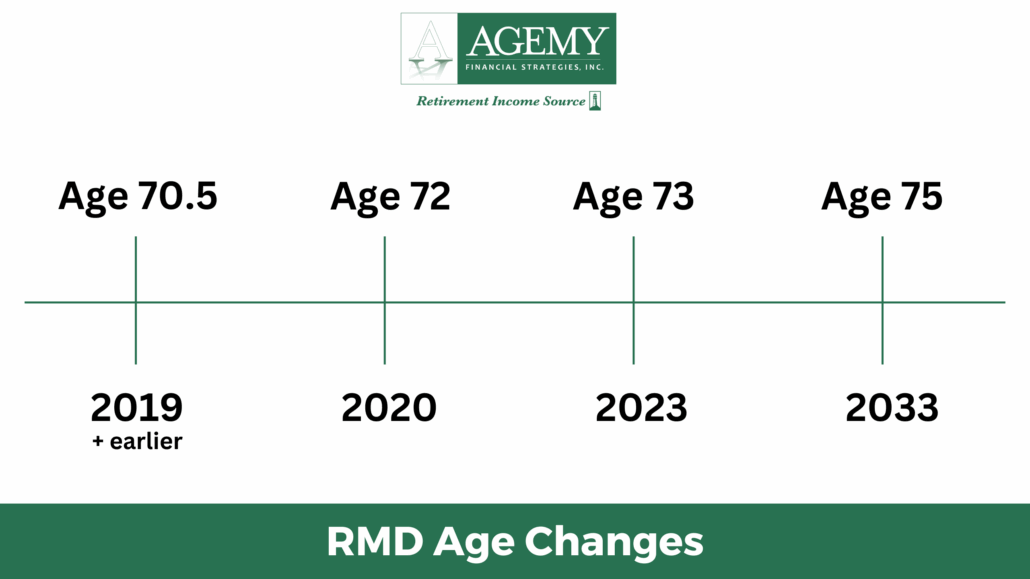
Under the SECURE Act of 2019, the RMD age for a terminated participant increased from 70½ to 72 effective in 2020. SECURE 2.0 again changes the RMD age to 73 in 2023, and ultimately to age 75. The chart below highlights the changes to the RMD age at relevant points in time.

Required Minimum Distributions (RMDs)

2. No RMDs Required from Roth Accounts (Effective in 2024)

For 2024 and later years, RMDs are no longer required from designated Roth accounts. You must still take RMDs from designated Roth accounts for 2023, including those with a required beginning date of April 1, 2024. You can withdraw more than the minimum required amount.

3. Removing RMD Barriers to Life Annuities

The rules for Required Minimum Distributions are designed to prevent individuals from deferring taxes for too long, and one way they achieve this is by limiting annuity contracts from providing small initial payments that grow excessively over time. However, in practice, these rules can sometimes restrict even minor increases in benefits. But now, Congress is working to make annuity contracts in defined contribution plans more appealing.

Section 201 of the Act allows commercial annuities purchased under 401(k) and other defined contribution plans, as well as IRAs, to offer the following:

  1. Increases in payments of up to 5% per year.
  2. The option to receive certain lump sums that replace future distribution payments.
  3. The ability to accelerate up to 12 months’ worth of payments.
  4. Reasonable dividend payments.
  5. Death benefits that are equal to the cost of the annuity, reduced by previous payments.

4. Reduction in Excise Tax for RMD Errors

Despite regularly appearing on the list of priorities for tax-exempt and government entities’ compliance, it’s not unusual for people to make mistakes when it comes to Required Minimum Distributions (RMDs).

Up to now, one of the largest penalties in the Tax Code was the 50% penalty for not taking an RMD. It was based on the RMD amount that should have been taken but wasn’t.

SECURE 2.0 lowers this penalty to 25%, and then to 10% if the missed RMD is timely made up.

What is the Statue of Limitations?

The statute of limitations is the time limit for the IRS to file charges or collect back taxes. In general, a statute of limitations is a law (statute) that limits how far back you can go when assessing a penalty, charging someone with a crime, or taking other actions. There are different statutes of limitations for different types of tax issues.

RMDs and the 3-Year Statute of Limitations

There is now a three-year statute of limitations associated with the failure to take a required minimum distribution (RMD) from a retirement account. Overlooked when the SECURE Act 2.0 was enacted was Section 313 of the Act, which added a 3-year statute of limitation for the failure to take an RMD. If an RMD is missed, the 25% penalty is only applicable for the next three years. So what happens after those three years have passed?

The statutes of limitations not only limits the IRS in assessing additional tax on returns filed, but it also limits the amount of time you have to claim a refund or credit due. If the three-year deadline for filing has passed, the IRS, by law, cannot issue your refund.

IRS Form 5329 is a tax form used for reporting retirement plan penalties and requesting a waiver of the RMD penalty. As mentioned above, in the past, not filling out this form for penalty relief meant that the three-year statute of limitations wouldn’t start, resulting in a hefty 50% excise tax. However, thanks to the SECURE 2.0 Act, this tax has been reduced to 25%, and it could drop to 10% if you take action to withdraw the missed RMD within two years.

To solve this problem, the SECURE 2.0 Act introduced a statute of limitations tied to when individual files their federal income tax return, Form 1040. If no federal income tax return is required, the statute period begins on what would have been the tax filing deadline. This new statute of limitations covers missed RMDs for three years and excess IRA contributions for six years but doesn’t apply to early distributions.

Form 5329 left the statute of limitations open indefinitely, allowing penalties and interest to accumulate unnoticed. A positive outcome happened once Congress addressed the issue. However, even with these changes, there are still exceptions retirees should make note of.

Exceptions to the Rule

While the 3-year statute of limitations relieves many retirees, it’s essential to be aware of exceptions. Not all missed RMDs qualify for this extended correction period. Here are some important exceptions:

  1. Extended Statute for Excess IRA Contributions: The SECURE 2.0 Act extends the statute of limitations to 6 years for the 6% excess IRA contribution penalty. However, this relief is unavailable if an IRA has acquired property below its fair market value, and the statute of limitations remains indefinite if Form 5329 isn’t filed.
  2. Expansion of IRS Self-Correction Program: SECURE 2.0 broadens the IRS self-correction program, known as the Employee Plans Compliance Resolution System (EPCRS), to include inadvertent individual retirement account errors, including a waiver for failure to take RMDs. Note that self-correction for IRAs under EPCRS may not be available for two years, as SECURE 2.0 grants the IRS that timeframe to guide this matter.
  3. Elimination of RMDs for Roth 401(k)s: SECURE 2.0 brings welcome relief by eliminating required minimum distributions (RMDs) for Roth 401(k)s and other employer Roth plans. While Roth IRAs were never subject to lifetime RMDs, Roth 401(k)s were. Starting in 2024, individuals will not need to roll over Roth 401(k) funds to a Roth IRA to avoid RMDs, as these funds will be exempt from RMDs.

Working With a Fiduciary Advisor

It’s important to understand how the recent law changes affect your IRA. One of the more relevant topics IRA owners should be aware of is a Required Minimum Distribution (RMD). Partnering with a trusted Fiduciary Advisor can play a crucial role in helping you manage your RMDs effectively so you meet your legal obligations while optimizing your financial situation. They can also offer tailored guidance to help maximize your retirement savings while following IRS rules.

You don’t have to battle the confusing regulations for certain required minimum distributions alone. From advice on understanding your specific RMD obligations, to helping you explore tax-efficient ways to manage your RMDs, Agemy Financial Strategies works alongside you to assess your retirement income needs and create a plan for your unique needs and goals.

Final Thoughts

This 3-year statute of limitations provision is yet one more reason why we anxiously await proposed Regulations from the IRS with respect to how the SECURE Act 2.0 will be interpreted. There are several other provisions in the Act that need a lot of clarification. A solid understanding of Required Minimum Distributions is essential for anyone with tax-advantaged retirement accounts. Failing to comply with RMD rules can result in costly penalties, potentially derailing your retirement plans.

By staying informed about when RMDs apply, how they’re calculated, and your options for managing them, you can confidently navigate this aspect of retirement planning. If you’re ready to take the first step to achieving your retirement goals, our team is here to assist you. The better you comprehend your financial strategy, the more effectively you can manage your finances.

For a detailed list of our service offerings, see here.

Set up your complimentary retirement strategy session today.


Disclaimer: This content is for educational purposes only and should not be considered financial or investment advice. Please consult with the fiduciary advisors at Agemy Financial Strategies before making any investment decisions.

Breaking a leg, needing heart surgery, or suffering from chronic illnesses like diabetes and arthritis: What hurts the most as you age? While all of these medical incidents include extreme suffering, the biggest pain you could face in retirement is covering healthcare costs.

Planning for healthcare in retirement can be daunting, as it often comes with substantial costs that need careful consideration.

Health insurance premiums typically account for most retirees’ yearly healthcare expenses, making up around 70% to 81%. While most premiums can be managed using your monthly retirement income and federal healthcare programs, not being ready for unexpected out-of-pocket expenses can derail your retirement.

To navigate this complex landscape, you need the right strategy in place. Here’s how you can secure a financially stable and healthy retirement.

Assess Your Current Health and Healthcare Needs

The percentage of people in the United States who are 65 years and older has increased noticeably in recent years. And it’s expected to reach 20% of the US population by 2030. Because folks 65 and older typically spend more on healthcare than any other age group, this increase in older Americans will likely increase healthcare costs in the long run.

Assessing your current health and healthcare needs is a crucial initial step when planning for predicted costs in retirement. This process involves taking stock of your current well-being, as well as anticipating potential health issues in the future:

  1. Evaluate Your Current Health Status: Consider factors such as your overall physical fitness, existing medical conditions, family genetic disorders, and general well-being. Are you in good health or do you have any ongoing health concerns? Understanding your health status and potential issues down the road provides a baseline for future planning.
  2. Medical History: Take note of any surgeries, hospitalizations, or significant health events you have experienced. Understanding your medical history can help you anticipate potential health issues or complications that may arise as you age. Take note of any hereditary illnesses or conditions in your family, as these may influence your health outlook and potential healthcare costs.
  3. Chronic Conditions: If you have any chronic health conditions, assess their severity and the ongoing treatment they require. Chronic conditions often demand regular doctor visits, medications, and specialized care, all of which can significantly impact your healthcare expenses in retirement.
  4. Lifestyle Factors: Consider your lifestyle choices, such as diet, exercise, and stress management. As you age, these factors can substantially impact your overall health and healthcare needs.

By thoroughly assessing your past, present, and potential future health and healthcare needs, you’ll be better prepared to make informed decisions about your retirement healthcare budget. This process can also help you explore options for health insurance, long-term care insurance, and other financial strategies to ensure you have adequate resources to cover your healthcare expenses in retirement.

It’s essential to periodically revisit and adjust your healthcare plan as your circumstances change.

Understanding Medicare Coverage

Medicare is a federal health insurance program designed for those aged 65 and older, along with some younger individuals with disabilities. This coverage ranks as the second-largest program in the federal budget. After accounting for offsetting receipts in 2022, its expenditures reached $747 billion, 12 percent of the total federal spending.

As of March 2023, The Centers for Medicare & Medicaid Services (CMS) released the latest enrollment figures. As of March 2023, a noteworthy 65,748,297 individuals have become beneficiaries of Medicare. This number underlines how significant this coverage is, with nearly 100,000 more people enrolling since the previous report in September.

Medicare comprises four distinct parts, labeled A, B, C, and D, each addressing specific aspects of healthcare. Let’s look deeper at the different parts of Medicare to understand what it covers.

  • Medicare Part A: Often referred to as hospital insurance, Part A covers inpatient hospital stays, skilled nursing facility care, hospice care, and some home healthcare services.
  • Medicare Part B: As medical insurance, Part B covers outpatient care, doctor’s visits, preventive services, and medical supplies like durable medical equipment.
  • Medicare Part C (Medicare Advantage): These are private health insurance plans approved by Medicare, offering the same coverage as Parts A and B, often with added benefits such as prescription drug coverage and dental services.
  • Medicare Part D: This is the prescription drug coverage plan, available through private insurance companies, that helps cover the cost of prescription medications.

While Medicare provides substantial coverage, it’s important to know that it doesn’t cover everything. Many retirees opt for supplemental Medigap insurance or Medicare Advantage plans to fill the gaps. But you may need additional coverage beyond these plans.

Exploring Long-Term Care

Effective insurance planning can help preserve your retirement savings while ensuring you’re prepared for this crucial aspect of your healthcare needs. One of the most significant potential healthcare expenses in retirement is long-term care. Someone turning 65 today has almost a 70% chance of needing some type of long-term care services and support in their remaining years.

Planning for this expense is crucial, as Medicare only covers limited long-term care costs under specific conditions. According to a Genworth survey, the median cost for a private room in a nursing home exceeds $100,000 annually, while an in-home health aide could cost $60,000 or more annually.

Some individuals self-fund their long-term care expenses by relying on retirement savings, investments, and other assets. However, this can be risky, as long-term care costs can quickly deplete these resources. Developing a comprehensive retirement plan that accounts for potential long-term care needs is essential.

A long-term care insurance policy helps cover the costs of that care when you have a chronic medical condition, disability or disorder such as Alzheimer’s disease. Most policies will reimburse you for care given in a variety of places, such as:

  • Your home.

  • A nursing home.

  • An assisted living facility.

  • An adult day care center.

Considering long-term care costs is an important part of any long-range financial plan. But don’t wait: you won’t qualify for long-term care insurance if you have a debilitating condition, and long-term care insurance carriers won’t approve most applicants older than 75. Most people with long-term care insurance buy it in their mid-50s to mid-60s.

By taking a detailed approach to healthcare coverage in your retirement plan, individuals can help ensure they have the resources necessary to pay for the care they may require. Given the complexity of long-term care planning, consulting with a financial advisor can be valuable in developing a personalized strategy that addresses your unique needs and circumstances.

Working With a Financial Advisor

Healthcare costs and your health needs can change over time. It’s essential to regularly review and update your retirement healthcare plan to ensure it aligns with your current situation. Working with a Financial Advisor can help you navigate the complex world of healthcare costs and retirement savings strategies.

At Agemy Financial Strategies, our team of Fiduciary Advisors helps individuals navigate the complexities of long-term care planning. We’ll evaluate your current financial and healthcare situation, identify potential risks, and develop a personalized plan to meet your long-term care needs.

By recognizing that healthcare costs can pose a significant threat to your retirement nest egg, we will identify potential risks and costs associated with your health and insurance needs. This includes factors like inflation, potential health changes, and the impact of long-term care expenses on your savings.

Our trusted Financial Advisors will provide you with ongoing support by regularly reviewing your retirement plan and making necessary adjustments so you can enjoy your retirement years without worry.

Final Thoughts

Securing an enjoyable retirement requires careful planning–especially with today’s monumental healthcare expenses. By gaining insights into the healthcare cost landscape, you can proactively prepare yourself for these financial setbacks in your golden years.

If you’re seeking assistance crafting a retirement plan that considers hidden healthcare costs, speak with your dedicated Fiduciary advisors at Agemy Financial Strategies. We can help you decide what insurance plans are the best option for you.

If you’re ready to get started, contact us today and schedule your complimentary strategy session here.


Disclaimer: This content is for educational purposes only and should not be considered financial or investment advice. Please consult with the fiduciary advisors at Agemy Financial Strategies before making any investment decisions.