Posts

As Bitcoin and other cryptocurrencies continue to gain mainstream attention, more Americans are considering the role of digital assets in their retirement portfolios.

The volatile nature of cryptocurrencies, combined with their potential for substantial gains, has piqued the interest of investors seeking alternative ways to secure their financial future. In this blog, we’ll explore the intersection of Bitcoin and retirement and discuss how a financial advisor can be a valuable resource in helping you make informed decisions. Here’s what you should know.

What is Cryptocurrency?

Cryptocurrency is a digital or virtual currency that relies on cryptography for security. During the first half of 2023, Bitcoin (BTC) and various other cryptocurrencies have rebounded following significant losses experienced in 2022. Nevertheless, the prolonged “crypto winter” (which some experts say is now over) has revealed vulnerabilities within the digital currency landscape, such as excessive risk-taking, the promotion of illegal securities, and even fraudulent activities.

Unlike traditional currencies issued and regulated by governments*, cryptocurrencies operate on blockchain decentralized technology. This technology helps provide transparency and immutability of transactions. (*The sale of cryptocurrency is generally only regulated if the sale (i) constitutes the sale of a security under state or federal law, or (ii) is considered money transmission under state law or conduct otherwise making the person a money services business (“MSB”) under federal law.)

One of the most well-known cryptocurrencies is Bitcoin, but thousands of others have unique features and use cases. Investors can use cryptocurrencies for various purposes, including online purchases and investment, and to transfer value across borders quickly and with lower transaction fees than traditional financial systems.

Close to 44% of U.S. adults who’ve started saving for retirement say they have invested part of their retirement savings in cryptocurrency. Nearly half of these people indicated they had invested a “big” part of their retirement funds in crypto. It’s essential to recognize that cryptocurrencies also come with volatility and regulatory considerations that users must be aware of.

Why is Crypto an Appealing Investment for Retirees

Since its inception in 2009, the pioneering cryptocurrency, Bitcoin, has exhibited extraordinary growth. Starting from virtually nothing, it surged to reach peaks exceeding $60,000 per Bitcoin in 2023, attracting the attention of both individual and institutional investors. The idea of using Bitcoin as a potential retirement asset has gained traction for several reasons:

  1. Diversification: Traditional retirement portfolios often include stocks, bonds, and real estate. Adding Bitcoin to the mix can provide diversification, as cryptocurrencies tend to have a low correlation with traditional assets, which has the potential to reduce portfolio risk.
  2. Hedge Against Inflation: Many investors view Bitcoin as a hedge against inflation, similar to gold. With central banks worldwide injecting stimulus money into economies, concerns about the devaluation of fiat currencies have grown. Bitcoin’s fixed supply (limited to 21 million coins) can protect your wealth from currency devaluation.
  3. Potential for High Returns: Bitcoin’s price history has been marked by significant volatility but has also seen substantial long-term gains.

Some investors hope to capitalize on this growth potential to boost their retirement savings. However, it’s important to use caution as digital assets can be risky investments. Consult with a financial advisor experienced in Crypto to help you align cryptocurrency investments with your unique retirement goals and risk tolerance.

Risk vs. Reward

Cryptocurrency has generated a lot of buzz in recent years, with some investors reaping substantial profits. However, it’s crucial to understand that investing in crypto is not without its risks, and it may not be the right choice for everyone.

One of the most significant concerns with cryptocurrency is its extreme price volatility. Prices can skyrocket one day and plummet the next. Its volatility is often driven by factors like market sentiment, regulatory developments, or technological advancements. This can lead to significant gains but also substantial losses.

Since the cryptocurrency market is relatively new, it lacks the comprehensive regulation seen in traditional financial markets. This means that investors have fewer protections. In fact, hackers stole $400 million of crypto in the first three months of 2023. Security professionals celebrated that number because it’s 70% less than what was stolen in the first three months of 2022.

Assessing your risk tolerance is a pivotal step when considering cryptocurrency investments, especially during retirement. Making ill-informed decisions in the crypto market could potentially jeopardize your hard-earned nest egg. However, working with the right financial advisor can help you understand your risk tolerance and explore the best investments based on your unique needs and financial goals.

How a Financial Advisor Can Help

While Bitcoin may have its appeal, it’s important to remember that it is a highly speculative and risky asset. But with great risk comes the potential for great returns.

“If you invest 2% of your savings and lose it, those savings can eventually be replaced. But if you invest 2% with a 10X return, it’s a game changer for your golden years…” said Daniel J. Agemy, CPM®, RFC®,  Chief Investment Officer at Agemy Financial Strategies. With over a decade of portfolio management under his belt, Daniel is well-versed in the alternative ways of helping retirees and pre-retirees generate income streams that last throughout their retirement years.

Daniel continues, “As a fiduciary, I believe that seeking guidance for investment advice is essential because it means we are not just committed to your financial success; we are legally bound to always put your interests first, providing you with personalized and trustworthy support on your financial journey.”

For more valuable insights from the investing world, including cryptocurrency investing, Daniel and his father, Andrew A. Agemy, MRFC®, Founder and CEO
Investment Advisor at Agemy co-hosts the wildly popular radio show and YouTube podcast Financial Strategies, which airs every weekend in Connecticut and Colorado and is available wherever you listen to your favorite podcasts.

Advice You Can Trust

At Agemy Financial Strategies, we want you to know that we are committed to helping you achieve your retirement goals.

Here’s a breakdown of how our experienced advisors can play a crucial role in helping you integrate Bitcoin into your retirement plan:

  • Risk Assessment: We can evaluate your risk tolerance and financial situation to help determine whether Bitcoin is a suitable addition to your retirement portfolio. We will help you understand the potential risks and rewards in your investment choices.
  • Asset Allocation: Our fiduciaries will assist you in determining the appropriate allocation of Bitcoin within your overall retirement portfolio; helping you maintain a balanced, diversified approach that aligns with your financial goals.
  • Tax Implications: Cryptocurrency taxation can be complex, and tax laws can vary from one jurisdiction to another. Agemy Financial Strategies can help you navigate the tax implications of buying, holding, and selling Bitcoin in the context of your retirement plan.
  • Long-Term Strategy: Crafting a long-term strategy for your retirement is essential. Our dedicated team of fiduciary advisors can help you set realistic goals, review your plan periodically, and make necessary adjustments to your financial well-being in retirement.

The path to wealth accumulation is marked by a commitment to slow and steady progress, and the realm of cryptocurrency remains shrouded in uncertainty. Could cryptocurrency emerge as a more mainstream investment option in the future? That possibility exists. However, having a skilled financial advisor by your side can help ensure that you navigate this dynamic landscape with levelheadedness.

Final Thoughts

Bitcoin’s potential as a retirement asset is a growing interest, but it’s important to approach it with caution and careful planning. At Agemy Financial Strategies, we are dedicated to helping clients navigate the intricacies of planning for retirement to help ensure you never outlive your savings. Our fiduciary advisors can be a valuable resource in helping you navigate the cryptocurrency landscape, assess the risks, and integrate Bitcoin into your retirement strategy to align with your financial goals and risk tolerance.

If you’re ready to explore the world of cryptocurrency investing, contact us today to set up your complimentary consultation here.


Disclaimer: This content is for educational purposes only and should not be considered financial or investment advice. Please consult with the fiduciary advisors at Agemy Financial Strategies before making any investment decisions.

Planning for retirement is a complex journey, with numerous factors influencing your financial security. While a single issue may not derail your plans, a combination of common yet often overlooked risks can significantly impact your retirement outlook.

A recent study found that nearly half of American households could run out of money in retirement if they cease working at 65. Understanding these hidden threats and taking proactive steps to mitigate them can mean the difference between a secure, fulfilling retirement and one filled with financial stress.

In this blog, we’ll uncover five major risks to your retirement that you won’t want to ignore. We will share how tips for strategic planning can help you navigate these challenges, allowing you to retire on your terms with more confidence and peace of mind.

1. Poor Asset Allocation: Finding the Right Balance 

Improper asset allocation is one of the biggest risks to retirement savings. Many assume retirement demands a dramatic shift to conservative investments like bonds or cash equivalents. While reducing risk is wise, going too conservative can also hinder your savings growth, leaving you vulnerable to inflation. 

A recent study was conducted to gain insight into investors’ alternative investments in workplace retirement savings plans. The study revealed solid interest in private assets despite a significant knowledge gap. Among those who expressed interest in private investments, most would take a measured approach with their retirement plan allocations (Schroders):

  • 52% would allocate less than 10% to private assets.
  • 34% would commit between 10-15%.
  • 8% would invest more than 15%.
  • 6% are unsure how much they would allocate to private assets.

The ideal asset mix depends on individual goals, time horizon, and risk tolerance. Partnering with a fiduciary advisor can help you find the optimal balance and craft a plan that adapts to market conditions and personal changes. This approach can help keep your portfolio resilient and aligned with long-term goals.

2. Running Into Unexpected Expenses

When unexpected expenses arise, they can significantly affect your long-term financial health, particularly in retirement. These unplanned costs can quickly deplete your retirement savings, whether it’s a medical emergency, family support, or sudden home repairs. Nearly 6 in 10 (59%) U.S. adults feel unprepared for financial emergencies, indicating a widespread need for better financial planning.

This highlights the importance of a well-structured emergency fund. An emergency fund acts as a financial buffer, allowing you to manage surprise expenses without jeopardizing your retirement accounts. Building and maintaining this fund requires careful planning. With professional support, you can establish a cushion that shields your retirement savings from unplanned withdrawals, helping ensure your long-term financial security stays intact.

3. Being Part of the Sandwich Generation

The “Sandwich Generation” refers to adults simultaneously supporting aging parents and children, a responsibility that can strain financial resources and delay retirement goals. Juggling these family obligations often means taking on additional healthcare, education, and living expenses, leaving less room for retirement savings. 

In fact, 90% of Sandwich Generation adults report making a lifestyle change or financial decision because of caregiving responsibilities. Setting boundaries and establishing a structured financial plan is essential for those in this position. Prioritizing retirement savings while supporting family members can help safeguard long-term financial security.

A fiduciary advisor can provide valuable support by developing a balanced plan tailored to your situation. This personalized guidance can make a significant difference in helping maintain financial stability for both your loved ones and your future.

4. Long-Term Care Expenses: Protecting Against Rising Healthcare Costs

Long-term care remains a significant concern for retirees, with the U.S. Department of Health and Human Services estimating that 70% of people turning 65 will need some form of long-term care in their lifetime. Unfortunately, Medicare provides limited coverage for these services, and long-term care insurance can be costly. Planning for these potential expenses is crucial to helping safeguard your retirement savings.

The 2024 American Association for Long-Term Care Insurance (AALTCI) annual Price Index survey shows that the average annual premium for a $165,000 benefit policy without inflation protection is $950 for a single 55-year-old male and $1,500 for a single 55-year-old female. For a 55-year-old couple, the average combined annual premium reaches $2,080. These figures highlight the financial impact of securing long-term care coverage and the importance of including these costs in retirement planning.

A fiduciary advisor can help you navigate various funding options for long-term care, such as health savings accounts (HSAs), hybrid insurance policies, and setting aside dedicated assets within your retirement plan. With a fiduciary’s guidance, you’ll have access to strategies designed in your best interest, helping ensure these costs won’t drain your retirement funds and that you’re better prepared for the future.

5. Ignoring the Impact of Inflation 

One of the most common yet underestimated threats to retirement savings is inflation. Over time, inflation erodes the purchasing power of your money, meaning that the same dollar buys less and less each year. For example, if inflation averages just 3% annually, in 20 years, you’ll need nearly twice as much money to maintain the same standard of living. For retirees, this steady cost increase can severely strain savings, particularly when living on a fixed income.

Ignoring inflation’s impact on retirement planning can lead to a financial shortfall when it matters most. Understanding the long-term impact and incorporating strategies to help protect your purchasing power is essential. Working alongside a fiduciary can help you build a portfolio that includes inflation-resistant assets aimed at outpacing inflation over time. By planning and adjusting your portfolio as needed, you can retain the ability to meet rising costs without compromising your financial security in retirement.

Planning for a Secure Retirement with Agemy Financial Strategies

A secure retirement doesn’t happen by chance; it requires proactive planning and a clear understanding of the risks that lie ahead. Andrew Agemy, Owner and CEO of Agemy Financial Strategies, emphasizes the importance of a client-focused approach. “Our focus is on serving our clients with an educational process and listening with our hearts, not just our ears. This empowers our clients to make and realize their own solid financial decisions and allows them to remain in control.”

Here is how our team can help you navigate these challenges with confidence:

  • Customized Plans: Every individual has unique retirement goals and concerns. We work closely with you to develop a plan tailored to your financial situation.
  • Comprehensive Risk Management: From asset allocation to healthcare costs, we address each aspect of retirement to help ensure you’re prepared for potential risks.
  • Ongoing SupportRetirement planning is an evolving journey. As market conditions and personal circumstances change, we adjust your strategy to align with your goals.

With Agemy Financial Strategies by your side, you can build a retirement plan designed to empower you and support a financially secure future.

Final Thoughts

Understanding and addressing these five critical retirement risks can make a significant difference in securing a comfortable, worry-free future. By taking proactive steps to help protect your savings and working with a knowledgeable fiduciary advisor, you can be better prepared to navigate unexpected challenges and achieve your retirement goals.

At Agemy Financial Strategies, we’re committed to helping you build a retirement plan that aligns with your vision and financial needs. With our personalized approach, you can plan confidently, knowing you’re well-prepared for the future.

Contact us today to start planning a retirement that fulfills your dreams and provides peace of mind.

Frequently Asked Questions

Q: How can I be sure my retirement plan is on track?
A: Regularly reviewing your retirement plan is essential to staying on course. At Agemy Financial Strategies, we offer ongoing support and periodic reviews to help your plan adapt to changes in market conditions, tax laws, and your personal financial situation. These reviews help you stay aligned with your long-term goals.

Q: What if I don’t know how much I’ll need for retirement?
A: Determining your retirement income needs is a common challenge. Our team at Agemy Financial Strategies helps you estimate these needs by examining your current expenses, desired lifestyle, and potential future costs like healthcare and long-term care. This process gives you a clearer picture of the savings required to maintain your lifestyle.

Q: How do you approach healthcare and long-term care costs?

A: Healthcare and long-term care expenses can be significant in retirement. We explore various options with you, including health savings accounts (HSAs), long-term care insurance, and retirement assets earmarked for medical needs. Planning for these costs in advance helps reduce their impact on your savings.

Q: How does Agemy Financial Strategies help manage inflation risks?

A: Inflation can erode the purchasing power of your savings over time. To combat this, we build inflation-resistant elements into your portfolio, such as stocks, bonds, and other investments that aim to outpace inflation. This approach helps protect your wealth and maintain your standard of living in retirement.

Q: What is the advantage of working with a fiduciary advisor?

A: As fiduciary advisors, we are legally and ethically committed to putting your best interests first. This means that all our recommendations are based solely on what’s best for you, with no conflicts of interest. Our goal is to provide transparent, objective guidance to help you achieve a secure and fulfilling retirement.


Disclaimer: The information provided in this blog is for educational purposes only and should not be taken as specific retirement or investment advice. Retirement and investment strategies should be tailored to each individual’s financial situation, goals, and risk tolerance. Before making any changes to your retirement investments, consult our qualified advisors to ensure these decisions align with your personal retirement objectives.

Given the volatile year we’ve encountered, checking in on your retirement plan may make a lot of sense this December. 

As we approach the end of the year, it’s the perfect time for retirees to conduct a comprehensive financial checkup. December is not just a month for holiday cheer; it’s also an opportune moment to ensure your financial health is in excellent shape for the year ahead. In this article, we’ll explore the importance of a December financial checkup and provide valuable insights from the team here at Agemy Financial Strategies to help you navigate this crucial process.

Review Your Retirement Goals

Before diving into the nitty-gritty of your finances, take a step back and review your retirement goals. Are you on track to achieve what you set out to accomplish? Have there been any significant life changes that require adjustments to your financial plan? Whether it’s traveling more, supporting grandchildren, or simply enjoying a comfortable retirement, ensure your goals align with your current circumstances.

Sometimes, a few changes to your plan now can help you cross the finish line, even if market conditions are less than fully cooperative. Are you doing even better than anticipated? Maybe now is a good time to reduce your risk exposure to lock in that progress and protect against future market volatility.

Agemy Tip: Use our free online retirement goal calculators and other retirement resources here to evaluate your progress and make necessary adjustments.

Assess Your Investment Portfolio

A key component of any financial checkup is assessing your investment portfolio. Review your asset allocation to ensure it aligns with your risk tolerance and retirement timeline. December is an excellent time to rebalance your portfolio if necessary, as it can help you stay on track to meet your long-term financial objectives.

Agemy Tip: Our fiduciary advisors offer educated investment advice to help you analyze your investment portfolio’s performance and make informed decisions.

Tax Planning

December is your last chance to make tax-efficient moves for the year. Explore opportunities to minimize your tax liability by considering strategies such as tax-loss harvesting, maximizing contributions to tax-advantaged accounts, and reviewing potential deductions or credits.

Agemy Tip: These strategies can be complex; our team is well-versed in tax planning and can help you implement them.

Social Security and Medicare

Retirees must also consider Social Security and Medicare in their financial checkup. Are you eligible for Social Security benefits, and have you maximized your claiming strategy? Review your Medicare coverage to ensure it meets your healthcare needs. And don’t forget to cover Long-Term Care in your retirement plan.

Agemy Tip: If you need assistance navigating the complexities of Social Security, Medicare, or Long-Term Care planning, see here.

Emergency Fund and Insurance

As you head into retirement, having an adequate emergency fund and appropriate insurance coverage becomes paramount. Ensure you have enough cash reserves to cover unexpected expenses and review your insurance policies to make sure they adequately protect your assets and loved ones.

Agemy Tip: Explore our guide on building an emergency fund here and choosing the right insurance coverage here.

Estate Planning

Preparing for life after retirement involves much more than financial considerations. An estate plan ensures that your assets are protected and distributed according to your wishes, minimizing the burden on your loved ones and leaving a lasting legacy. Review your will, trusts, and beneficiary designations to ensure they align with your wishes. Consider consulting with Agemy’s estate planning professionals to make any necessary updates.

Agemy Tip: Agemy Financial Strategies offers valuable insights into estate planning; for more information on estate planning for the new year, see here.

Set Up an Annual Review

An annual financial review gives you a chance to evaluate your financial position. Many changes can affect your investments during the course of a year. It’s important to monitor your retirement and investment accounts regularly and make adjustments annually to stay on track.

You can schedule an appointment with a fiduciary advisor at any time of the year, but if it’s been a while since you last spoke with one (or have never spoken with one), you may be due for an end-of-year review. You should consider chatting with a fiduciary, especially if you have major life changes coming up in the new year — like a move to a new state, a home purchase, or even need changes to beneficiaries in your estate plan — so they can help you create a solid financial plan for those events.

Agemy Tip: We understand that annual reviews are an important part of anyone’s retirement plan. We strive to provide comprehensive advice and guidance so that you can make informed decisions about your investments, estate plans, and other financial strategies. Let us help you chart the path to a secure financial future with a complimentary strategy session here.

Conclusion

A December financial checkup is a vital step in maintaining your financial wellness. By reviewing your retirement goals, assessing your investment portfolio, planning for taxes, optimizing Social Security and Medicare, and addressing other financial aspects, you can set the stage for a financially secure and worry-free retirement. Agemy Financial Strategies’ resources and tools can be invaluable in this process, providing you with the guidance you need to make informed decisions and secure your financial future.

Checking in on your retirement plan doesn’t just entail making sure you are saving enough money. It also means helping ensure the savings you’ve worked so hard to accumulate will be there when you need it. Remember, it’s never too late to take control of your finances and make adjustments as needed. Start your December financial checkup today, and may you enjoy a prosperous and stress-free retirement in the coming year.


Disclaimer: This content is for educational purposes only and should not be considered financial or investment advice. Please consult with the fiduciary advisors at Agemy Financial Strategies before making any investment decisions.

Longevity is rewriting the retirement rulebook. With Americans reaching age 65 now expecting to live an additional 20 years on average, and nearly one in seven making it past 95, the need for a reliable, long-lasting income has never been more critical. 

Building wealth and creating a steady income stream to support you through the decades ahead becomes essential as retirement approaches. In this blog, we will explore effective income strategies and provide valuable insights for those looking to create a financial foundation that endures the test of time. Here’s what you need to know.

Why Income-Generating Investments Are Crucial for a Long Retirement

As life expectancy rises, retirement planning must adapt to ensure financial resources endure. Traditional savings alone may fall short of keeping up with inflation and unexpected expenses, making it crucial to incorporate income-generating investments. Designed to provide regular cash flow rather than solely relying on appreciation, these investments play a vital role in maintaining financial stability.

By including income-generating assets, investors nearing retirement can sustain their lifestyle and cover ongoing expenses without eroding their principal savings. Here are some common investment vehicles that can help generate steady income:

  • Bonds and Bond Funds
  • Dividend-Paying Stocks
  • Real Estate Investments
  • Certain Annuities

Building a sustainable portfolio designed for consistent income can help you gain peace of mind, knowing you have the financial support to handle a longer retirement and the unexpected costs that may come with it. Working with an advisor can help you select the right investment based on your unique financial situation.

Building a Diversified Portfolio for Stability

Diversification is key to helping reduce risk while generating income from investments. By spreading investments across different asset classes—such as stocks, bonds, real estate, and alternative assets—investors can help protect themselves from market volatility and enhance the potential for steady income. Here’s a look at some advantages of a diversified portfolio:

  • Risk Reduction: Each asset class performs differently depending on market conditions. By diversifying, investors can help reduce their risk exposure when one asset class experiences a downturn.
  • Income Consistency: Different asset classes generate income at various intervals. Combining them can lead to more consistent income, as one investment’s income may offset another’s downturn.
  • Adaptability: As market conditions change, a diversified portfolio allows investors to rebalance and adjust their holdings to help maintain income levels and financial goals.

Evaluating Fixed-Income Securities for Reliable Cash Flow


Fixed-income securities, such as bonds and bond funds, are often the cornerstone of income-focused portfolios for retirees. They offer regular interest payments that can help provide a predictable income stream, particularly appealing to those nearing or in retirement. Fixed-income securities can vary significantly regarding risk and yield, so understanding their distinctions is essential.

Types of Fixed-Income Securities

  • U.S. Treasury Bonds: Considered one of the safest investments, U.S. Treasury bonds are backed by the government. They offer lower yields than corporate bonds but can provide stability and a steady income stream.
  • Corporate Bonds: These bonds typically offer higher yields than government bonds, as they carry higher risk. Selecting bonds from highly rated companies can help mitigate this risk.
  • Municipal Bonds: Issued by state and local governments, municipal bonds are often tax-exempt at the federal level, making them attractive for HNWIs in higher tax brackets.
  • Bond Funds: Bond funds pool money from multiple investors to invest in a diversified range of bonds. They provide instant diversification, but the income and principal value may fluctuate with interest rate changes.

Income from Real Estate: A Tangible Asset with Growth Potential

For investors interested in physical assets, real estate offers a compelling opportunity to generate income through rental payments and benefit from potential property appreciation. Many investors choose real estate for its income potential and its ability to diversify their portfolios. Here are some key benefits of real estate investments:

  • Cash Flow through Rental Income: Rental properties provide monthly income, which can be reinvested or used to cover living expenses. The steady nature of rental payments makes real estate a popular option for retirees.
  • Potential Tax AdvantagesReal estate investors can benefit from potential tax deductions related to mortgage interest, property taxes, and property depreciation.
  • Hedge Against InflationReal estate generally appreciates over time, offering a potential hedge against inflation. Rental income may also increase with inflation, helping to maintain purchasing power.

Working with a fiduciary advisor can help enhance your real estate investment strategy. They can offer tailored guidance to help manage risks and protect income, helping your investments align with your financial goals.

Dividends as a Source of Passive Income

Dividend stocks provide a way to earn income without selling investments. Companies in sectors like utilities, consumer goods, and healthcare often have stable dividend-paying stocks. Dividend-focused funds are another way to diversify income sources, as they pool stocks from multiple companies that pay dividends.

Evaluating Dividend-Paying Stocks

  • Dividend Yield: The dividend yield represents the annual dividend payment as a percentage of the stock price. A higher yield can offer potential income, but it’s essential to consider the sustainability of the dividend payout.
  • Dividend Growth Rate: Companies that regularly increase their dividend payouts demonstrate financial health and commitment to returning value to shareholders, attracting retirees looking to offset inflation.
  • Dividend Aristocrats: Stocks in the S&P 500 that have increased their dividends for at least 25 consecutive years are known as Dividend Aristocrats. These companies offer a combination of reliability and growth potential.

The Importance of Tax-Efficiency in Income Generation

Taxes can significantly impact the net income received from investments, so structuring your investment portfolio to help minimize tax liability becomes crucial. A well-planned, tax-efficient strategy can help enhance the longevity of your assets and allow you to keep more of your hard-earned income.

  • Municipal Bonds: Interest income from municipal bonds is often exempt from federal taxes and, in some cases, state taxes, making them a great potential tax-efficient option for high-net-worth individuals.
  • Qualified Dividends: Qualified dividends are taxed at a lower rate than ordinary income, which can help reduce the potential tax burden on dividend-producing assets.
  • Tax-Deferred Accounts: Placing income-generating investments in tax-deferred accounts, such as IRAs, allows income to grow tax-free until withdrawal, offering potential tax benefits over the long term.

Working with a fiduciary can be invaluable when building a tax-efficient income strategy. They can help you structure an income-focused portfolio that helps minimize taxes while meeting your financial needs.

Managing Risk to Protect Income

Generating income from investments involves balancing income potential with effective risk management. For retirees and those nearing retirement, protecting your principal is crucial. Here are some strategies to help mitigate risk while prioritizing income generation:

  • Invest in High-Quality Bonds: Selecting investment-grade bonds can provide a potential income stream with reduced risk, making them an option for income-focused portfolios.
  • Limit Equity Exposure in Volatile Markets: While dividend-paying stocks are appealing for income, limiting exposure to high-volatility stocks is essential, which can cause potentially unpredictable returns.
  • Adjust Asset Allocation: Regularly reviewing and rebalancing your asset allocation can help ensure alignment with current market conditions, personal risk tolerance, and income needs.

Working with a fiduciary advisor can further support effective risk management, helping you tailor your portfolio to protect your income and financial security.

Working with an Advisor for Personalized Income Strategies

Crafting a personalized investment strategy to generate steady income can be complex, especially as retirement approaches. A knowledgeable advisor provides essential guidance, helping to create a tailored plan that meets income needs without compromising financial security. At Agemy Financial Strategies, our team of fiduciaries is here to guide you through the process, helping ensure that your money works efficiently to support a comfortable retirement.

Benefits of Professional Guidance

  • Portfolio Customization: Our advisors design portfolios aligned with your specific income goals, time horizon, and risk tolerance, optimizing investments to help deliver steady income.
  • Access to Unique Investment Opportunities: We offer access to a broader range of investments, including alternative options and private market offerings not typically available to individual investors.
  • Tax Efficiency: We help maximize after-tax income by structuring investments to minimize tax liabilities, supporting financial longevity in retirement.

Our team is committed to providing the insights and resources you need to make confident decisions about your financial future. To learn more about our full range of personalized services, see here.

Creating a Sustainable Income Plan With Agemy

Building a reliable income stream from investments is essential to helping you achieve financial stability throughout retirement. The objective is to craft a diversified portfolio that not only generates steady income but also preserves capital for the long term. At Agemy Financial Strategies, we’re here to help you create an income-focused portfolio tailored to your unique financial goals and needs.

Contact us today to learn more about how our team can support your journey toward a sustainable and more secure retirement income plan.


Disclaimer: The information provided in this blog is for educational purposes only and should not be considered as specific investment advice. While we aim to provide valuable insights, every individual’s financial situation is unique, and changes to your investment portfolio or financial strategies should only be made after consulting with a qualified financial advisor. We encourage you to reach out to our team before making any investment decisions to ensure they align with your personal goals and risk tolerance.

The world of retirement planning is changing in 2024, including a nationwide crackdown on “Junk Fees.” Here’s what you need to know.

The landscape of financial advising is abuzz with new insights and strategies as we approach the upcoming year. Most recently, President Biden has announced that the Department of Labor will propose a new rule — the Retirement Security Rule — to extend fiduciary standards and close loopholes to protect people saving for retirement against conflicted advice.

Between shifting retirement account contribution limits and fresh investment opportunities, it’s important to understand all the latest developments that can significantly impact your financial future. Here’s what you need to know to navigate the upcoming year. Let’s begin with the year’s contribution changes.

2024 Retirement Account Contribution Limits

One of the key aspects of retirement planning is understanding the contribution limits for retirement accounts such as 401(k)s and IRAs. These limits determine how much you can contribute to these accounts each year, helping you build a robust nest egg for retirement. Let’s take a look at the expected contribution limits for 2024:

  • 401(k) Plans: The contribution limit for 401(k) plans is projected to increase to $23,000 in 2024, up from $22,500 in 2023. For those aged 50 and older, an additional catch-up contribution of $7,500 will remain the same. It’s important to note that these new amounts apply to 403(b) and most 457 plans.
  • IRA Contribution Limits: Individual Retirement Accounts (IRAs) are another popular retirement savings option. The contribution limits are to remain relatively stable for IRAs. For 2024, individuals under 50 can contribute up to $7,000, up from $6,500 in 2023. Catch-up contributions for adults 50 and older will remain at $1,000.
  • Roth IRA Contribution Limits: Beginning in 2024, more Americans will qualify for Roth IRA contributions, with the AGI range rising between $146,000-$161,000 for single filers, up from $138,000-$153,000 in 2023. The Roth IRA contribution phaseout for married couples filing together will rise to between $230,000 and $240,000 in 2024, up from between $218,000 and $228,000.

It’s essential to consult with a financial advisor or check the latest IRS guidelines to confirm these limits for 2024 and adjust your retirement savings strategy accordingly.

Income Limits for Roth Eligibility

The IRS has introduced income limits for Roth IRA contributions, making it less accessible for high-income individuals. For the 2024 tax year, the limit for single filers is $146,000; for joint filers, it’s $161,000. These limits have seen a significant reduction from the 2023 tax year, which was $153,000 for single filers and $228,000 for married couples who filed jointly.

Now, you might be wondering, “What are my alternatives?” That is where a financial advisor can be valuable. They have the experience to tailor a retirement strategy that aligns with your unique financial situation, helping you make the most of your wealth and plan for a comfortable retirement.

A financial advisor can explore alternative retirement savings options that can help you maintain or even enhance your current standard of living in retirement. By working together, you can strategize around tax-efficient investment choices, explore advanced retirement planning strategies, and ensure that your wealth continues to work for you in your golden years.

The Retirement Security Rule – Strengthening Protections for Americans Saving for Retirement

A new retirement security rule proposed by the Department of Labor is set to expand the definition of fiduciary advice and redefine which advisors fall underneath it.

The proposed rule will now cover things like fixed index annuities, advice to employers and plan fiduciaries, and one-time advice for transactions like 401(k) rollovers, the Whitehouse said in a statement. The proposed rule, which is open for public comment, could have far-reaching consequences for advisors, brokers, plan sponsors, and insurance agents.

The rule will also cut so-called junk fees in retirement products, which the Whitehouse said will potentially provide billions more in savings for those preparing for retirement.

“Today’s proposed Retirement Security rule by the Biden Administration expands protections for retirement savers, ensures sounder financial advice, lowers investment junk fees, and gives every American saving for retirement greater peace of mind about their portfolios,” the Whitehouse said.

The proposed rule aims to address a known fiduciary gap to the Employee Retirement Security Income Security Act, also known as ERISA, the federal law governing retirement plans. Under the current rule, financial advisors must put their client’s interests above their own commissions when recommending the purchase of securities like stocks and mutual funds.

At Agemy Financial Strategies, we strongly support the proposal for transparency and encourage those seeking advice to always look for a fiduciary advisor for your retirement income planning needs. Because financial planners aren’t licensed, look for one who has been certified as a CFP® professional by the Certified Financial Planner Board of Standards (CFP Board). These financial planners earn their certifications by being experienced financial professionals who have passed a rigorous financial planning examination. They also agree to uphold the highest standards of integrity, accountability, and client service.

Cracking Down on Junk Fees in Retirement Accounts

One area of focus of the proposed plan has been eliminating junk fees. Junk fees are unnecessary charges that can significantly affect your retirement savings over time, potentially reducing your nest egg.

The Department of Labor (DOL) has been working to develop rules and regulations to increase transparency and reduce retirement account fees. These initiatives help to ensure that financial institutions and retirement plan providers act in the best interests of their clients and disclose all associated fees.

The recent regulation aims to support guidance on transferring assets from employer-sponsored plans like 401(k)s, a decision affecting approximately 5 million individuals annually. In 2022, Americans shifted approximately $779 billion from their 401(k)s to IRAs. This rule is set to help protect investors from bad advice and help ensure that information is presented in a manner that prioritizes your best interests.

As an investor, staying informed about these regulatory changes is crucial, and monitoring your retirement account statements for any fees eroding your savings is crucial. Working with a Fiduciary can help you navigate these complex financial waters, as they are legally obligated to act in your best interests and provide advice that minimizes fees.

The Importance of Working with a Fiduciary

A fiduciary is a financial professional legally bound to prioritize your best interests when providing investment advice or managing your retirement accounts. Unlike some financial advisors with conflicts of interest, fiduciaries are legally bound to act in your best interests.

They are committed to helping you achieve your financial goals without being influenced by commissions or fees tied to specific financial products. Choosing to work with a Fiduciary can be a game-changer for your retirement planning for several reasons:

  • Reducing Risk: Fiduciaries help you make informed investment decisions that align with your risk tolerance and long-term objectives. They can design a diversified portfolio tailored to your unique circumstances, which can be crucial for managing risk in retirement.
  • Staying Informed: The financial landscape continually evolves, with new regulations and investment options emerging regularly. Fiduciaries stay current with these changes, ensuring your retirement strategy aligns with current best practices.
  • Peace of Mind: Working with a Fiduciary can provide peace of mind, knowing that your financial future is in capable hands. You can trust that your advisor is always working in your best interests.

Working With Agemy Financial Strategies

If you are worried about your road to retirement in 2024, working with a qualified fiduciary advisor like the team at Agemy can help provide valuable guidance and transparency regarding retirement planning. Our fiduciary advisors, Andrew A. Agemy, MRFC®, and son Daniel J. Agemy, CPM®, RFC®, can help you develop a personalized retirement plan, optimize your investment strategy, and stay on track to achieve your goals.

At Agemy Financial Strategies, we are committed to educating our clients on various financial matters, including retirement planningwealth managementtax planning, and more. With over 30 years of experience in helping individuals reach retirement stress-free, our unwavering dedication to educating and serving our clients remains at the core of our mission. Our financial guide to retirement planning is one of the many tools we offer to help you take control of your finances and plan for the future. Contact us today to learn how we can help you achieve financial security and peace of mind for 2024 and beyond.


Disclaimer: This content is for educational purposes only and should not be considered financial or investment advice. Please consult with the fiduciary advisors at Agemy Financial Strategies before making any investment decisions.

Retiring with ample wealth is a universal goal, and saving up cash is a common strategy to achieve a carefree retirement. But is it possible to over-save for your golden years? The answer could surprise you. 

To save or not to save. That is the question…

Since childhood, a common lesson is to save our pennies for the future. But as our money grows, the question shifts to whether we should invest that money or keep it secured for a rainy day. While investing our money can be risky, simply saving our money alone can result in loss.

Let’s explore what over-saving means and how to strike the right balance to maximize your financial resources. Here’s what you need to know.

Understanding The Risks of Over-Saving

Having extra savings is a problem many wish to have. But, over-saving or stashing away more funds than necessary for retirement can come with challenges.

A life led by excessive frugality might mean missing out on the very essence of what makes life rich and memorable: travel, hobbies, and cherished moments with loved ones. It also limits the potential for growth opportunities related to investing your money.

So, what are the pros and cons related to saving versus investing? Let’s delve deeper into the potential pitfalls of over-saving and why striking a balance is essential.

Pros of Saving Money for Retirement

1. Liquidity

Saving for retirement provides a crucial level of liquidity that investing may only sometimes deliver. Your money is readily accessible, allowing you to tap into it for emergencies without facing penalties or restrictions. Evaluating your comfort level with your current allocation between saving and investing each month is essential in managing your financial future effectively.

2. Protection from Market Volatility

It’s reassuring to know that your retirement funds can remain relatively shielded from the tumultuous swings of the financial markets. Many bank and thrift savings accounts offer an added layer of security through insurance provided by the Federal Deposit Insurance Corporation (FDIC), which protects your funds up to $250,000. In contrast, investing doesn’t come with such a safety net.

3. Predictable Growth

When you save for retirement, the growth of your funds is generally more predictable than the potentially unpredictable nature of investments. Savings accounts and other conservative options typically offer a fixed or predictable interest rate, though these gains are usually relatively small. This predictability can offer a clearer understanding of how your retirement savings will grow over time, making it easier to plan for your future financial needs with greater certainty.

Cons of Saving Cash for Retirement

1. Missed Market Gains

Traditional savings accounts help you opt for a conservative strategy while prioritizing safety over growth. While this approach shields your money from the inherent volatility of financial markets, it also means potentially missing out on substantial gains.

2. Limited Growth

Savings accounts, while offering security, often provide lower interest rates than the potential investment returns. Over the long term, this disparity in growth rates can lead to a situation where your savings fail to keep pace with the rising cost of living (inflation), potentially eroding your purchasing power during retirement.

3. Risk of Outliving Savings

A study by Cerulli Associates found the biggest worry for both retirement savers and retirees, at 58%, is outliving their money. As technological advances enable longer lifespans, the prospect of living well into retirement becomes increasingly likely. Investing offers the potential for higher returns, offering greater confidence that your savings will endure through your retirement years.

Pros of Investing for Retirement

Embracing the potential for financial growth and security, investing for retirement offers a path to unlocking a world of benefits that can significantly help to enhance your golden years.

1. Compounding Interest

One of the most significant advantages of investing for retirement is the power of compounding interest. When you invest your money, it has the potential to grow exponentially over time. Compounding allows your earnings to generate additional earnings, leading to substantial gains over the long term. The earlier you start investing, the more time your money has to benefit from compounding.

2. Potential for Higher Returns

When the value of your investments goes up. You can earn money on your investments when they increase in value. For example, a stock’s price won’t stay the same price forever — ideally, the company grows and makes money, and it becomes more valuable overall. Historically, investments in assets like stocks, bonds, and real estate offer higher average returns than traditional savings accounts. Although financial markets offer no certainties, investing opens doors to accelerated wealth accumulation, outpacing the growth achievable through saving alone.

3. Short-Term Opportunities

While most investors should avoid trying to time the market, there can be some excellent opportunities to earn sizable short-term gains if you’re a savvy and experienced investor.

4. Diversifying for Risk Management

Diversification is crucial for managing risk and achieving retirement goals. It spreads investments across multiple asset classes, reducing the impact of market fluctuations on retirement savings. A diversified portfolio includes asset classes with different risks and returns, such as stocks, bonds, and real estate.

Regular review and rebalancing of a diversified portfolio are essential. Working with a financial advisor can help you develop a well-diversified portfolio that aligns with your risk tolerance and retirement goals.

Cons of Investing for Retirement

1. Emotional Stress

Market volatility can lead to emotional stress, especially if you constantly monitor your investments. Many investors are “loss-averse,” meaning they feel the pain of losses more acutely than the pleasure of gains. Loss aversion can create a tendency to panic and make drastic changes to your portfolio when faced with losses. This can negatively impact your long-term financial goals.

2. Gains are Taxed

With few exceptions, stock market gains are taxable when you sell your holdings. If you sell a position that you’ve held for less than a year, any gains you earn will be taxed at your ordinary tax rate. If you hold on to a stock for more than a year, you’ll be able to take advantage of a lower long-term capital gains tax when you sell. But that cost will still eat into your return.

3. Inherent Risk

Investing always involves some level of risk. Markets can be unpredictable, and the value of your investments can fluctuate. There’s no guarantee that you’ll make a profit, and you could lose money, especially in the short term.

Finding The Right Balance

Choosing between investing and saving hinges on several crucial factors, including your risk tolerance, financial needs, and your money’s accessibility. Investing holds the promise of potentially yielding significantly higher returns than savings accounts. However, this advantage carries its risks, especially when considering shorter timeframes.

If you are struggling to find the perfect balance for you, working with a retirement income professional, such as a Fiduciary advisor can help. One of the most beneficial aspects of working with a Fiduciary is that they are legally required to put your best interests first, providing unbiased advice to help you make the most informed decisions. When choosing an advisor, asking relevant questions about their experience and approach to retirement income planning is a great first step. Doing so lets you determine if the advisor/firm aligns with your goals, needs, and beliefs.

Let’s Get to Work!

Saving and investing are often lumped together as the sole alternative to spending money, but each strategy has its own advantages and disadvantages. In general, you should save to preserve your money and invest to grow your money. Depending on your specific goals and when you plan to reach them, you may choose to do both.

Exactly how much to put toward savings versus investing depends on your current needs and your future goals, which is why seeking guidance from a financial professional can be beneficial in finding the right balance for you. At Agemy Financial Strategies, we’re here to guide you every step of the way.

Our team of Fiduciary advisors is well-versed in comprehensive retirement planning services to help you reap a steady income stream throughout your golden years. We aim to help you live a rich life in every sense of the word, making the most out of every financial resource possible. Ready to get started?

Contact us today to schedule your complimentary consultation.


Disclaimer: This content is for educational purposes only and should not be considered financial or investment advice. Please consult with the fiduciary advisors at Agemy Financial Strategies before making any investment decisions.

In a world where technology is rapidly advancing, many are turning to AI for questions ranging from health concerns to intricate coding. But is this a sustainable long-term solution when planning for retirement? Let’s find out!

There’s no doubt that technology has become an integral part of our lives, including how we manage our money. With AI-powered chatbots like ChatGPT and Google Bard now available, people can easily find answers to their pressing questions. But is it advice we can trust when it comes to our financial future?

To help decide, we will explore the advantages and disadvantages of ChatGPT compared to a human financial advisor. Here’s what you need to know.

What Is ChatGPT?

ChatGPT is a part of the new generation of AI language models created by OpenAI. It harnesses the power of machine learning to comprehend and generate text that closely resembles human language. The more intricate the questions, the more detailed the response.

AI language models like ChatGPT have made significant contributions to various industries. For instance, businesses in customer service utilize ChatGPT to automate responses to common questions. It has also been instrumental in the education sector, assisting educators in creating intelligent tutoring systems that offer personalized support to help students.

Yet, as we embrace the many benefits of AI, it’s equally important to acknowledge its potential downsides, especially when it comes to sensitive monetary issues like investing.

Let’s take a look at how ChatGPT can help in the retirement planning process.

Advantages of Using ChatGPT

In retirement planning, making informed decisions is crucial to secure a financially stable future. Impressive data analysis capabilities, efficiency, accessibility, and affordability have positioned AI tools as an attractive alternative to financial advisors for retirement planning advice. Here are some of the advantages of using ChatGPT for retirement planning:

  • Accessibility: ChatGPT is available 24/7, making it convenient for users to seek financial guidance whenever needed. Real financial advisors, on the other hand, may have limited availability and often require appointments.
  • Speed: ChatGPT provides instant responses, which can be especially valuable for quick inquiries or urgent financial decisions.
  • Cost-Effective: Most AI chatbots, including ChatGPT, are typically free. (However, the newest version, GPT 4, costs $20/month.)
  • Privacy: Some individuals may feel more comfortable discussing sensitive financial matters with an AI chatbot, as they don’t have to worry about their information being shared or judged.

Limitations of ChatGPT

While ChatGPT undoubtedly offers numerous advantages in retirement planning, it’s equally important to recognize and understand its limitations. Let’s delve into some of these major constraints:

  • Lack of Personalization: ChatGPT provides general information and cannot tailor advice to an individual’s unique financial situation, goals, and risk tolerance – all of which are needed to provide accurate and customized advice.
  • Zero Emotional Intelligence: AI chatbots lack emotional intelligence and cannot provide the empathy and emotional support that a human advisor can offer during challenging financial situations.
  • Complex Financial Planning: Real financial advisors bring ample experience that AI chatbots cannot replicate for complex financial planning, such as investing, retirement planning, or estate planning.
  • Accountability: In the event of incorrect advice or financial losses, AI chatbots like ChatGPT do not have accountability. In contrast, real financial advisors are regulated and can be held responsible for their advice.

The Human Touch

While the capabilities of modern AI technology are impressive, it is important to recognize that AI systems would have to overcome significant trust hurdles before they would be in any position to replace human advisors.

In reality, human advisors possess the capacity to have significant conversations, attend to personal circumstances, respond to inquiries, and provide reassurance in a manner that artificial intelligence cannot imitate. This personalized approach and their ability to adjust guidance to match changing life circumstances render human financial advisors indispensable when delivering genuinely thorough financial advice to their clients.

Working With a Real Financial Advisor

Both ChatGPT and human financial advisors have their strengths regarding retirement planning advice. ChatGPT is great at math and can help with number-related tasks (though it’s a good idea to double-check its calculations), but when creating a customized financial plan to help you reach your long-term goals, a real financial advisor is the clear winner.

Financial advisors, particularly Fiduciary advisors, offer a personalized approach to retirement planning. A Fiduciary is an advisor who is legally and ethically bound to act in the interests of their clients. To recap, here’s why you should opt for a real financial professional regarding your retirement planning:

Human Guidance:

Real-life Fiduciary advisors offer personalized financial advice tailored to your specific goals, risk tolerance, and financial situation. They can understand your unique circumstances and provide human empathy and understanding in complex financial decisions.

Human Support:

Fiduciary advisors can provide emotional support during market volatility or life events, helping you stay committed to your long-term financial plan. They can offer reassurance and guidance when emotions might lead to impulsive decisions.

Multifaceted Financial Resolutions:

Human advisors excel in handling intricate financial scenarios, such as estate planning, tax optimization, and retirement income strategies. They can adapt strategies to changing regulations and market conditions, helping to ensure your financial plan remains relevant.

Fiduciary Duty:

Fiduciary advisors are legally obligated to act in your best interests, minimizing conflicts of interest. They offer transparency and accountability in their actions, helping you trust the advice you receive.

While AI can provide valuable financial insights and automate certain tasks, real-life fiduciary advisors offer a holistic and personalized approach to financial planning and support.

Final Thoughts

Planning for retirement is a significant financial milestone, and making informed decisions for a secure financial future is essential. As observed, ChatGPT provides universal information and insights for retirement planning based on the given parameters: It may help generate retirement savings goals and generic investment options; however, it cannot account for personal circumstances, goals, risk tolerance, and specific family dynamics as a human advisor can.

It’s always important to regularly meet with your financial advisor to get the facts from the source. Be sure to update them on your financial situation, including your expected retirement date, income needs, and any other family situations that may affect your financial plan.

Are you looking for the human touch in your retirement income plan? At Agemy Financial Strategies, our team of Fiduciary advisors is well-versed in comprehensive retirement planning services to help you reap a steady income stream throughout your golden years. We are dedicated to helping clients navigate the intricacies of planning for retirement to help ensure you never outlive your savings.

If you’re ready to begin your retirement planning journey, contact us today to set up your complimentary consultation.


Disclaimer: This content is for educational purposes only and should not be considered financial or investment advice. Please consult with the fiduciary advisors at Agemy Financial Strategies before making any investment decisions.

With evolving economic landscapes and fluctuating property values, a common question arises: Is real estate investment income still a good model for today’s investors approaching retirement?

Real estate has long been considered a stable and lucrative investment for many high-net-worth individuals (HNWIs). The appeal of steady cash flow from rental properties, long-term appreciation, and tax advantages has positioned real estate as a cornerstone in many retirement portfolios.

Let’s explore the current trends, potential risks, and advantages of real estate investments to determine whether they remain a solid choice for income and diversification in retirement.

What are Real Estate Investments?

Traditionally, real estate investment provides two key income streams: rental income and property appreciation. Investments in real estate can be either active or passive, with rental properties generating regular income through tenant payments. In contrast, property values appreciate over time, potentially yielding significant profits when sold.

These factors make real estate an attractive asset class for high-net-worth individuals (HNWIs) seeking income generation, portfolio diversification, and protection against inflation. However, like any investment, real estate carries risks. Market trends, policy shifts, and economic fluctuations can all affect the profitability of real estate—particularly for those nearing retirement, who may have less time to recover from market downturns.

Current Trends in Real Estate Investment

As of 2024, several key trends are shaping the real estate investment market. HNWIs approaching retirement should pay attention to these developments as they directly impact the profitability and attractiveness of real estate as an asset class.

Lower Borrowing Costs

Over the past year, the Federal Reserve’s interest rate cuts have lowered borrowing costs for real estate investors. Typically, when interest rates decline, mortgage rates follow, making it easier to secure favorable terms on home loans.

This presents opportunities for investors nearing retirement. Lower mortgage rates may make real estate investments more attractive, whether for purchasing a downsized home or a vacation property. The average 30-year fixed mortgage rate is 6.08%, the lowest since September 2022. While this rate is still below the historical average of 7.72% (dating back to 1971), economic experts do not expect mortgage rates to decrease significantly in the near future.

Although minor rate reductions could happen, those waiting for improved affordability may be priced out as home values continue to rise. Consulting with a fiduciary advisor can help maximize these lower rates while helping your real estate investments align with your broader financial goals.

Remote Work and Changing Property Demands

The post-pandemic shift to remote work has significantly altered the demand for residential and commercial real estate. Cities once prime real estate hubs may no longer offer the same rental returns. Conversely, suburban and rural areas have seen increased demand, rising home prices, and rental yields.

Commercial real estate, in particular, has faced challenges as office spaces remain underutilized in many urban centers, while residential real estate in the suburbs continues to experience strong demand. Investors should consider these evolving trends when evaluating potential real estate investments. Partnering with an advisor can help you navigate these changes and choose the best options for your portfolio.

The Benefits of Real Estate Investments 

Real estate has remained a popular investment for decades, offering opportunities for income generation, capital appreciation, or a combination of both. Whether through buying, owning, or managing properties, real estate often provides a steady and predictable cash flow, making it an appealing option for those seeking reliable income.

Here are a few key reasons why investors frequently include real estate in their portfolios:

  • Steady Cash Flow: Investing in properties like residential homes or real estate groups can generate regular income from tenant payments, offering a consistent revenue stream.
  • Diversification: Real estate helps diversify your portfolio. If you’re already invested in stocks or bonds, adding real estate brings a different layer of protection, as it tends to perform differently than other assets.
  • Tax Benefits: Real estate investments offer attractive tax advantages. Property depreciation can lower taxable income; some investors can offset other taxes with property-related losses.
  • Tangible Asset: Unlike some investments that exist solely as digital numbers, real estate is a physical, useful asset. Even if property values decline, it remains a functional asset that can generate income through rent.

Risks to Consider

As with any investment, real estate comes with risks, especially for those nearing retirement. It’s important to carefully weigh these risks before making any decisions.

  • Market Volatility: Real estate markets can be volatile, and regional conditions often determine profitability. A market downturn can lead to lower rental income or a reduced return when selling. This is particularly concerning for retirees, who may be unable to wait for the market to recover.
  • Property Management Challenges: Owning and managing rental properties can be time-consuming and costly. Direct property management may not be ideal for retirees seeking a more hands-off investment. Alternatively, real estate investment trusts (REITs) offer a more passive approach, though they can still be subject to stock market volatility, which may not suit every investor.
  • Liquidity Risk: Unlike stocks or bonds, real estate is not a highly liquid asset. Selling a property can take time, and market conditions may prevent a quick sale at a favorable price. This lack of liquidity can be problematic for retirees who may need immediate access to cash for unexpected expenses or opportunities.

Alternative Real Estate Investment Strategies


For those concerned about the traditional approach of buying and managing properties, several alternative real estate investment strategies may be worth considering:

  • Real Estate Investment Trusts (REITs): REITs allow investors to pool their capital and invest in a diversified portfolio of real estate assets. This offers a more liquid option than direct property ownership without the need for property management. In 2023, U.S. REITs had an equity market capitalization of more than $1.3 trillion, reflecting their growing popularity among investors.
  • Private Equity Real Estate Funds: For more experienced investors, private equity real estate funds offer an opportunity to invest in larger commercial properties or development projects. These funds can deliver strong returns but typically come with higher fees and longer lock-up periods, making them less liquid than REITs.
  • Crowdfunding Platforms: Platforms like Fundrise and RealtyMogul have made real estate investment more accessible, allowing individuals to invest in larger projects. While this provides access to a broader range of opportunities, it’s important to consider the risks. Many of these projects are not insured, and returns are not guaranteed. An advisor can help you decide if this is the right investment.

What Rate of Return Should You Expect to Earn on Investments?

When considering whether real estate income is still a good investment model, it’s essential to examine both current market dynamics and long-term financial goals.

Real estate has historically been a stable source of passive income, benefiting from property appreciation and rental income. However, factors like rising interest rates, fluctuating property values, and increased maintenance costs can impact profitability. A good benchmark for returns is aiming to earn about 8% per year after costs. This target ensures your real estate investment keeps pace with inflation, compensates for the liquidity and risk involved, and remains competitive with other investment options like stocks or bonds.

Achieving this level of return also allows you to build wealth over time through the compounding effects of capital appreciation and rental income. Real estate can be a key part of a diversified strategy for investors approaching retirement, offering tangible assets that generate steady cash flow. However, it’s important to consult with a fiduciary advisor before making any portfolio adjustments, ensuring that real estate remains aligned with your overall financial objectives and risk tolerance.

Is Real Estate Still a Good Model?

While real estate continues to offer compelling benefits like passive income, inflation protection, and tax advantages, the market conditions of 2024 require careful evaluation. Lower borrowing costs, market volatility, and shifting property demands have introduced new challenges for investors considering real estate.

Given the complexities of today’s market, it’s crucial to consult with a fiduciary advisor to determine how real estate fits into your overall retirement strategy. At Agemy Financial Strategies, we are dedicated to helping you navigate these complexities. Our fiduciary advisors help ensure that your investments align with your financial goals and provide a solid foundation for a secure retirement.

Final Thoughts

Staying informed about changes in the real estate market and adjusting your investment strategy is key to long-term success. Partnering with a fiduciary advisor can help mitigate risks and capitalize on opportunities. At Agemy Financial Strategies, we prioritize your best interests. Our fiduciary advisors are here to help you make informed decisions for a financially secure retirement.

Are you ready to see if real estate investments are right for you? Contact us today to schedule your complimentary consultation.


Disclaimer: The information provided in this blog is for educational purposes only and should not be considered as specific investment advice. While we aim to provide valuable insights, every individual’s financial situation is unique, and changes to your investment portfolio or financial strategies should only be made after consulting with a qualified financial advisor. We encourage you to reach out to our team before making any investment decisions to ensure they align with your personal goals and risk tolerance.

Significant changes to IRAs and 401(k)s in 2025 bring new opportunities to save for retirement, but staying informed is essential to making the most of them. 

These updates, driven by the SECURE 2.0 Act and other recent legislative measures, are designed to boost savings potential and streamline retirement planning for millions of Americans. Here’s an in-depth look at the major changes to retirement accounts in 2025, how they may affect your financial strategy, and what steps you can take to help optimize your retirement plan.

1. Increased Catch-Up Contribution Limits 

If you’re 50 or older, you’re likely familiar with catch-up contributions—additional amounts you can contribute to your retirement accounts to accelerate your savings. For 2025, these limits will increase significantly for eligible savers:

401(k) Plans:

  • The total contribution limit for taxpayers 50 and older will be $31,000, which includes a $23,500 base contribution limit and a $7,500 catch-up contribution—unchanged from 2024.
  • For those aged 60 to 63, catch-up contributions will rise to $11,250up from $7,500 in 2024. This means that, including the increased catch-up allowance, total contributions for this group can reach $34,750, including the increased catch-up allowance.
  • These changes reflect a new rule allowing individuals aged 60 to 63 to contribute over $10,000 or 150% of the 2024 catch-up limit, adjusted for inflation.

IRAs:

  • Similarly, the IRA catch-up contribution limit, currently $1,000, will be indexed to inflation. This adjustment helps ensure the contribution amount keeps pace with rising costs.

The increased contribution limits for 401(k)s and IRAs allow individuals to save more money for retirement. This is especially beneficial for those nearing retirement age who may have a shorter timeline to accumulate wealth.

2. SIMPLE IRAs & Catch-Up Contributions 

For 2025, the base contribution limit increases slightly to $16,500, while the catch-up limit for those aged 50 and older remains unchanged at $3,500. However, a significant enhancement is coming for participants aged 60 to 63. This group’s catch-up contribution limit will increase to $5,000 or 150% of the standard age 50 catch-up contribution limit, adjusted for inflation.

In 2025, Individuals in this age range can contribute $5,250 more to their SIMPLE IRAs, providing a valuable opportunity to accelerate their retirement savings. For 2026, these limits will be adjusted annually for inflation, helping ensure contributions keep pace with rising costs.

These changes make SIMPLE IRAs a more powerful tool for retirement planning, particularly for those nearing retirement. Working alongside a trusted fiduciary advisor can help you navigate the complexities of Roth catch-up contributions and conversions.

3. Automatic Enrollment & Escalation in Employer Plans

To encourage more Americans to participate in workplace retirement plans, automatic enrollment and escalation features will become mandatory for most new 401(k) and 403(b) plans. Here’s how it works:

  • Automatic Enrollment: Employees are automatically enrolled in their company’s retirement plan. However, automatic enrollment does not mean mandatory participation. Employees can change the rate or opt out by electing a zero percent (0%) contribution rate.
  • Automatic Escalation: The initial escalation contribution amount must be at least 3% but no more than 10%. Each year thereafter, that amount is increased by 1 percent until it reaches at least 10%, but no more than 15%.

These features aim to help make retirement saving easier and more consistent, particularly for younger employees who may otherwise delay starting their retirement journey.

4. New 10-Year Rule For Inherited IRAs 

If you inherited an IRA from someone who passed away on or after January 1, 2020, the IRS now requires you to withdraw all funds from the account by December 31st of the tenth full calendar year after the original account holder’s death. This rule replaces the traditional “stretch IRA” strategy, which previously allowed beneficiaries to extend withdrawals—and tax-deferred growth—over their lifetimes.

While the 10-year withdrawal rule applies to most beneficiaries, certain individuals can still utilize the stretch IRA provisions. These include:

  • Surviving spouses.
  • Children under the age of 21 (withdrawals must begin once they reach 21).
  • Beneficiaries no more than 10 years younger than the decedent.
  • Individuals who are disabled or chronically ill.

For these exceptions, beneficiaries may withdraw funds over their lifetimes, starting the year after the decedent’s death. Surviving spouses also have the option to roll the inherited IRA into their own IRA, deferring required withdrawals until they reach their own “required beginning date” (RBD).

5. Inherited IRA RMD Penalties

The IRS has delayed implementing the final rules for required minimum distributions (RMDs) from inherited IRAs until 2025. During this transitional period, beneficiaries who did not take RMDs from their inherited IRAs between 2021 and 2024 have been granted relief from penalties.

However, starting in 2025, a 25% penalty will apply to those who fail to take their required RMD. Staying informed and proactive is essential to avoid penalties and help ensure compliance with the updated rules. Working with a fiduciary can help you navigate new RMD laws and help ensure you’re on the right track to avoid penalties.

6. New Retirement Savings “Lost and Found”
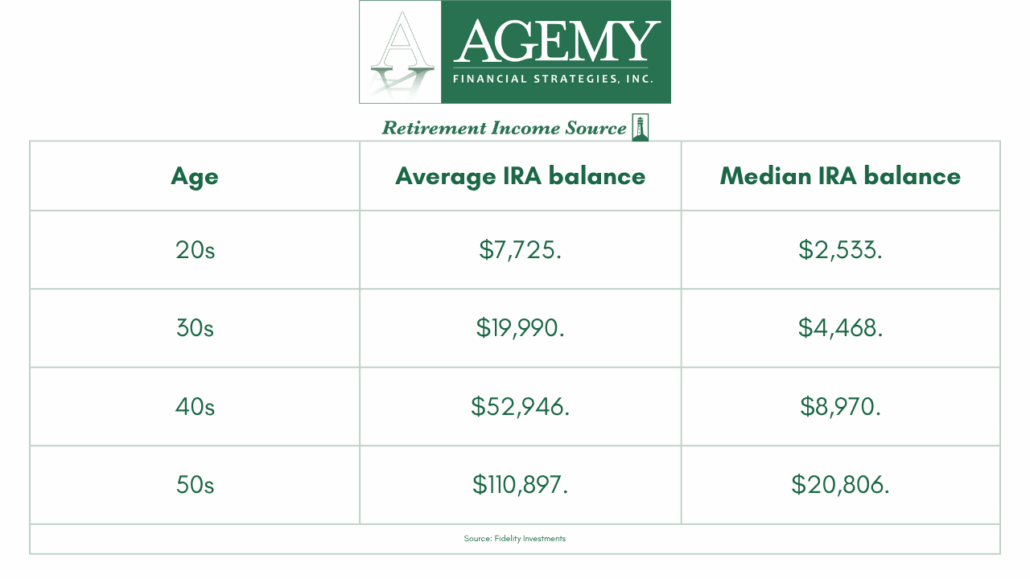

With Americans holding many jobs over their lifetime, it’s not uncommon to lose track of retirement accounts from former employers. Currently, 29.2 million forgotten 401(k) accounts hold an estimated $1.65 trillion in assets.

To address this, the SECURE 2.0 Act established the Retirement Savings Lost and Found database, managed by the Department of Labor. This tool helps individuals locate lost retirement accounts using data submitted by plan administrators and uploaded by the Employee Benefits Security Administration (EBSA). To use the database, you’ll need a Login.gov account. Setup requires:

  • Legal name
  • Date of birth
  • Social Security number
  • A mobile device
  • Driver’s license photos (front and back)

How an Advisor Can Help Optimize Your Retirement Plan

At Agemy Financial Strategies, our fiduciary advisors are dedicated to providing guidance that aligns with your best interests. Taking a holistic approach, we carefully analyze every aspect of your financial situation to help you achieve your envisioned retirement. Here’s how we can support you:

  1. Maximize Contributions: We’ll help you take full advantage of the increased contribution limits for 2025 and guide you in prioritizing the maximum catch-up amount to your 401(k), helping ensure you make the most of this critical savings opportunity.
  2. Evaluate Roth Options: If you’re a high earner, we can help you assess how Roth catch-up contributions fit into your tax strategy. Our advisors will evaluate the benefits of paying taxes now for tax-free withdrawals later, helping you make informed decisions.
  3. Reassess Retirement Goals: With automatic escalation features becoming more common, our team will work with you to regularly review your contribution percentages. This will help your savings strategy align with your goals and financial situation.
  4. Plan for Inflation: We’ll help you factor inflation adjustments into your long-term savings plan. Staying proactive can help preserve your purchasing power and maintain financial stability throughout retirement.

Final Thoughts

Understanding the changes to retirement accounts in 2025 is critical for making informed decisions about your financial future. These updates present new opportunities to save, invest, and grow your wealth but also require thoughtful planning. At Agemy Financial Strategies, we’re here to help you confidently navigate these changes and create a strategy tailored to your unique financial goals.

Contact us today to learn how we can help you secure a prosperous retirement.


Frequently Asked Questions (FAQs)

1. How do I know if I’m eligible for increased catch-up contributions?

To qualify for the higher catch-up contributions, participants must meet specific criteria: they must be aged 60 to 63 in December of that calendar year. These Individuals can utilize the enhanced catch-up contribution limits. Verifying your eligibility with your retirement plan provider is important, as different providers may have different rules.

2. What happens if I don’t want to participate in automatic enrollment?

Employees can opt out of automatic enrollment or adjust their contribution rate anytime.

3. Are Roth contributions better than traditional pre-tax contributions?

This depends on your current income, tax bracket, and retirement goals. Roth contributions can be advantageous if you anticipate being in a higher tax bracket in retirement.

4. How does inflation affect IRA contribution limits?

For 2025, IRA catch-up contributions will be indexed to inflation, helping savers to contribute more as the cost of living rises.

5. Can part-time workers participate in any retirement plan?

Eligibility varies by employer. However, the SECURE 2.0 Act helps ensure that part-time employees who work at least 500 hours per year for two consecutive years participate in their company’s 401(k) plan. This expands access to retirement savings for long-term part-time workers, even if eligibility may differ based on individual company policies.


Disclaimer: This blog is for informational purposes only and should not be considered financial, legal, or tax advice. Always consult the qualified fiduciary advisors at Agemy Financial Strategies to help determine how these changes apply to your circumstances.

IRAs are a great way to invest for your retirement years. But if you want to invest in assets like precious metals, real estate and crypto, certain assets are off-limits. That’s where opening a self-directed IRA comes into play. 

If you’re approaching retirement, you’re likely exploring avenues to fine-tune your financial strategy. One option worth considering is the Self-Directed Individual Retirement Account (SDIRA). While traditional IRAs and 401(k)s certainly have their benefits, SDIRAs present distinct advantages for retirees with substantial wealth.

In this blog post, we will delve into the world of SDIRAs, examining their benefits, potential drawbacks, and whether they align with your needs in retirement. Here’s what you need to know.

What is a Self-Directed IRA?

A Self-Directed Individual Retirement Account (SDIRA) is a retirement savings account that gives you greater control over your investments than traditional IRAs. The main difference between an SDIRA and other IRAs is the types of investments allowed. Regular IRAs limit you to common investments like stocks, bonds, CDs, and mutual funds.

As of 2023, there has been an 11.1% uptick in the number of Americans choosing to open IRA accounts. This surge is reflected in the table below, which shows a total of 13.1 million IRA accounts currently active.

Fiduciary advisor near me

However, SDIRAs open the door to a wider range of assets. With an SDIRA, you can invest in precious metals, commodities, private placements, real estate, and other unique options. This means that managing an SDIRA requires more effort and careful research from the account owner.

Understanding Taxes, Withdrawals and Contributions

Contributions to a self-directed IRA are limited to yearly amounts. In 2023, this amount is $6,500 for individuals under 50, and if you’re over 50, you can add an extra $1,000 as a catch-up contribution.

When you decide to start taking money out, you’ll have to pay regular income taxes unless you’re 59½ or older. If you withdraw any funds before hitting this age, there’s a 10% penalty, and you’ll still owe income tax on what you take out.

Once you reach 73, the IRS says you must begin withdrawing money. The amount you need to withdraw depends on your account balance and life expectancy, following their minimum requirements.

Benefits of Self-Directed IRAs for High Net Worth Retirees

It is common for most high-net-worth retirees to invest a notable portion of their wealth in traditional avenues. Self-Directed IRAs (SDIRAs) present a valuable opportunity to grow your investment portfolio. Here’s a look at some of the benefits SDIRAs can offer:

  • Diversification Opportunity: SDIRAs allow high-net-worth retirees to diversify their investment portfolios beyond traditional stocks and bonds, reducing overall risk exposure.
  • Tax Advantages: Contributions to a traditional SDIRA are usually tax-deductible, and investments grow tax-deferred until retirement withdrawals, benefiting high-net-worth individuals in higher tax brackets.
  • Personalized Investment Options: SDIRAs empower investors to make decisions based on their expertise and preferences, potentially leading to higher returns.

Now that we know about the benefits let’s look at some drawbacks.

Potential Drawbacks of Self-Directed IRAs

Managing SDIRAs can be more intricate than traditional retirement accounts, requiring a deeper understanding of investment options and compliance with IRS regulations. While SDIRAs offer many advantages, it’s important to be aware of their potential drawbacks:

  • Complexity: Managing a self-directed retirement account can be more complex than a traditional IRA. You must adhere to IRS rules and regulations, and certain investments may require additional paperwork and compliance measures.
  • Risk: With greater investment control comes greater responsibility. High net-worth retirees must carefully research and select investments, which can be riskier if not done wisely.
  • Fees: SDIRAs may have higher administrative fees than traditional IRAs, given the need for additional services like custodians or facilitators for certain asset types.

Working with a financial advisor can help you understand the advantages and drawbacks of SDIRAs. They can assist you in making informed decisions about your retirement savings strategy.

Is a Self-Directed IRA Right for You?

Determining whether a Self-Directed Individual Retirement Account (SDIRA) is the right choice for you involves considering various crucial factors. Firstly, your level of investment experience plays a pivotal role; if you possess knowledge in alternative investments like real estate or private equity, an SDIRA may align well with your expertise and interests.

Secondly, assessing your risk tolerance is vital, as self-directed investments carry potential risks that require careful management and due diligence. Lastly, consulting with a financial advisor to understand the tax implications of incorporating an SDIRA into your financial strategy is essential. They can help you learn about the potential tax benefits and associated consequences.

Working With a Financial Advisor

Navigating the complexities of retirement planning, especially with Self-Directed IRAs, can be challenging. Working with an experienced financial advisor becomes crucial to help you navigate this financial realm.

A financial advisor can help you review your investments while accounting for risk management tactics to help ensure they remain in sync with your financial situation. At Agemy Financial Strategies, our team of financial advisors is here to walk you through the process of achieving renewable wealth so that your money can work hard for you and you can reap the benefits of a comfortable retirement. Here are just some of the many ways we can help our clients:

By regularly reviewing and adjusting your plan, you can make informed decisions to help maximize your retirement savings and help ensure financial security for you and your loved ones.

Last Thoughts

Self-Directed IRAs offer a unique way to plan for retirement, especially for those nearing retirement. However, they require careful thought and more active management of your investments.

To see if an SDIRA fits your retirement goals and financial situation, it’s crucial to talk to a financial advisor. Making the right choice can set you up for a successful retirement that helps your finances for years to come.

Start your journey to financial success by scheduling your complimentary strategy session today.