Posts

When most people think about retirement, they imagine freedom, travel, family time, and enjoying the fruits of a lifetime of hard work. But beneath those dreams often lies a lingering fear: “Will I run out of money?”

The truth is, many retirees are making the same critical mistake—they’re chasing growth in the stock market rather than securing reliable income. And that mistake can cost them not just peace of mind, but their entire retirement lifestyle.

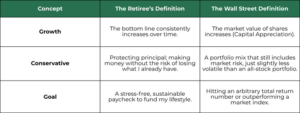
Here’s what the smartest retirees know—and what most financial advisors don’t tell you: The key to a stress-free retirement isn’t about how much money you’ve saved, it’s about how much income your portfolio can generate.

Welcome to the retiree’s best-kept secret.

Why Income, Not Growth, Is the Foundation of a Secure Retirement

Retirement Secrets

Most financial professionals build retirement plans around the idea of accumulating a large nest egg, usually invested heavily in growth stocks or mutual funds. The assumption is: “If the market keeps growing, your portfolio will too.”

But here’s the flaw: The market doesn’t grow in a straight line.

There are up years and down years. And if you’re withdrawing money from your portfolio during a down year, you’re not just losing value—you’re locking in losses and reducing your future income potential.

Instead, retirees should be thinking like landlords. Just as landlords collect rent month after month, regardless of the housing market’s value, retirees can—and should—collect steady income from investments designed to pay them regularly.

What Does Income-Based Retirement Look Like?

An income-first retirement strategy focuses on building a portfolio of assets that generates reliable, predictable cash flow. These include:

This approach means your lifestyle isn’t dependent on whether the S&P 500 is up or down. You’ll know what’s coming in, month after month, year after year.

It’s not about growth—it’s about certainty.

How Is This Different from Traditional Retirement Planning?

Retirement Secrets

Let’s look at a typical growth-based portfolio. If your $1.5 million nest egg is invested in stocks yielding 2%, you’ll get just $30,000/year in income. The rest depends on market gains, which can be unpredictable.

With an income-focused approach? That same $1.5 million could potentially generate $90,000/year in contractual or dividend income, and possibly more if actively managed for value.

And thanks to compounding and strategic trading, that “extra” 1–2% return each year could translate into over $300,000 in additional earnings over a decade.

Why Haven’t You Heard About This?

Because it doesn’t benefit Wall Street.

Wall Street firms make money whether you gain or lose, as long as your money stays invested. Their priority is assets under management, not the outcome of your retirement.

And frankly, many advisors simply don’t know how to build income-generating portfolios. The skill set required is different, more hands-on, and requires deep expertise in bonds, credit markets, and alternative income vehicles.

This is where Agemy Financial Strategies comes in.

How Agemy Financial Strategies Can Help

Retirement Secrets

At Agemy Financial Strategies, we’ve been helping retirees enjoy stress-free retirements for over 30 years. We believe that everyone deserves a retirement defined by confidence, not anxiety.

Here’s how we do it:

✔ Income-First Planning: We prioritize building portfolios that generate contractual, predictable income, not just paper gains.

✔ Tactical Investment Management: Our team actively manages your portfolio to buy low, sell high, and capture additional yield—often gaining an extra 1–2% per year through professional trading strategies.

✔ True Diversification: We go beyond ETFs and mutual funds. Our clients enjoy portfolios that are resilient to market chaos and tailored to withstand volatility.

✔ Fiduciary Responsibility: As fiduciaries, we are legally and ethically obligated to put your interests first, not Wall Street’s.

✔ Personalized Retirement Income Plans: You’ll receive a custom roadmap with income projections, retirement milestones, and peace-of-mind calculations—so you know exactly how your money will support your goals.

We call this approach “More Life Than Money”—and we’d love to help you experience it firsthand.

Final Thoughts: Take the “Hope” Out of Retirement

A good retirement plan doesn’t rely on hope.

Hope that the market does well.
Hope that you don’t live too long.
Hope that you won’t outspend your savings.

Retirement should be lived with certainty, not speculation.

The retiree’s best-kept secret is simple: Invest for income, not just growth. And with the right strategy, you can enjoy more than enough income to live the way you want for the rest of your life, without fear of running out.


Frequently Asked Questions (FAQs)

  1. What is the biggest mistake retirees make with their money?
    They stay invested in a growth-oriented portfolio and withdraw funds during market downturns—locking in losses. Shifting to an income-focused strategy helps provide more stability and predictability.
  2. Is income investing safe?
    Income investing can be very safe when diversified and managed properly. It focuses on assets with contractual payouts and less market volatility, potentially offering more consistent returns than growth-only strategies.
  3. Can I still get growth in an income-focused portfolio?
    Yes. While the primary goal is income, your portfolio can still grow. Active management can help provide strategic gains on top of the steady income stream—think of growth as the “icing on the cake.”
  4. What’s the ideal time to switch from growth to income investing?
    Typically, 5–10 years before retirement is the best time to start rebalancing toward income. But it’s never too late to make the shift—even if you’re already retired.
  5. How do I get started with Agemy Financial Strategies?
    Call us at 800-725-7616 or visit www.agemy.com. We’ll set up a free consultation to review your goals and explore how to help you maximize your retirement income.

Ready to make your income work for you?

Retirement Secrets

Call Agemy Financial Strategies at 800-725-7616 for your free copy of the white paper “TR = I + G: The Formula for a More Successful Retirement” and begin your journey toward peace, purpose, and plenty in retirement.


Disclaimer: This content is for educational purposes only and should not be considered financial or investment advice. Please consult with the fiduciary advisors at Agemy Financial Strategies before making any investment decisions.

Ongoing reports and headlines highlight a mixed economic outlook, with some sectors showing resilience while others face headwinds due to tariffs and uncertainty.

The recent contraction of the U.S. economy by 0.3% in the first quarter of 2025 may appear modest on paper, but for individuals approaching or in retirement, it can serve as a key signal. Even small shifts in economic indicators can have ripple effects across investment markets, interest rates, consumer confidence, and ultimately, your retirement income security.

At Agemy Financial Strategies, we understand that affluent retirees and pre-retirees can’t afford to make reactive decisions based on short-term headlines. Instead, it’s about strategic foresight, proper risk management, and intentional wealth preservation. Here’s what you need to know.

A Closer Look at the Q1 Contraction

The 0.3% dip in GDP followed a period of steady growth, raising concerns about the broader economic trend. Here’s what contributed to the slowdown:

While these may seem like economic metrics for policymakers, they directly relate to retirement strategies, especially for those with significant assets at stake.

Key Areas Where Economic Slowdowns Impact Your Retirement Plan

1. Investment Strategy and Portfolio Diversification

Volatility and contractions in the economy often hit equity markets first—and hardest. For retirees, the priority isn’t chasing returns, but protecting wealth while maintaining sufficient growth.

  • Evaluate your exposure to equities, bonds, and alternative assets.
  • Consider dividend-generating or inflation-hedged investments.
  • Avoid the “sequence of returns” risk by maintaining enough cash or liquid assets to help avoid drawing down principal during market dips.

Agemy Financial Strategies can help review your current allocation and stress test your portfolio against different market scenarios.

2. Interest Rates, Inflation, and Income Streams

In a cooling economy, the Fed may shift to lower interest rates to encourage spending. While this could help borrowing costs, it also has implications for:

  • Fixed-income yields (which may decline)
  • Inflation pressures, especially if supply-chain constraints persist
  • Real purchasing power, particularly for retirees on fixed incomes

It’s essential to align your income strategy with both current interest rates and inflation forecasts. Agemy helps clients integrate TIPS, laddered bonds, and diversified income vehicles to protect purchasing power.

3. Tax Planning in an Evolving Landscape

Lower GDP often prompts fiscal policy adjustments, including potential tax reforms. As your retirement income sources vary—from IRAs to pensions to capital gains—it’s important to assess how changing tax rates might impact:

Our fiduciary advisors at Agemy are experienced in proactive tax strategy to help ensure your income remains as tax-efficient as possible, no matter the economic cycle.

4. Estate Planning Amid Market Volatility

A drop in asset values might affect the total size of your estate. If this impacts your legacy goals, it may be time to:

Volatility can create estate planning opportunities, especially if you anticipate a market rebound or plan to transfer assets to heirs soon.

5. Rising Healthcare Costs and Longevity Risk

In times of economic pressure, federal healthcare funding could face cuts. Meanwhile, costs for long-term care and medical expenses continue to rise, regardless of the economic climate.

A sound retirement plan must account for:

  • Long-term care insurance
  • Health Savings Accounts (HSAs)
  • Medicare and supplemental coverage strategies

Planning for healthcare costs early can help prevent sudden financial strain later.

How to Navigate Economic Uncertainty with Confidence

1. Conduct Regular Portfolio Checkups

Just like your annual physical, your portfolio needs a checkup too. Reviewing it during times of uncertainty helps ensure you’re not overexposed to risk and that your investments are working in your favor.

2. Reaffirm Your Financial Goals

Are your current retirement strategies still aligned with your goals? As economic conditions shift, your financial objectives might need to be adjusted. Agemy’s advisors can help you identify blind spots and fine-tune your plan.

3. Maintain a Long-Term Perspective

Economic contractions, no matter how uncomfortable, are part of a normal business cycle. Staying the course and focusing on your long-term goals helps avoid impulsive decisions that can hurt your retirement outlook.

4. Work with a Trusted Fiduciary Partner

At Agemy Financial Strategies, our fiduciary duty is to put your best interests first. We offer personalized wealth planning that evolves with you and the broader market landscape.

Final Thoughts: Your Retirement Deserves a Resilient Strategy

The 0.3% GDP contraction in Q1 2025 is a reminder that even mild economic changes can have real implications for those nearing retirement. The good news? You don’t have to navigate this alone.

With over 30 years of experience guiding clients through all market conditions, Agemy Financial Strategies helps affluent families, professionals, and retirees adapt, preserve, and grow their wealth in the face of change.

How Agemy Financial Strategies Can Help

In uncertain economic times, your retirement strategy needs more than guesswork—it requires deep knowledge, personalization, and foresight. That’s where Agemy Financial Strategies comes in.

With over three decades of experience guiding affluent individuals and families, our team provides comprehensive, fiduciary-based financial planning focused on long-term security and short-term flexibility.

Here’s how we help you stay on course—even when the economy wavers:

  • Customized Retirement Income Planning: We analyze all your income streams—Social Security, pensions, investments—and structure a reliable, tax-efficient plan to help cover your expenses for life.
  • Strategic Investment Management: Our advisors actively monitor market conditions and adjust your investment mix to help protect against downside risk while capturing growth opportunities when available.
  • Proactive Tax Optimization: We build tax strategies into every part of your plan, including Roth conversions, tax-loss harvesting, and distribution planning to help you keep more of what you’ve earned.
  • Healthcare & Long-Term Care Strategy: Rising healthcare costs are one of retirement’s biggest threats. We help you prepare with smart coverage options, LTC planning, and health savings strategies.
  • Legacy and Estate Planning Coordination: Your wealth should support not only your lifestyle but also your legacy. We collaborate with estate attorneys and CPAs to help align your goals with your estate structure.
  • Stress Testing for Peace of Mind: We run your plan through multiple economic and market scenarios to help ensure your strategy holds up, even if the economy doesn’t.

A Plan That Evolves as Life and the Market Do

At Agemy Financial Strategies, we don’t believe in one-size-fits-all retirement planning. Instead, we take time to understand your lifestyle, your priorities, and your legacy goals, building a roadmap that adapts with you and the world around you.

Ready to strengthen your retirement plan with a team that puts your best interests first?

Schedule a no-obligation consultation today, and let’s build a future that’s as resilient as it is rewarding.

Frequently Asked Questions

Q: What if my retirement portfolio lost value due to the Q1 slowdown?
A: Don’t panic. Reassess your asset allocation and consult with a fiduciary advisor. Market dips can be an opportunity for rebalancing and tax optimization.

Q: Should I consider a Roth conversion now?
A: If you anticipate higher taxes later or if your portfolio temporarily dips, a Roth conversion may be advantageous. Always consult with your advisor before moving forward.

Q: How can I help protect against inflation in retirement?
A: Diversify into inflation-resistant assets like TIPS or real estate. Consider dynamic withdrawal strategies that adjust to inflation.

Q: What healthcare costs should I plan for in retirement?
A: Medicare, supplemental insurance, and long-term care expenses. Begin planning early to help ensure you can cover these costs without compromising your lifestyle.

Q: Is now a good time to gift assets to my heirs?
A: If asset values are temporarily down, it could be an ideal time to transfer wealth while minimizing tax implications. Discuss this with your financial advisor.

Disclaimer: This content is for educational purposes only and should not be considered financial or investment advice. Please consult with the fiduciary advisors at Agemy Financial Strategies before making any investment decisions.

Retirement is no longer a distant dream—it’s a financial milestone that requires careful planning, especially in a changing economic climate like 2025.

One of the most common questions we hear at Agemy Financial Strategies is: “How much do I really need to retire comfortably?”

The answer? It depends on your lifestyle, health, location, tax exposure, and goals. In this guide, we’ll help you explore what “comfortable” really means and how much it might take to get there in today’s economic environment.

Defining “Comfortable” Retirement for the Wealthy

Only 27% of Americans feel very confident in their ability to maintain a comfortable retirement lifestyle, according to this EBRI Study.

So why are so few assured they’re on the right track?

The average American might target $1 million to $1.5 million for retirement. But for high-net-worth individuals, the equation is far more nuanced.

Comfort, in your case, often includes:

  • Multiple properties or vacation homes

  • Extended travel (domestic and international)

  • Financial support for adult children or grandchildren

  • Gifting and philanthropic goals

  • Concierge healthcare or long-term care services

  • Ongoing investment and business interests

  • Legacy planning and wealth transfer strategies

These ambitions require far more than average savings. They demand proactive planning, liquidity, and insulation from market, tax, and longevity risks.

What the Numbers Say in 2025

In 2025, the retirement landscape for HNWIs is more complex than ever. Here’s what you’re up against:

  • Inflation: Core inflation remains elevated, eroding purchasing power over time. A luxury lifestyle that costs $300,000 annually today may exceed $500,000 in two decades.

  • Longevity: High-net-worth retirees tend to live longer, with many planning for a 30-year retirement or more.

  • Healthcare Costs: According to a recent report, a 65-year-old couple can expect to spend over $330,000 on healthcare in retirement—and that doesn’t include long-term care or private medical services.

  • Tax Law Sunset: The 2026 tax law sunset could dramatically alter planning needs for HNWIs. Provisions of the 2017 Tax Cuts and Jobs Act are set to expire in 2026, meaning today’s favorable estate and income tax rules could soon disappear.

  • RMD Planning: For those with large retirement accounts, Required Minimum Distributions (RMDs) can create substantial tax burdens if not managed strategically.

3 Key Questions to Ask Yourself

Before determining your “magic number,” ask:

1. What lifestyle do I want to maintain?
Estimate annual expenses for travel, real estate upkeep, insurance, taxes, and discretionary spending.

2. What risks must I hedge against?
Consider market volatility, rising healthcare costs, longevity risk, and tax uncertainty.

3. What legacy do I want to leave?
Wealth transfer, charitable foundations, and multigenerational support can significantly affect how much you need.

A Closer Look at Retirement Spending for HNWIs

Many affluent retirees underestimate just how much their lifestyle costs, especially when it involves more than one home, frequent travel, or private schooling for grandchildren.

Expense Category

Estimated Annual Range (HNWIs)

Core Living Expenses

$150,000 – $300,000+

Travel & Leisure

$50,000 – $150,000+

Property Maintenance

$25,000 – $100,000+

Philanthropy/Gifting

$20,000 – $250,000+

Healthcare & Insurance

$30,000 – $100,000+

Wealth Advisory Fees

Varies (0.5% – 1% of AUM)

Note: The estimated spending ranges provided are illustrative and based on aggregated insights from financial industry sources, based on aggregated data from Fidelity, Schwab, UBS, the Spectrem Group, and high-net-worth lifestyle spending reports featured in publications such as Barron’s, Forbes, and CNBC Wealth. Actual expenses will vary based on individual circumstances, lifestyle choices, geographic location, and health status. These figures are intended for educational purposes and do not constitute personalized financial advice.*

How Much Capital Do You Need? The 4% Rule Isn’t Enough

The traditional “4% rule” suggests withdrawing 4% annually from your retirement savings to avoid running out of money. For a $10 million portfolio, that would provide $400,000 per year.

But the 4% rule was built on historical data that may not hold in today’s economy. Instead, consider:

  • Tax drag: Withdrawals from pre-tax accounts may be reduced by 30%+ in taxes.

  • Lifestyle inflation: Expenses tend to rise in the early and late stages of retirement.

  • Market conditions: Sequence of returns risk could derail early retirement years.

  • Long-term care needs: Costs that can exceed $100,000/year if private or specialized.

Many HNWIs aim for a 3% or lower withdrawal rate, which means you’ll need $12–15 million in investable assets to support a $350,000+ annual lifestyle with added flexibility.

Asset Allocation for a Comfortable Retirement

Preserving and growing wealth during retirement requires balance:

  • Income-generating assets: Dividend-paying stocks, municipal bonds, and real estate.

  • Tax-efficient vehicles: Roth IRAs and charitable trusts.

  • Growth potential: Carefully selected equities, private equity, and alternatives.

  • Protection: Insurance products, structured notes, and guaranteed income strategies.

Consider reflecting both your lifestyle ambitions and your desire for capital preservation.

Planning for Longevity and Legacy

For high-net-worth retirees, the goal is often twofold:

  1. Help ensure income for life.

  2. Transfer wealth tax-efficiently.

Considerations for Long-Term Planning:

  • Trusts to shield assets from probate and help minimize estate taxes.

  • Gifting strategies to help reduce taxable estate while supporting heirs during your lifetime.

  • Charitable giving through donor-advised funds or private foundations.

  • Life insurance for liquidity and legacy leverage.

Without strategic planning, taxes could significantly reduce what your heirs receive, especially with estate tax exemptions set to drop in 2026.

Taxes: The Hidden Retirement Threat

It’s also important for high-net-worth retirees to be vigilant about taxes. RMDs, capital gains, and income from investments can push you into the highest tax brackets—even in retirement.

Strategies to Consider in 2025:

Your retirement plan should include a tax strategy that anticipates law changes and helps minimize lifetime tax liability.

How Agemy Financial Strategies Can Help Retirees Thrive

At Agemy Financial Strategies,we’re experienced in helping affluent individuals and families design a retirement strategy as unique as their lives. We understand the complexities of preserving multi-million-dollar portfolios, managing tax liability, and helping protect wealth for future generations.

Here’s what we offer:

We don’t believe in one-size-fits-all planning. We believe in personalized, proactive wealth strategy built on trust, transparency, and long-term vision.

Final Thoughts: What’s Your Number?

There’s no single dollar amount that defines a “comfortable retirement” for high-net-worth individuals. For some, $5 million in assets is enough. For others, it’s $20 million or more. The real question isn’t just how much, but how well your wealth is positioned to support your future.

The earlier you begin planning—or adjusting—the more control you’ll have.

Ready to Define Your Retirement Number?

📞 Schedule a private strategy session with Agemy Financial Strategies today.
Let’s help you retire not just comfortably, but confidently.

Frequently Asked Questions

1. How much does a high-net-worth individual really need to retire comfortably in 2025?
It depends on your lifestyle, spending goals, and family legacy plans. Many HNWIs aim for $10–20 million in investable assets to generate $300,000+ in annual income, help preserve purchasing power, and leave a meaningful legacy.

2. Should I still be concerned about taxes in retirement if I’ve already accumulated wealth?
Yes. Large RMDs, capital gains, and income distributions can push you into top tax brackets. Without proactive planning—like Roth conversions, QCDs, or charitable trusts—your tax exposure could erode long-term wealth.

3. What role does longevity play in my retirement number?
Affluent individuals often have access to better healthcare and longer life expectancy. Planning for a 30- to 35-year retirement helps ensure you won’t outlive your savings or compromise your lifestyle in later years.

4. How should I adjust my asset allocation once I retire?
Your portfolio should shift toward income-generating, tax-efficient, and lower-volatility assets, while maintaining enough growth potential to keep pace with inflation and evolving spending needs.

5. How can Agemy Financial Strategies help high-net-worth individuals plan for retirement?
We’re experienced in advanced retirement income strategies, tax mitigation, legacy planning, and personalized wealth management. Our fiduciary approach helps ensure your plan is built to preserve, protect, and grow your wealth for decades to come.

Disclaimer: This content is for educational purposes only and should not be considered financial or investment advice. Please consult with the fiduciary advisors at Agemy Financial Strategies before making any investment decisions.

From Warren Buffett and Charlie Munger to Albert Einstein and Chuck Akre, some of the greatest minds in finance (and science) have praised the power of compound interest. But what exactly makes it so powerful—and how can you put this timeless strategy to work for your own financial future?

If you’ve spent the last several decades investing—whether in stocks, real estate, or even art—you likely have a substantial nest egg. The question now is: How do you protect it while helping ensure it continues to grow wisely through retirement? Understanding compound interest may be your best-kept secret.

What Is Compound Interest—Really?

Most people believe their money is compounding simply because their investments are increasing in value. But true compounding requires more than appreciation—it requires reinvestment.

To put it simply, compound interest means earning interest on your interest. When the returns on your investments—be it interest, dividends, or capital gains—are reinvested instead of withdrawn, those earnings generate their own earnings. Over time, this cycle of reinvestment accelerates wealth creation in ways that simple growth cannot.

Unfortunately, many investors believe they are benefiting from compound interest when, in fact, their portfolios are only experiencing passive appreciation, which is often inconsistent and susceptible to market volatility. Without a reinvestment mechanism, that growth is linear, not exponential.

Famous Names and Faces

Influential figures like Warren Buffett, Charlie Munger, and even Albert Einstein have long touted compound interest as one of the most powerful forces in finance. Why? Because it rewards patience, consistency, and time—allowing your money to grow not just on your initial investment, but on the interest it earns over time:

“The first rule of compounding: Never interrupt it unnecessarily.” – Charlie Munger

“The ability to earn earnings upon earnings is essentially the definition of compounding.” – Chuck Akre

“Compound interest is the eighth wonder of the world. He who understands it, earns it; he who doesn’t, pays it.” – Albert Einstein.

This snowball effect can turn modest savings into significant wealth, making it a cornerstone of long-term financial success. Whether you’re building retirement income or teaching your kids about saving, understanding compound interest is key to unlocking real financial momentum.

Why Compound Interest Matters in Retirement

During your working years, your primary focus is on accumulation, saving, and growing your wealth. But once you retire, your financial strategy needs to shift dramatically. You’re no longer just building a pile of assets—you’re relying on them to provide sustainable, lifelong income.

This is where compound interest can play a transformative role. With the right strategies, it allows your retirement portfolio to continue working for you, creating new earnings without taking on unnecessary risk.

Income-generating investments that can enable compounding include:

These types of investments provide regular income, which can then be reinvested, allowing for consistent, measurable compounding even in retirement.

Understanding “Returnless Risk”

One of the most common pitfalls retirees face is what we call “returnless risk”—taking on high levels of market exposure in hopes of large gains, without any built-in income or return mechanism.

For example, a portfolio packed with growth mutual funds or tech-heavy stocks might look strong on paper, but if those assets aren’t generating real income, then you’re relying entirely on market timing and volatility. That’s not a sustainable strategy for retirement income.

In one case, a client of ours held a 401(k) with several growth stocks and mutual funds, yet none of those assets provided reinvestable income. When retirement hit, the portfolio’s lack of yield left them vulnerable. By contrast, a portfolio with structured income products generating even a conservative 6–8% annual return can create a more stable, compoundable income stream—one that can support your lifestyle with much less stress.

The Silent Wealth Killer: Fees

Compounding doesn’t only depend on reinvestment—it depends on retaining as much of your return as possible. That’s why excessive fees can be so damaging.

Let’s look at the numbers: A $1.5 million portfolio with an annual 2% advisory or fund fee will lose over $331,000 in potential earnings over a 10-year period. That’s not just a minor expense—it’s a major wealth leak. Fees siphon off returns that could otherwise be compounding for your benefit.

At Agemy Financial Strategies, we believe in transparent, fiduciary-based guidance. We don’t believe in paying middlemen, hidden fees, or cookie-cutter portfolios that don’t serve your best interests.

Compound Interest ≠ Growth Alone

One of the most common misconceptions we hear is the belief that growth is the same as compounding. But here’s the truth: Growth can occur without compounding, and compounding can occur without explosive growth.

Owning a stock that doubles in price may seem like a big win, but unless you’re capturing consistent dividends or generating reinvestable returns, that “growth” is fleeting. Real compounding happens when income is systematically put back to work, over and over again.

Ask yourself:

Protecting Your “Pile”: Beyond Compounding

At Agemy Financial Strategies, we often talk about “protecting your pile”—and we don’t mean hiding it under a mattress or stuffing it in a low-yield savings account. True protection is about making your money work smarter, not harder.

Additional strategies we help support you with include:

Remember: the goal isn’t to become ultra-conservative or fearful of investing. It’s to be strategic, measured, and intentional.

Watch the full show here.

The Retirement Shift: From Accumulation to Preservation + Income

Retirement is not just a date—it’s a transition. And that transition should reflect a significant shift in your investment mindset.

Where you once chased high returns, you now need to think about how to preserve your assets and generate income from them. Compound interest, when used effectively, allows you to maintain both goals: security and growth.

You’ve already climbed the mountain of accumulation. Now it’s time to descend safely, with a plan that doesn’t depend on hope, speculation, or volatility.

Final Thoughts: It’s Time to Be Prudent

We’re not saying you have to change your entire portfolio overnight. But we do believe this is a time to ask yourself tough questions:

  • Is your portfolio designed to compound and generate sustainable income?
  • Are you taking on risk without enough built-in return?
  • Are your fees eroding your long-term wealth?

At Agemy Financial Strategies, we help clients across Connecticut and Colorado build retirement strategies grounded in education, purpose, and clarity. If you’re ready to make smart decisions that prioritize your long-term success, we invite you to get a second opinion—because protecting your pile starts with understanding how compounding really works.

📞 Ready to Learn More?

It’s time to invest in income, not just growth.

More About Agemy Financial Strategies Can Help

At Agemy Financial Strategies, we believe your retirement strategy should be as unique as you are. Our team of fiduciaries works closely with pre-retirees and retirees to develop personalized, income-generating plans that harness the power of compound interest while minimizing unnecessary risk.

Here’s what sets us apart:

  • Income-First Planning: We focus on creating sustainable, tax-efficient income streams that continue to compound and grow—even in uncertain markets.
  • Fiduciary Approach: As fiduciaries, we are legally and ethically obligated to act in your best interest. That means no cookie-cutter portfolios or hidden agendas—just advice that puts your needs first.
  • Smart Risk Management: We help clients identify unnecessary “returnless risk” and shift their portfolios toward strategies that align with their lifestyle, goals, and risk tolerance.
  • Fee Transparency: We cut out expensive middlemen and mutual fund layers to help you keep more of what you’ve earned, allowing your money to truly compound.
  • Education & Empowerment: Whether you’re 50 or 75, our goal is to help you understand your plan, your options, and your income strategy. Because when you know better, you do better.

With offices in Connecticut and Colorado, our team is here to help you build a future rooted in clarity, confidence, and smart financial stewardship.

Frequently Asked Questions (FAQ)

Q1: What’s the difference between compound interest and simple interest?
A: Simple interest is calculated only on the principal amount you invest. Compound interest is calculated on the principal and the interest that accumulates over time, making it a powerful wealth-building tool, especially in retirement income strategies.

Q2: Can I still benefit from compound interest if I’m already retired?
A: Yes. While compounding works best over long timeframes, retirees can still benefit by using income-generating assets that reinvest earnings or provide steady cash flow. The key is having a plan designed around your timeline and needs.

Q3: What kinds of investments support compound interest?
A: Investments that pay recurring income, such as dividend stocks, bonds, structured notes, etc., allow your earnings to be reinvested and compounded. Growth-only assets like non-dividend stocks may not offer the same compounding benefit unless actively managed.

Q4: Are high fees really that damaging to my retirement portfolio?
A: Absolutely. Just a 2% annual fee on a $1.5 million portfolio can erode over $300,000 in potential earnings over 10 years due to lost compounding. Reducing costs and improving efficiency are key ways we help protect and grow your wealth.

Q5: How do I know if I need to make changes to my current retirement strategy?
A: If you haven’t reviewed your portfolio in the last 12 months, if your investments aren’t generating income, or if you’re unsure about the risks you’re taking, you likely need a second opinion. Agemy Financial Strategies offers complimentary reviews to help you assess whether your money is truly working for you.

Disclaimer: This content is for educational purposes only and should not be considered financial or investment advice. Please consult with the fiduciary advisors at Agemy Financial Strategies before making any investment decisions.

As we approach the halfway mark of 2025, it’s time to ask a crucial question: Is your investment portfolio still working in your favor—and are there hidden opportunities in today’s volatility that you may be overlooking? 

This year’s economic environment remains a complex rollercoaster. Core inflation—which excludes food and energy—measured 2.8% year-over-year in April, matching expectations and staying well above the Federal Reserve’s 2% target. 

On a monthly basis, core CPI rose 0.2% in April, a slight uptick from March’s 0.1% but slower than the anticipated 0.3% climb. As a result, the Fed continues to hold interest rates at a 15-year high (4.25%–4.50%), with no rate cuts expected until 2026. 

While the job market remains relatively strong, consumer confidence is weakening and corporate earnings are showing signs of strain. GDP growth forecasts vary widely—Goldman Sachs projects just 1.0% growth for Q4, while the IMF pegs annual growth closer to 1.8%. 

Ongoing geopolitical tensions, trade disruptions, and the looming 2026 expiration of key tax provisions are adding pressure, particularly for high-net-worth individuals. In this backdrop of elevated rates, volatile markets, and shifting tax policy, a mid-year portfolio review isn’t just smart—it’s essential.

With interest rates high, markets jittery, and tax rules poised for change, now is the time to reassess your portfolio strategy.

Understanding the Current Economic Climate in 2025

The first half of 2025 has been anything but predictable. Investors are navigating a patchwork of mixed signals across sectors and asset classes. While some areas of the economy are holding firm, others are flashing signs of weakness.

Key Economic Indicators to Watch:

  • Inflation: Although headline inflation has moderated, core inflation remains elevated, keeping borrowing costs high and squeezing retirement budgets.
  • Interest Rates: The Federal Reserve’s benchmark rate remains at a 15-year high, affecting everything from bond yields to real estate values. Fed Chair Powell recently stated that cuts may not come until early 2026, depending on data trends.
  • Equity Markets: Stock indices are volatile, with tech and AI-driven sectors recovering while defensive stocks lag. Many analysts anticipate continued swings due to political uncertainty and global supply chain pressures.
  • Consumer Trends: Credit card delinquencies are rising, savings rates are down, and retail spending has slowed—signals that consumer fatigue is setting in.
  • Geopolitical Uncertainty: Ongoing tensions in the South China Sea, instability in the Middle East, and new EU trade tariffs have all contributed to risk-off sentiment across global markets.

Given these crosscurrents, a mid-year portfolio check isn’t just recommended—it’s essential. Adjusting now could help protect your long-term strategy from near-term shocks.

Inflation and Investment Opportunities: Navigating the Landscape

While economic uncertainty and geopolitical tensions may seem like red flags, they can also create compelling opportunities for savvy investors. Volatility often leads to market dislocations—where quality assets become undervalued due to fear or short-term pressure. 

In these moments, disciplined investors with a long-term perspective can capitalize on attractive entry points, rebalance portfolios strategically, and harvest tax losses to improve after-tax returns. 

Elevated interest rates also mean more competitive yields in fixed income markets, offering new avenues for income generation and portfolio diversification. Rather than retreating in the face of uncertainty, investors can use this period to make proactive, informed decisions that may strengthen their financial position for the years ahead.

While inflation can impact the economy and asset values in complex ways, historical trends and economic theory provide useful context. Inflation tends to have the greatest effect on fixed-rate debt instruments, as rising prices can erode the purchasing power of both interest payments and the principal. When the inflation rate outpaces the nominal interest rate, the resulting “real rate” may be negative—meaning the value of returns is diminished when adjusted for inflation.

Did You Know? Long-term fixed-rate debt generally carries more inflation risk than short-term debt, since the erosion of value accumulates over a longer period.

Certain types of assets—particularly those with income streams or values that may adjust over time—have historically been more resilient during inflationary periods. Examples include real assets like rental properties with adjustable leases or infrastructure assets where fees may be indexed to inflation.

As always, it’s important to speak with a financial professional to evaluate how inflation considerations fit into your broader investment strategy.

Why You Need a Mid-Year Review

For investors approaching retirement with significant assets, your financial strategy isn’t just about returns—it’s about preservation, income generation, and tax efficiency.

A lot can happen in six months. Without a review, your portfolio could:

  • Drift from your original asset allocation
  • Miss opportunities for gains or tax savings
  • Expose you to unnecessary risk
  • Underperform relative to your income needs

If you haven’t reviewed your portfolio yet this year, now is the time.

Step-by-Step Mid-Year Investment Review Checklist

Here’s a quick reference guide to discuss with your advisor.

1. Reassess Your Financial Goals

Have your personal or family goals changed? Perhaps you’re considering early retirement, planning a home purchase, or funding a grandchild’s education.

Your investment strategy should reflect these updated goals. Consider adjusting timelines, savings targets, and risk tolerance accordingly.

2. Analyze Portfolio Performance

Review the year-to-date (YTD) performance of each asset class in your portfolio. Consider:

  • Are you outperforming or underperforming the benchmark?
  • What sectors are driving returns (or losses)?
  • Are international holdings pulling their weight?
  • Have dividends or interest payments met expectations?

Use performance data as a guide—but don’t chase returns. Strategic, goal-based investing should remain the focus.

3. Rebalance Asset Allocation

In volatile markets, some assets may rise or fall dramatically, throwing off your intended balance. Rebalancing can help keep your risk profile in check.

Common Allocation Drifts:

  • Overweight in U.S. equities due to strong tech performance
  • Underweight in international or emerging markets
  • Too much exposure to fixed income with low yields

Adjust your mix based on:

Strategic Moves to Consider for the Rest of 2025

1. Defensive Positioning in Uncertain Times

Many investors are moving toward defensive sectors like consumer staples, healthcare, and utilities. These sectors tend to hold value even during economic slowdowns.

2. Income-Producing Investments

Retirement requires predictable income. Evaluate opportunities in:

Diversifying income streams can reduce risk and help cover fixed expenses in retirement.

3. Tax-Loss Harvesting Opportunities

If certain positions are underperforming, now may be the time to sell them to offset capital gains. This strategy, known as tax-loss harvesting, can help reduce your taxable income.

Work with a fiduciary advisor who understands tax strategy to avoid wash-sale rules and time your moves appropriately.

4. Consider Roth Conversions

With current tax rates scheduled to sunset after 2025, Roth conversions are an increasingly popular move. Converting traditional IRA funds to a Roth IRA now may lock in lower taxes while providing tax-free income later.

This move can be particularly beneficial for wealthy investors in low-income years or those with large required minimum distributions (RMDs) on the horizon.

Anticipating RMDs and Retirement Income Planning

For investors aged 73 and older (or 75, depending on your birth year), required minimum distributions (RMDs) can significantly impact your tax bill. Even if you’re not yet taking RMDs, planning ahead can be crucial.

Strategies to Help Optimize RMDs:

Review your income needs and explore options that can help lower your tax burden without compromising your retirement lifestyle.

Review Estate and Legacy Plans

Your investments aren’t just about your retirement—they’re about your legacy. Now is a smart time to review:

A proactive approach can help reduce estate taxes and help ensure your wishes are fulfilled.

Don’t Forget About Inflation-Proofing

Inflation silently erodes purchasing power. Even with higher rates, today’s dollars won’t go as far in 10 or 20 years.

Ways to Hedge Against Inflation:

Talk to your advisor about incorporating inflation-resistant assets in your portfolio.

Questions to Ask Your Advisor at Mid-Year

  1. What changes should I consider based on current economic forecasts?
  2. How can I better align my portfolio with my retirement timeline?
  3. Are my investments structured for tax efficiency?
  4. What are the risks in my current strategy?
  5. How can I generate more income without adding unnecessary risk?
  6. Am I on track to meet my estate planning goals?

How Agemy Financial Strategies Can Help

At Agemy Financial Strategies, we understand that navigating the financial landscape near retirement can be complex. Our fiduciary advisors help high-net-worth individuals create customized strategies based on:

  • Your long-term goals
  • Tax considerations
  • Income planning
  • Estate and legacy needs

We go beyond portfolio performance. Our mission is to give you confidence, clarity, and control over your financial future.

Now is the time to schedule your mid-year investment review. The second half of 2025 could bring more changes, and your plan should be ready.

Final Thoughts: Don’t Leave Your Retirement to Chance

Market uncertainty is the new normal. But that doesn’t mean your financial future needs to feel unstable. A mid-year portfolio review offers clarity and control in an ever-changing world.

Adjustments made today can make a significant difference tomorrow.

You’ve built your wealth—now let’s protect it.

📞 Schedule your complimentary portfolio review today with Agemy Financial Strategies.

🗓️ Don’t wait—prepare now for the future you deserve.

Frequently Asked Questions

  1. How often should I review my investment portfolio?

At a minimum, we recommend reviewing your portfolio twice a year, mid-year and year-end. However, life events, market changes, or economic shifts may warrant more frequent reviews to stay aligned with your goals.

  1. What signs indicate I should rebalance my portfolio?

If your asset allocation has drifted significantly from your original targets, due to market gains or losses, or your risk tolerance or financial goals have changed, it’s likely time to rebalance.

  1. What are the benefits of a Roth conversion in 2025?

With current tax rates set to expire after 2025, converting traditional retirement assets to a Roth IRA now may help lock in lower taxes. This strategy can also reduce your future RMDs and provide tax-free income in retirement.

  1. Is market volatility a reason to adjust my retirement strategy?

Not always. Temporary volatility doesn’t necessarily require a change. However, prolonged or structural market shifts may call for defensive adjustments, diversification, or an income-focused strategy—especially for retirees.

  1. How can Agemy Financial Strategies help with my mid-year review?

Our fiduciary team offers personalized mid-year investment reviews, helping you assess your portfolio’s performance, uncover hidden risks, optimize for taxes, and help ensure your financial strategy is on track for retirement success.

Disclaimer: This content is for educational purposes only and should not be considered financial or investment advice. Please consult with the fiduciary advisors at Agemy Financial Strategies before making any investment decisions.

How Tariffs, Trade Wars, and Federal Policies Impact RMDs and Roth IRAs

As 2025 unfolds, the global economic landscape continues to present new challenges for retirees. Market volatility, trade disputes, and shifting federal policies have all introduced fresh risks—particularly for those managing IRAs, 401(k)s, and non-qualified retirement accounts.

At Agemy Financial Strategies, with offices in Connecticut and Colorado, we’re committed to helping retirees protect and preserve their wealth, especially during uncertain times. This week, we’re breaking down seven key areas every retiree should know to weather this economic storm and maintain control over their financial future.

1. Roth Conversion Success in a Down Market

Market downturns can be a hidden opportunity—particularly for Roth conversions. When your traditional IRA or 401(k) is temporarily reduced in value, converting those assets into a Roth IRA can result in a lower tax burden. Once in a Roth, your assets grow tax-free, and future withdrawals are tax-free as well.

🧠 Tip: Roth conversions are even more powerful when paired with a long-term strategy for managing tax brackets, Social Security timing, and RMD coordination. Listen to our Financial Strategies podcast on ‘Roth IRAs Rebooted’, here.

2. SECURE Act 2.0: What You Need to Know

Effective January 1, 2023, the SECURE Act 2.0 introduced sweeping changes to retirement planning. Key updates include:

  • RMD age increase: Now 73 (and rising to 75 in 2033), giving retirees more time to grow their assets tax-deferred.
  • Higher catch-up contributions: Those aged 60–63 can now contribute more to retirement accounts.
  • Auto-enrollment in 401(k)s: New employer plans must auto-enroll eligible employees.

🔍 Strategy: Use the extended RMD window to explore Roth conversions and reduce future tax liabilities.

3. New 2025 RMD Table: How to Calculate Correctly

The IRS has updated its RMD tables to reflect longer life expectancies. That means lower annual withdrawal amounts, which can help your portfolio last longer—but only if you calculate correctly.

How It Works: Divide your retirement account balance as of December 31 of the previous year by the life expectancy factor from the IRS table.

📌 Penalty Alert: Missing or miscalculating your RMD can result in a 25% excise tax penalty—a costly mistake that can be avoided with proper planning.

4. Avoid the 25% RMD Penalty Pitfall

Under the SECURE Act 2.0, the old 50% penalty for missed RMDs has been reduced to 25%—and even 10% if corrected quickly. But prevention is the best strategy.

✔️ Action Step: Work with a fiduciary advisor to ensure you’re using the correct RMD tables and timing to avoid this penalty altogether.

 
5. Beneficiary Designation Tips: Stretch IRAs and 401(k)s

Thanks to recent changes, inherited retirement accounts now follow a 10-year rule—eliminating the lifetime “stretch” for many beneficiaries.

What You Should Do:

  • Review all beneficiary designations annually
  • Consider naming a trust for complex family situations
  • Understand how SECURE Act rules affect inherited IRAs and 401(k)s

🏛️Estate Tip: Improper beneficiary planning can result in unnecessary taxes or legal battles.

6. Navigating Tariffs, Trade Wars, and Federal Policy Risks

Tariffs and trade conflicts can ripple through markets, impacting retirement portfolios in unexpected ways. Retirees with heavy exposure to international equities or manufacturing sectors may feel the brunt of these shifts.

🔄 Mitigation Strategy: Diversify across sectors and asset classes. Ensure your portfolio is flexible enough to respond to federal policy changes, such as interest rate hikes or economic stimulus measures.

7. Customized Retirement Portfolio Allocation Built for Today’s Economy

At Agemy Financial Strategies, we understand that today’s retirees need more than generic advice—they need a customized investment approach that evolves with the economy. That’s why we’ve spent over 35 years helping clients safeguard their savings with forward-thinking, tax-efficient, and risk-conscious portfolio strategies.

In 2025, market conditions are more unpredictable than ever—shaped by trade tensions, inflation, and federal policy shifts. Our fiduciary-led firm and financial strategies are specifically designed to weather these changes, helping protect your wealth while generating the income you need to enjoy retirement.

Here’s how we can help:

  • Tailored Portfolio Construction: We work with you to align your investments with your risk tolerance, income goals, and legacy wishes.
  • Market-Adaptive Strategies: Our team proactively adjusts portfolios based on real-time economic shifts, including interest rate hikes, policy changes, and trade disruptions.
  • Income Planning: We help turn your accumulated assets into a reliable stream of retirement income—monthly, quarterly, or annually—so you never have to guess where your next paycheck is coming from.
  • Tax Efficiency: From Roth conversions to RMD strategies, we build your retirement plan with tax-smart moves that can help preserve more of your nest egg.
  • Personalized Guidance: Whether you’re in Connecticut or Colorado, our fiduciary advisors are here to provide clarity, confidence, and care every step of the way.

Bonus: What Investment Tools Support Your Income Goals?

Choosing the right mix of retirement tools can help turn your savings into dependable monthly, semi-annual, or annual income—while addressing risks like longevity and market downturns.

Consider:

  • Certain annuities (not all annuities are built the same, so ensure you speak to your trusted advisor about risk tolerance and types of annuities before committing. Watch our YouTube show dedicated to annuities here.)
  • Dividend-paying funds
  • Tax-free municipal bonds
  • Structured notes (for defined-risk strategies)

Remember: Not all investment tools are suitable for every retiree—customization is key.

Final Thoughts: Take Control in Uncertain Times

As we celebrate 35 years of excellence, we remain as committed as ever to helping you thrive in retirement—no matter what the markets do next.

Retirement planning in 2025 is not about guessing—it’s about strategic decision-making based on real data, legal changes, and global events. From tariffs and trade wars to federal policy shifts and market volatility, today’s retirees face a lot of moving pieces.

But with the right plan—and the right partner—you can turn complexity into clarity.

Book your consultation today and let us help you protect your future with precision, purpose, and fiduciary care.


Frequently Asked Questions (FAQs)

Q: How do tariffs affect my retirement investments?
A: Tariffs can trigger market sell-offs, particularly in sectors like manufacturing or global trade. Diversifying your portfolio and rebalancing regularly can help reduce exposure.

Q: What’s the benefit of Roth conversions during a market dip?
A: You convert assets at a lower value, potentially lowering the tax cost and maximizing long-term tax-free growth.

Q: How often should I check my RMD calculation?
A: Annually. Your balance and life expectancy factor will change each year, affecting your required distribution amount.

Q: Can I avoid the RMD penalty?
A: Yes. Filing a timely correction and working with a fiduciary advisor to track RMDs can help you avoid or reduce penalties.

Q: What makes Agemy Financial Strategies different?
A: As fiduciaries, we’re legally obligated to act in your best interest. Our customized strategies focus on wealth preservation, income generation, and long-term success in any market condition.


Disclaimer: This content is for educational purposes only and should not be considered financial or investment advice. Please consult with the fiduciary advisors at Agemy Financial Strategies before making any investment decisions.

With today’s economic volatility—rising interest rates, inflation pressures, tariff rollercoasters, and shifting housing demands—it’s more important than ever for retirees to not only generate income from real estate but also protect those investments against downside risk. 

Here’s how to approach real estate strategically in turbulent times.

Understanding the Real Estate Landscape in Connecticut and Colorado

Connecticut

Despite broader market uncertainty, Connecticut has remained relatively stable. In 2025, regions like Greater Hartford and New Haven performed well, with Hartford ranked among the top 50 U.S. metros for growth potential by Zillow.

With an average home sale price of $414,183 (a 5.1% YOY increase), retirees may find solid investment opportunities, especially in suburban communities where remote work and space are still in demand. However, protecting those assets through diversified approaches and risk management is key.

Colorado

Colorado continues to outperform national trends. Cities like Colorado Springs are projected to see a 27.1% increase in home sales in 2025. With a strong job market, expanding tech sector, and high quality of life, the state remains a magnet for population growth.

Yet, rapid appreciation also brings risk—market corrections, regulatory shifts, and rising property taxes can affect your bottom line. Diversifying income sources and proactively managing assets becomes critical in times of market instability.

Connecticut

Connecticut’s real estate market has demonstrated remarkable resilience, even amid broader economic fluctuations. In 2025, the Greater Hartford metropolitan area, including New Haven, became one of the state’s top-performing regions, with Zillow naming Hartford among the top 50 U.S. metros for growth potential.

The average sale price in Connecticut stood at approximately $407,391, reflecting a 5.8% year-over-year increase in 2025. However, affordability remains a concern, especially with the state’s average household income of $130,601. As a result, retirees need to consider strategic investment approaches, particularly in suburban areas where the demand for larger homes is increasing.

Colorado

Colorado’s real estate market has grown substantially, particularly in cities like Colorado Springs and Denver. In 2025, Colorado Springs experienced a 27.1% year-over-year increase in home sales. The combination of economic stability, robust job markets, and a growing population has made the state’s real estate market an attractive prospect for retirees. Whether it’s residential or commercial properties, Colorado’s diverse economy and strong demand for housing make it an ideal location for income-generating real estate investments.

How Tariffs Affect Real Estate Investments 

Tariffs may seem like a distant issue for real estate investors, but their ripple effects can have real consequences. When new tariffs are imposed—especially on imported construction materials like steel, lumber, aluminum, and appliances—the cost of development and property maintenance can rise significantly. This affects not only builders and developers but also income property owners who may face higher renovation and repair costs, ultimately squeezing profit margins.

In times of economic uncertainty, tariff-driven inflation can also impact consumer confidence and interest rates, leading to slower growth in property values or a cooling rental market. For real estate investors, this makes it even more important to focus on efficient property management, secure stable tenant leases, and explore tax-advantaged strategies like 1031 exchanges or cost segregation.

Proactive financial planning and a diversified investment approach can help protect your portfolio and preserve income—even when the broader economy faces headwinds.

How to Help Protect & Optimize Your Real Estate Income

1. Create a Defensive Rental Strategy

Rental income remains one of the most reliable ways to earn from real estate, but retirees must defend against vacancies and declining rents during downturns.

Protective Actions:

  • Target stable markets like suburbs with consistent rental demand.
  • Screen tenants rigorously to help reduce turnover.
  • Include inflation-adjusted rent clauses in new leases.
  • Maintain liquidity for emergency repairs or vacancies.

2. Embrace Short-Term Rentals with Built-In Flexibility

Vacation rentals can generate higher income, but also face more volatility. During economic downturns, tourism may drop or regulations may tighten.

Protective Actions:

  • Use dynamic pricing tools to help optimize occupancy.
  • Invest in markets with dual appeal (business + leisure travelers).
  • Maintain necessary permits and insurance coverage.
  • Be prepared to pivot properties into long-term rentals if needed.

3. Diversify with Real Estate Investment Trusts (REITs)

REITs offer exposure to real estate with built-in diversification, which can help buffer retirees against market turbulence without direct property ownership.

Protective Actions:

  • Focus on REITs in resilient sectors (e.g., healthcare, logistics).
  • Regularly reassess holdings to reflect changing risk tolerance.
  • Consult with a fiduciary to review dividend yield vs. market risk.

4. Participate in Syndications That Prioritize Capital Preservation

Real estate syndications provide access to large-scale properties with shared risk. In turbulent times, it can be beneficial to choose conservative, income-focused projects.

Protective Actions:

  • Vet sponsors’ history of navigating downturns.
  • Consider opting for cash-flowing properties over speculative developments.
  • Ensure there’s a clear exit strategy and downside protections.

5. Use Cost Segregation and Tax Strategies to Boost After-Tax Income

In uncertain markets, improving cash flow through tax savings can be just as powerful as increasing rent.

Protective Actions:

  • Use cost segregation studies to help accelerate depreciation.
  • Stay updated on IRS changes that may impact deductions.
  • Align tax strategies with overall retirement income planning.
  • Aligning Real Estate Strategies with Retirement Goals

To help optimize your real estate holdings in volatile times, your approach must go beyond buying and holding. It’s about aligning cash flow, capital preservation, and flexibility with your retirement lifestyle.

Key Focus Areas:

  • Income Stability: Seek assets that generate consistent returns, even in down markets.
  • Risk Reduction: Diversify across property types, geographies, and ownership models.
  • Liquidity Management: Maintain enough cash to weather rental gaps or major expenses.

How Agemy Financial Strategies Can Help

In a changing market, working with a fiduciary partner like Agemy Financial Strategies can help provide the stability and knowledge you need.

  • Real Estate Income Optimization: We help evaluate your current holdings and identify opportunities for income growth and downside protection.
  • Market-Aware Investment Strategies: We help tailor strategies for turbulent markets—whether it’s shifting into REITs, diversifying rentals, or exiting high-risk assets.
  • Tax & Estate Planning: We guide you through depreciation tactics, 1031 exchanges, and wealth transfer strategies to help protect your legacy.
  • Holistic Retirement Planning: Real estate isn’t a siloed asset—it’s part of your bigger retirement picture. We help you build a resilient plan with real estate as a core income engine.

Final Thoughts

From Connecticut’s steady suburbs to Colorado’s booming cities, real estate remains a powerful tool for retirement income, even in turbulent times. But the key to success is adaptability and risk management.

By working with Agemy Financial Strategies, you gain a partner who understands both the potential and the pitfalls of real estate investing—and knows how to navigate them with your retirement goals in mind.

Contact us today to schedule your complimentary consultation and learn how to protect your real estate while helping maximize income for the years ahead.


Frequently Asked Questions (FAQs)

1. How can I help protect my real estate investments during a recession?

Focus on diversification, maintain cash reserves, and prioritize properties with steady demand. Consulting a fiduciary may help with building a more resilient portfolio strategy.

2. Is now a good time to buy real estate in Connecticut or Colorado?

Both markets offer opportunities, but timing depends on interest rates, local trends, and your financial goals. A fiduciary advisor can help you evaluate current conditions.

3. How can I boost income from underperforming properties?

Consider rent increases, short-term rentals, tax strategies, or upgrading property features to attract higher-paying tenants.

4. Should I invest in REITs instead of physical property during uncertain times?

REITs offer liquidity and built-in diversification, making them attractive for retirees seeking lower-risk exposure.

5. What’s the role of estate planning in protecting real estate assets?

Estate planning can help ensure your real estate transfers smoothly to heirs, reduce tax burdens, and align with your legacy goals. Agemy Financial Strategies can help create a comprehensive estate strategy.


Disclaimer: This content is for informational and educational purposes only and should not be construed as financial, legal, or tax advice. Investment strategies, including real estate, involve risk and may not be suitable for everyone. For a full understanding of any investment strategy’s risks and potential rewards, we encourage you to schedule a complimentary consultation with one of our fiduciary advisors.

The retirement landscape is shifting dramatically as the largest wave of Americans in history reaches the traditional retirement age. Known as the “Peak 65” generation, this group represents a pivotal moment in retirement planning. 

In 2025,an average of 11,400 Americans will turn 65 each day, setting a historic milestone with 4.18 million people reaching the traditional retirement age within the year—the highest on record. With economic uncertainty and evolving retirement benefits, it is more critical than ever for those approaching retirement to have a solid financial plan. Here are the essential steps for navigating the journey to financial security in retirement.

Understanding ‘Peak 65’

“Peak 65” marks the age when many individuals begin considering retirement or transitioning from full-time work to exploring new opportunities. As expected, the Alliance for Lifetime Income (ALI) emphasizes retirement income, offering insightful statistics for those approaching this pivotal stage, known as the Peak Zone:

  • Two-thirds of Peak Boomers will face challenges maintaining their lifestyles in retirement due to their assets and life expectancy of 20 or more years.
  • More than 52.5% have assets of $250,000 or less, making it likely they will exhaust their savings and rely primarily on Social Security for income.
  • An additional 14.6% have assets of $500,000 or less, meaning nearly two-thirds of retirees may struggle to meet their financial needs.
  • According to the Social Security Administration, Social Security is designed to replace approximately 40% of a person’s annual pre-retirement income.

This wave of upcoming retirees is reshaping the retirement planning landscape and presents the task of protecting wealth for an extended duration. One of the positive aspects of ‘Peak 65’ is that it prompts individuals to reassess their retirement savings, investments, and overall financial readiness for retirement. This demographic shift carries profound implications for the wealth management sector.

As an investor approaching retirement age, your retirement plan must adapt to this new reality to effectively meet the needs of today’s and tomorrow’s retirees. It goes beyond simply having enough to retire. The focus is sustainable retirement funds, allowing individuals to fulfill their aspirations of leaving behind a meaningful legacy. Let’s explore how wealth management can play a pivotal role in achieving these goals.

Having A Wealth Preservation Strategy

Financial readiness becomes paramount as individuals approach the ‘Peak 65’ milestone. Those nearing retirement must meticulously evaluate their retirement income sources to gauge their readiness for this stage of life. This requires the adoption of a wealth preservation strategy.

While wealth growth focuses on accumulating more assets, wealth preservation centers on protecting wealth against erosion. Various investment strategies are tailored to help secure wealth over the long term. Instead of putting all your eggs in one basket, diversifying your investment portfolio across various asset classes can help spread risk and potentially enhance returns.

Consider a mix of stocks, bonds, real estate, and alternative investments. By embracing a diversified investment approach and incorporating alternative investments to preserve wealth, individuals can help protect assets from significant declines in value.

Having An Estate Plan

For many retirees, helping ensure a lasting financial legacy for their children and grandchildren is a top priority. As the Baby Boomer generation ages, they prepare to pass their wealth to the next generation in significant ways. Here’s how:

  • Approximately $124 trillion in wealth is expected to be transferred by 2048.
  • $105 trillion will be inherited by heirs, while $18 trillion will be donated to charity.
  • Nearly $100 trillion will come from Baby Boomers and older generations, accounting for 81% of all wealth transfers.
  • More than 50% of the total transfers ($62 trillion) will come from high-net-worth and ultra-high-net-worth (HNWI/UHNW) individuals, representing just 2% of all households.

With such vast wealth in motion, having a well-structured estate plan is critical to helping ensure a smooth and efficient wealth transfer. A thorough plan allows you to manage your assets during your lifetime while ensuring they are distributed according to your wishes after your passing.

Beyond financial considerations, an estate plan can also outline your healthcare preferences, allowing your wishes to be honored even if you cannot communicate them yourself. Additionally, it can designate a trusted individual to help manage your financial affairs if you cannot do so.

At Agemy Financial Strategies, our fiduciary advisors are here to help you navigate the complexities of estate planning. We work with you to develop a customized plan that includes asset distribution strategies, tax minimization solutions, and the right trust structures to fit your unique needs. Taking these steps helps your wealth endure and effectively serve future generations.

Healthcare and Long-Term Care Considerations

With ‘Peak 65″ comes an increase in people needing long-term care. The cost of long-term care can be substantial, and it’s not covered by traditional health insurance or Medicare. On average, the annual nursing home cost is $110,360 for a semi-private room or $123,913 for a private room.

It’s crucial to remember that nursing home costs vary significantly by location, so it’s important to check specific rates in your area. The financial commitment associated with long-term care necessitates careful consideration and planning to help ensure the well-being of your loved ones and your financial stability.

Planning for long-term care needs is essential to help ensure that retirees have the necessary resources to receive the care they require. This can involve creating a financial plan, researching care options, and discussing wishes with loved ones. Working with a fiduciary can help you plan for these costs.

How Team Agemy Can Help

Navigating the complexities of retirement planning, especially during ‘Peak 65’, can be daunting. Working with a fiduciary can be useful for Americans transitioning to their golden years. Moreover, fiduciary advisors must act in their clients’ best interests, providing objective advice.

For over 35 years, Agemy Financial Strategies has been dedicated to empowering retirees and pre-retirees through customized retirement planning services so our clients can get sound advice and gain knowledge in the following areas:

  • Goal Setting: We will help you establish clear and attainable retirement goals, crafting a personalized financial blueprint to realize your retirement lifestyle aspirations.
  • Risk Assessment: Identifying potential financial risks is the cornerstone of our approach. We’ll work with you to develop sound strategies that not only identify these risks but also help mitigate them.
  • Portfolio Management: Our experience extends to implementing and managing a diversified investment portfolio that is meticulously aligned with your long-term objectives and risk tolerance.
  • Regular Reviews: Financial landscapes are ever-changing. That’s why we’re committed to consistently monitoring and fine-tuning your financial plan to help you remain in harmony with your evolving circumstances.

Our top goal is to empower clients to make informed decisions and confidently navigate the financial landscape’s complexities. Our team takes the time to understand each client’s circumstances and long-term objectives, helping to ensure that their retirement plans align with their goals.

Final Thoughts

The Peak 65 generation is reshaping retirement. With careful planning and proactive strategies, today’s retirees can achieve financial security and peace of mind. Agemy Financial Strategies understands the unique challenges associated with this milestone. As a Connecticut-based financial firm with offices in Denver, Colorado, we are committed to helping retirees navigate the complexities of financial planning.

Whether you’re preparing for retirement, managing your wealth, planning your legacy, or simply seeking guidance for a smooth transition, we’re here to support you every step of the way. If you’re turning 65 and wondering what’s next, let’s start the conversation today.

Contact us today to begin your journey toward a confident retirement.

Peak 65 FAQs

1. What does “Peak 65” mean?

Peak 65 refers to the unprecedented number of Americans turning 65 in 2025. With approximately 11,400 people reaching this milestone each day, this demographic shift has major implications for retirement planning, healthcare, and Social Security funding.

2. What are the biggest financial risks for retirees in 2025?

The biggest financial risks include longevity, inflation, market volatility, and healthcare expenses. Inflation continues to raise the cost of goods and services, reducing purchasing power over time. Market fluctuations can impact investment returns, making retirement income less predictable. Additionally, healthcare costs, including medical care, prescriptions, and long-term care, remain a significant concern.

3. Are there strategies to help retirement savings last?

It’s important to have multiple sources of guaranteed income. Certain annuities can provide a potential income stream regardless of market conditions. Dividend-paying investments, such as certain stocks or funds, can create a passive income stream. Roth IRA conversions may help minimize future tax burdens on withdrawals, helping ensure more of your savings can be used for retirement needs.

4. What should I consider when planning for healthcare in retirement?

When planning for healthcare in retirement, it is important to understand Medicare enrollment deadlines and choose the right plan to avoid coverage gaps. Long-term care insurance can help cover expenses for assisted living or nursing homes. Health Savings Accounts (HSAs) provide a tax-advantaged way to save for medical expenses. Additionally, supplemental insurance, such as Medigap or Medicare Advantage plans, can help cover costs not included in traditional Medicare.

5. How can a financial advisor help Peak 65 retirees?

A fiduciary financial advisor can help Peak 65 retirees create a sustainable income plan to help ensure financial security throughout retirement. They can assist in minimizing taxes on withdrawals from retirement accounts and adjusting investments to reduce risk while maintaining proper diversification. A fiduciary advisor can also help develop a healthcare strategy to cover medical and long-term care expenses, helping retirees have a comprehensive plan for the future.

6. What’s the best way to get started with retirement planning?

The best way to start retirement planning is to assess your current financial situation and establish clear goals. Evaluate your assets, including savings, pensions, and other income sources. Estimate future expenses for daily living, healthcare, travel, and unexpected costs. Determine if there are income gaps that need to be addressed. Explore investment options, such as annuities, bonds, and dividend-paying stocks, to create a balanced financial plan. Meeting with a fiduciary advisor is critical to get guidance tailored to your retirement needs.

Disclaimer: The information provided in this article is for educational and informational purposes only and should not be considered financial, tax, or legal advice. Individual financial situations vary, and readers are encouraged to seek personalized guidance from the qualified financial professionals at Agemy Financial Strategies before making investment decisions.

Just as you declutter your living space, organizing your financial life can help you achieve long-term success in retirement planning. More than half (57 percent) of Americans working full-time, part-time, or temporarily unemployed feel behind on their retirement savings.

If that sounds familiar, now is the time to take action. Spring cleaning your finances can help eliminate inefficiencies, optimize your savings, and help your retirement plan align with your long-term goals. In this blog, we’ll cover three essential steps to refresh your financial strategy and get your retirement plan in order. Here’s what you need to know.

1. Reassess Your Retirement Goals and Adjust Accordingly

Much like tidying up your home, reviewing your retirement plan lets you take stock of what’s working and what needs to change. Your financial situation, priorities, and economic landscape may have shifted since you last checked in. Here’s a look at some key actions you can take:

  • Review Your Retirement Timeline: Are you still on track to retire when you originally planned? If not, what adjustments need to be made?
  • Reevaluate Your Savings: With inflation and market fluctuations, your savings might need an increase to meet your target nest egg. Consider reassessing how much you contribute to your retirement accounts, such as 401(k)s, IRAs, and other long-term savings vehicles.
  • Assess Your Expected Retirement Expenses: Make sure your retirement budget reflects current lifestyle changes, healthcare needs, and potential long-term care costs.
  • Check for Any Life Changes: Marriage, divorce, a new child, or relocation can significantly impact your financial outlook. Update your plan accordingly.

Your strategy should be tailored to your unique financial situation, lifestyle goals, and tax considerations. A one-size-fits-all approach may not maximize your retirement income or minimize your tax burden. Consider working with a fiduciary to help develop a personalized retirement strategy that aligns with your needs.

2. Organize and Optimize Your Retirement Accounts 

Like cleaning out old paperwork or reorganizing your closet, decluttering your financial accounts can help streamline your retirement strategy. Many individuals accumulate multiple 401(k) accounts from past employers or hold various investment accounts that may not work together efficiently. Here are some key actions you can take:

  • Consolidate Old Retirement Accounts: If you have 401(k)s or other retirement accounts from previous employers, consider rolling them over into an IRA or consolidating them where appropriate.
  • Review Your Asset Allocation: Your investment mix can drift from your intended strategy over time. Check your asset allocation and rebalance it if necessary to align with your risk tolerance and time horizon.
  • Catch-up Contributions: If you’re 50 or older, don’t forget about catch-up contributions! For 2025, individuals can contribute $31,000, which includes a $23,500 base contribution limit and a $7,500 catch-up contribution—unchanged from 2024.
  • Update Your Beneficiaries: If you have experienced major life changes, help ensure your retirement accounts and life insurance policies have the correct beneficiary designations.

3. Tidy Up Your Tax Strategy and Estate Plan

A well-organized retirement plan isn’t just about saving—it’s also about ensuring tax efficiency and proper estate planning so you can maximize your legacy.

  • Review Tax-Efficient Withdrawal Strategies: How and when you withdraw funds from different accounts can significantly impact your tax liability. Consider strategies such as Roth conversions or tax-efficient distribution plans.
  • Evaluate Required Minimum Distributions (RMDs): If you’re approaching age 73, RMDs will be required from your tax-deferred accounts. Consider making a plan to avoid unnecessary tax penalties.
  • Review Your Estate Plan: Confirm that your estate documents are current. This includes your will, power of attorney, healthcare directives, and any trust arrangements that help ensure your assets are distributed according to your wishes.
  • Check Your Insurance Coverage: Long-term care insurance, life insurance, and disability insurance should all be evaluated to see if they align with your current needs.

Tax planning should be a year-round effort, not just something to consider during tax season. Reviewing your financial plan now can help you proactively minimize tax burdens in retirement.

Work With a Fiduciary Advisor

At Agemy Financial Strategies, we understand that retirement planning is more than just saving money—it’s about creating a personalized financial roadmap that helps you feel confident about your future. Our team focuses on helping high-net-worth individuals and soon-to-be retirees navigate the complexities of retirement, tax efficiency, and wealth preservation.

Here’s how we can assist you in spring cleaning your finances and optimizing your retirement plan:

  • Comprehensive Retirement Planning: We help you assess your current financial situation, set realistic goals, and develop strategies tailored to your unique needs.
  • Investment and Wealth Management: Our fiduciary approach helps your investment portfolio align with your risk tolerance, retirement timeline, and financial objectives.
  • Tax-Efficient Retirement Strategies: From Roth conversion planning to tax-efficient withdrawal sequencing, we help you create a strategy that minimizes unnecessary tax burdens and preserves more of your hard-earned wealth.
  • Estate and Legacy Planning: Our award-winning team helps ensure your assets are structured properly to protect your legacy for future generations.
  • Ongoing Guidance and Adjustments: Financial planning isn’t a one-time event—it requires continuous monitoring and adjustments. We stay with you every step of the way, helping you navigate life changes, market shifts, and new opportunities.

Final Thoughts

Spring cleaning isn’t just for your home—it’s an opportunity to refresh, refine, and refocus your retirement plan to provide financial stability in the years ahead. If you’re ready to refresh your retirement plan and help ensure you’re on track for long-term success, Agemy Financial Strategies is here to help. Whether planning for retirement, building generational wealth, or navigating life’s uncertainties, we’re here to provide guidance you can trust.

Contact us today to schedule a consultation and start your journey toward financial confidence.


Frequently Asked Questions (FAQs)

1. How often should I review my retirement plan?
Reviewing your retirement plan at least once a year or when you experience a significant life event, such as marriage, divorce, career change, or childbirth, is a good idea. Agemy Financial Strategies provides personalized financial reviews to help you stay on track and adjust your plan as your needs evolve.

2. What’s the best way to consolidate old retirement accounts?
Rolling over old 401(k)s into a Rollover IRA is a common approach. This can simplify account management, potentially lower fees, and offer more investment options. However, always consider your specific financial situation before making a decision. Our team can help assess your options and guide you through a tax-efficient rollover strategy that aligns with your long-term goals.

3. How can I reduce taxes on my retirement income?
Minimizing taxes in retirement is key to preserving your wealth and maximizing your income. Agemy Financial Strategies focuses on tax-efficient retirement planning, helping you implement smart strategies to keep more of what you’ve earned. Some effective approaches include:

  • Roth conversions: If your financial situation allows it, converting pre-tax retirement savings to a Roth IRA can provide tax-free income later.
  • Tax-efficient withdrawals: Strategically withdrawing from taxable, tax-deferred, and tax-free accounts in the right order can help reduce your lifetime tax liability.
  • Charitable giving strategies: Utilizing options like Qualified Charitable Distributions (QCDs) from an IRA can allow you to give back while lowering your taxable income.

4. What should I do if I’m behind on retirement savings?
Falling behind on retirement savings doesn’t mean you can’t catch up. At Agemy Financial Strategies, we develop personalized strategies to help you boost your savings, optimize investments, and build a more secure financial future. Key steps to consider include:

5. Do I need an estate plan?
A basic estate plan, including a will and power of attorney, helps ensure that your assets are distributed according to your wishes and that someone you trust can decide on your behalf if necessary. Agemy Financial Strategies has decades of experience in estate planning to help protect your financial legacy and align with your overall retirement plan.


Disclaimer: This content is for informational purposes only and should not be considered financial, investment, tax, or legal advice. Please consult with the qualified financial professionals at Agemy Financial Strategies before making any investment or financial decisions.

For high-net-worth individuals (HNWIs) in Connecticut, Colorado, and across the US, estate planning is more than just drafting a will—it’s about making sure your wealth is preserved, transferred efficiently, and protected for future generations. Without a well-structured estate plan, your heirs may face unnecessary tax burdens, legal complications, and financial instability.

Despite its importance, estate planning is often overlooked or postponed. The number of Americans with a will (24% in 2025) has declined steadily from 33% of respondents in 2022. This leaves their wealth and legacy vulnerable. If you’ve spent decades building your assets, it is crucial to take proactive steps to safeguard them.

In this blog, we’ll cover key aspects of estate planning, how it helps protect your wealth, and the essential steps to creating a comprehensive strategy.

Why Estate Planning Matters

Effective estate planning enables you to manage your affairs during your lifetime and control the distribution of your wealth after death. An effective estate strategy can spell out your healthcare wishes and help ensure they’re carried out – even if you cannot communicate. It can even designate someone to manage your financial affairs if you cannot.

Without an estate plan, your assets could be subject to probate, excessive taxation, or even legal disputes among heirs. Here’s why estate planning is a critical step for high-net-worth individuals in Connecticut and Colorado:

1. Preserving Your Wealth

Estate planning is crucial for HNWIs to help minimize estate taxes and other financial burdens. Without a proper strategy, your heirs could face substantial tax liabilities, reducing the inheritance you intend to leave behind. Estate planning strategies can help mitigate these risks while ensuring assets are distributed efficiently.

2. Avoiding Probate

Probate is the court-supervised process of distributing assets after death, which can be lengthy and costly. A comprehensive estate plan—including tools like trusts—can help avoid probate, providing a smoother transition of assets to your heirs.

3. Making Sure Your Wishes Are Honored

An estate plan lets you specify how and when assets should be distributed, helping to prevent potential family disputes. Without a plan, state laws may determine who receives your assets, which may not align with your intentions.

4. Minimizing Estate Taxes

Both Connecticut and Colorado have specific tax considerations for estates. A proactive approach can help manage estate tax exposure, utilizing strategies such as gifting, charitable giving, and trust structures. Working alongside a trusted fiduciary advisor can help you navigate this field.

Essential Components of an Estate Plan

Estate planning is a comprehensive process that involves more than just writing a will. A well-structured estate plan helps ensure that your wealth is protected, your wishes are honored, and your loved ones are cared for after passing. Below are the key components of a strong estate plan, especially for HNWIs in Connecticut and Colorado.

1. Will and Testament

A will is a legal document outlining how your assets should be distributed upon passing. Without a valid will, your estate could be subject to intestate succession laws, meaning the state determines how your assets are divided. A well-drafted will should:

  • Designate beneficiaries for your assets.
  • Appoint an executor to handle your estate affairs.
  • Name a guardian for minor children, if applicable.
  • Provide specific instructions for how you want your property distributed.

While a will is a foundational estate planning tool, it is often used with other legal instruments, such as trusts, to provide more control over asset distribution and avoid probate.

2. Trusts for Asset Protection

Trusts offer greater control over asset distribution while potentially minimizing estate taxes and avoiding probate. Common trusts include:

  • Revocable Living Trusts: Allow you to manage assets during your lifetime and designate beneficiaries after your passing.
  • Irrevocable Trusts: Protect assets from estate taxes and potential creditors.
  • Charitable Trusts: Enable philanthropic giving while providing tax advantages.

3. Beneficiary Designations

Beneficiaries are the individuals or entities designated to receive your assets after your passing. These may include family members, friends, charitable organizations, or trusts. Many financial accounts—such as 401(k)s, IRAs, life insurance policies, and investment accounts—allow you to name beneficiaries directly, ensuring a smooth transfer of assets without probate.

Regularly reviewing and updating your beneficiary designations, especially after major life events like marriage, divorce, or the birth of a child, helps prevent unintended outcomes and helps ensure your wealth is distributed according to your wishes.

4. Estate Tax Strategies

An estate tax is a levy imposed on the total value of an individual’s estate that exceeds the federal exemption threshold at the time of their death. This tax applies to real estate, investments, cash, and other valuable assets included in the estate. However, the federal estate tax only applies if the estate surpasses the exemption amount set by the IRS.

In 2025, the federal estate tax exemption is $13.99 million per individual, up from $13.61 million in 2024. For married couples, the combined exemption is $27.98 million, up from $27.22 million in 2024. Estates exceeding these thresholds may be subject to a 40% federal estate tax rate, making proactive tax planning essential for high-net-worth individuals.

To help minimize estate tax liabilities and preserve more wealth for future generations, consider these tax-efficient wealth transfer strategies:

  • Annual gifting: The federal gift tax exclusion allows individuals to transfer wealth gradually without triggering estate taxes. In 2025, the exclusion amount is $18,000 per recipient.
  • Charitable giving: Donating to charitable trusts or donor-advised funds can help lower estate taxes while supporting philanthropic causes.
  • Grantor retained annuity trusts (GRATs): This strategy allows individuals to transfer appreciating assets to heirs while minimizing tax burdens.

Estate Planning Considerations for HNWIs in Connecticut

Connecticut has a state estate tax that applies to estates exceeding the exemption threshold. Connecticut imposes a flat, 12% tax on estates valued at more than $13.61 million (i.e., the federal estate tax threshold for 2024). The federal threshold is set to increase to $13.99 million for 2025 and then revert to $5 million (adjusted for inflation) starting in 2026. Taxable gifts made during a person’s lifetime are also factored into this calculation, making proactive planning essential for high-net-worth individuals.

Because Connecticut’s exemption thresholds can change periodically, residents must incorporate state tax considerations into their overall estate planning strategy. Proper planning can help reduce tax exposure and preserve more wealth for beneficiaries.

One effective strategy is using irrevocable life insurance trusts (ILITs), which can help offset estate taxes by keeping life insurance proceeds outside the taxable estate. Other advanced estate planning techniques, such as strategic gifting and charitable trusts, may also help manage tax liabilities.

Working with our fiduciary advisors can help ensure that estate plans are structured to minimize tax burdens while aligning with long-term financial goals.

Estate Planning Considerations for HNWIs in Colorado

One of the key advantages for high-net-worth individuals in Colorado is the absence of a state estate tax. Unlike some states that impose an additional layer of taxation on inherited wealth, Colorado allows residents to transfer their assets without incurring state-level estate taxes. This makes the state particularly attractive for retirees and individuals looking to preserve their wealth for future generations.

However, while Colorado does not have its estate tax, federal estate tax laws still apply. Estates exceeding the federal exemption threshold may be subject to federal estate taxes, making proactive planning essential.

To further protect wealth, asset protection trusts can be a valuable tool for shielding assets from potential creditors and legal claims. Proper estate planning strategies, including trusts, gifting, and charitable giving, can help preserve wealth and help ensure assets are passed down efficiently.

Working With Agemy Financial Strategies

At Agemy Financial Strategies, we help simplify financial complexities, equipping you with the tools and knowledge to make confident, informed decisions about your wealth. Here’s how we can help:

  1. Tailored Estate Planning: We can design personalized estate plans that align with your unique goals, helping ensure your wealth transitions smoothly and tax-efficiently.
  2. Proactive Gifting Strategies: Our team will guide you in leveraging exemptions, avoiding common pitfalls, and making tax-savvy decisions.
  3. Trust Design and Management: Whether setting up a trust or optimizing an existing one, we provide solutions to help maximize benefits for you and your heirs.
  4. Holistic Financial Advice: Estate planning is best when integrated with your broader financial goals. We offer comprehensive advice to help ensure all aspects of your financial life are aligned.
  5. Staying Ahead of Legislative Changes: Tax laws change frequently, and we keep you informed, adapting strategies as needed.

Final Thoughts

Estate planning is essential to wealth preservation for high-net-worth individuals in Connecticut and Colorado. A proactive estate plan is key whether you’re looking to protect family assets, establish a charitable legacy, or create a business succession strategy.

If you need guidance on creating a personalized estate plan, working with the award-winning team at Agemy Financial Strategies can help you navigate complexities and optimize your strategy.

Contact us today to set up your complimentary consultation.


FAQs About Estate Planning

What Happens If I Die Without a Will?

If you pass away without a will, state laws determine how your assets are distributed. This process, called intestate succession, may not align with your wishes. At Agemy Financial Strategies, our team will assist you in structuring your estate to help minimize probate complications and help ensure your wealth is transferred efficiently.

When Should I Update My Estate Plan?

Review your estate plan after major life events, such as marriage, divorce, childbirth, beneficiary death, or significant financial changes. We help clients review their estate plans regularly, making sure that asset distribution strategies align with their long-term financial objectives.

How Can I Reduce Estate Taxes?

Various strategies to minimize estate taxes include gifting, charitable donations, and certain types of trusts. Our team can help you explore tax-efficient estate planning strategies tailored to your unique financial landscape.

Do I Need an Estate Plan if I Don’t Have Significant Assets?

Estate planning is for everyone, regardless of net worth. Our fiduciaries help clients structure estate plans that protect their interests and provide peace of mind, confirming that all aspects of their financial and healthcare directives are properly addressed.

Can I Create an Estate Plan Without an Attorney?

While DIY estate planning tools exist, consulting with an experienced fiduciary advisor can help you avoid costly legal mistakes and help ensure your estate plan complies with current state and federal laws.


Disclaimer: This article is for informational purposes only and should not be construed as legal, tax, or investment advice. Consult with qualified fiduciary advisors at Agemy Financial Strategies before making any decisions regarding your estate plan.