Latest News
Everything thats going on at Enfold is collected here
Hey there! We are Enfold and we make really beautiful and amazing stuff.
This can be used to describe what you do, how you do it, & who you do it for.

Financial Strategies for Baby Boomer Retirement Success
NewsAugust 06, 2024
Baby boomers hold roughly 51% of the wealth in the United States. That’s not just a substantial amount of money — it’s half of the country’s $156 trillion in assets, despite representing only 21% of the population. This level of wealth grants boomers significant influence over the economy, impacting everything from the stock market to real estate trends. Their financial decisions reverberate throughout the economy, affecting us all.
With so much at stake, Agemy Financial Strategies understands the intricacies of preserving your wealth for retirement and is here to help you navigate this crucial phase of life.
Understanding Baby Boomers’ Financial Challenges
Baby Boomers—born between 1946 and 1964—are entering or already in retirement. This generation faces several financial challenges, including outliving retirement savings, rising healthcare costs, and needing long-term care. Understanding these unique challenges is crucial for developing a comprehensive retirement plan that ensures stability and peace of mind.
Here are some key risks to consider:
It’s no longer just about having enough to retire; the focus is on ensuring that retirement funds are sustainable, allowing individuals to fulfill their aspirations of leaving a meaningful legacy. Let’s explore how effective financial planning can play a pivotal role in achieving these goals.
1. Assess Your Financial Health
Before diving into retirement planning, it’s essential to gain a comprehensive understanding of your financial health. This foundational step involves a detailed evaluation of your assets, liabilities, income sources, and expenses. You can set realistic and achievable retirement goals by assessing your net worth and understanding your income needs. A thorough financial assessment includes:
Our fiduciaries will help you review your current financial situation to build a solid foundation for your retirement planning. By identifying strengths, addressing potential gaps, and creating a personalized retirement income plan, you can help secure a comfortable retirement.
2. Diversify Your Investment Portfolio
With the stock market as volatile as it is today, diversification is a crucial element of any investment strategy. It involves spreading your investments across different asset classes to minimize risk and maximize returns. As a retiree, you should prioritize diversification to protect your portfolio from market volatility and potential losses. A diversified portfolio should have a mix of different assets.
Here are the most common types of investments to consider:
Diversifying your financial portfolio across various asset classes can help you distribute risk and minimize the effect of a single asset’s performance on your overall investment. This approach means that if a particular asset class performs poorly, the impact on your entire portfolio will be less severe. It’s imperative to consult with a reliable fiduciary advisor to determine the optimal asset allocation and diversification strategy for your financial situation.
The percentage of people in the United States who are 65 years and older has increased noticeably in recent years. As of July 2024, the U.S. Census Bureau estimates 76.4 million baby boomers. Since adults 65 and older typically spend more on healthcare than any other age group, this increase in older Americans will likely increase healthcare costs in the long run.
Healthcare costs can be a significant expense in retirement, and it’s essential to plan for them. This process involves taking stock of your current well-being, as well as anticipating potential health issues in the future:
By thoroughly assessing your past, present, and potential future health and healthcare needs, you’ll be better prepared to make informed decisions about your retirement healthcare budget. This process can also help you explore options for health insurance, long-term care insurance, and other financial strategies to help ensure you have adequate resources to cover your healthcare expenses in retirement.
4. Consider Estate Planning
Estate planning is an important aspect of retirement planning, especially for Baby Boomers who may want to pass on their assets to their heirs. As the baby boomer generation gracefully ages, they are now preparing to pass the torch to the next generation in more ways than one. As of June 2024, baby boomers, born between 1946 and 1964, have a total net worth of $78.55 trillion, making them the wealthiest generation in the United States.
A well-crafted estate plan is imperative to help ensure a smooth and efficient wealth transfer. Effective estate management enables you to manage your affairs during your lifetime and control the distribution of your wealth after death. An effective estate strategy can spell out your healthcare wishes– even if you cannot do so. At Agemy Financial Strategies, we’ll help you navigate the legal and financial aspects of estate planning to achieve peace of mind.
How Agemy Financial Strategies Can Help
At Agemy Financial Strategies, we aim to empower clients to make informed decisions and confidently navigate the financial landscape’s complexities. Our team of fiduciary advisors takes the time to understand each client’s individual circumstances and long-term objectives, helping to ensure that your plan aligns with your values and goals. Here’s how we can assist you:
Celebrate Baby Boomer Recognition Day with Confidence
As we honor Baby Boomer Recognition Day, take this opportunity to assess your retirement readiness and help ensure that your financial strategy stays strong.
At Agemy Financial Strategies, we are committed to helping you achieve a successful and secure retirement. With the right strategies and guidance, you can enjoy your retirement with peace of mind and financial stability. Working with a knowledgeable fiduciary advisor, you can embark on a well-informed journey toward financial success, allowing you to focus on what truly matters.
Contact us today to schedule your complimentary consultation.
Understanding the Tax Implications of Your Investments
NewsSeptember 06, 2024
Many investors focus on growing their retirement portfolios to help ensure a comfortable future. However, one crucial aspect often overlooked is the tax implications of those investments.
Taxes can significantly impact your retirement savings, reducing the money available to enjoy your golden years. Understanding how taxes affect your investments and carefully planning is essential for maximizing your retirement income. In this blog, we’ll explore key tax considerations for retirement investments and how a fiduciary can help guide you in making tax-smart decisions.
The Impact of Taxes on Retirement Investments
When you retire, you leave behind the daily grind, the commute, and perhaps even your old home, but one thing you can’t escape is taxes. Taxes can eat into your retirement savings in various ways, depending on the type of investments you hold and how you manage them. Here are some critical areas to consider:
Working with a fiduciary advisor is crucial as they can help you navigate the complexities of taxes on retirement investments, helping ensure that your hard-earned retirement savings are maximized and protected.
Making tax-smart investment decisions involves more than just picking the right stocks or funds. It requires a comprehensive strategy considering your overall financial picture, including your current and future tax situation. Here are some strategies to consider:
Planning for Tax-Efficient Gifts
Gifting assets can benefit you and your loved ones, provided you can comfortably maintain your lifestyle with your remaining retirement income. Transferring wealth before your death can help you avoid tax implications such as estate taxes, which can significantly affect your hard-earned wealth.
The IRS allows you to give up to a certain amount each year without incurring gift taxes. For 2024, the annual exclusion from gift tax—the amount that may be gifted annually to individuals without tax consequences—has increased from $17,000 to $18,000 per recipient. The lifetime exclusion amount, the total amount you can gift without incurring federal gift or estate taxes, is currently $13.61 million per individual. It’s important to stay informed about these limits as they can change periodically.
While making tax-free gifts has advantages, such as reducing your taxable estate and providing financial support to your beneficiaries, there are also potential downsides. It’s crucial to weigh the pros and cons of making tax-free gifts and discuss your options with an advisor. At Agemy Financial Strategies, we can help you navigate the complexities of gifting and estate planning to ensure your financial decisions align with your long-term goals.
Don’t Forget About RMDs (Required Minimum Distributions)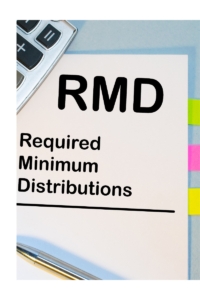
Required Minimum Distributions (RMDs) are mandatory withdrawals from certain tax-advantaged retirement accounts that owners must make at retirement age. The IRS mandates this age threshold to help ensure retirees begin drawing down their retirement savings and paying taxes on deferred income.
As of 2023, the age for starting RMDs changed to age 73. The first RMD must be taken by April 1st of the year after you turn 72 (or age 73 if you reach 72 in 2023 or later). Each year after that, RMDs must be withdrawn by December 31st. Understanding the timing and requirements for RMDs is crucial for retirement planning. As always, it is important to consult a financial advisor to ensure compliance with RMD rules.
RMDs are an essential part of retirement planning, and it’s important to understand how they fit into your overall strategy. Agemy Financial Strategies can help you navigate the complexities of RMDs and ensure you’re meeting your obligations while minimizing your tax exposure.
How Agemy Financial Strategies Can Help
Navigating the complexities of taxes in retirement can be overwhelming, but you don’t have to do it alone. At Agemy Financial Strategies, we specialize in helping clients create tax-efficient retirement plans that align with their long-term goals. Here’s how we can assist you:
Final Thoughts
Understanding the tax implications of your retirement investments is essential for maximizing your income and preserving your wealth. Agemy Financial Strategies is dedicated to providing knowledgeable guidance on tax planning strategies to help you minimize future tax burdens.
Our team is here to help you every step of the way, helping ensure that your retirement years are filled with immense fulfillment. With our guidance, you can embrace the opportunity to optimize your financial situation and secure a brighter financial future.
Contact us today to set up your retirement tax strategy session and learn how we can help you achieve a tax-smart retirement.
Succession Planning For Retirement
NewsRetirement presents a distinctive challenge for business owners and industry leaders: ensuring their organization’s continuity and prosperity. This is where succession planning becomes crucial.
Your retirement is likely to require that someone takes your place in the future. Succession planning involves anticipating that need. In this blog, we will delve into the importance of succession planning for retirement and explore effective strategies to secure a smooth transition. Here’s what you need to know.
Why is Succession Planning Important?
The retirement of baby boomers and the tendency of younger workers to switch jobs is causing a significant turnover in various positions. This dynamic shift in personnel impacts small businesses and larger companies, resulting in changes in ownership and leadership. In fact, Retirement rates have doubled when comparing data from the last five years to the long-term average from 1975 to 1995.
The turnover forces business leaders to think about succession of ownership, executive positions, and more. Succession planning enables organizations to cultivate and nurture potential leaders from within their ranks. Businesses can establish a robust talent pipeline by investing in developing talented individuals.
Secondly, a well-executed succession plan ensures the stability and continuity of an organization’s operations. It facilitates a smooth leadership transition, minimizing disruptions and maintaining the momentum required to achieve business goals. This strategic approach safeguards against any leadership vacuum from unexpected departures or retirements.
Furthermore, succession planning is crucial in helping retirees chart their long-term goals. It involves thoughtful consideration of various aspects, such as the desired retirement lifestyle, financial responsibilities, philanthropic aspirations, and the extent of support they wish to provide to future generations. By having a clear vision of their post-retirement objectives, retirees can tailor their succession plans accordingly, aligning them with their values and aspirations.
Estate Planning vs. Succession Planning
Estate planning and succession planning are different, and they are both important for business owners.
Estate planning is about deciding what happens to your personal belongings and assets after you pass away. It includes things like your will, trusts, and medical directives. However, estate planning doesn’t necessarily address what will happen to your business after you’re gone.
If you own a small business as a corporation or an LLC (Limited Liability Company), you need to include your ownership in the business in your estate planning documents. For example, if you own stocks in a corporation, you can specify in your will who will inherit those stocks after you’re gone. The same goes for an LLC; your interest in the company can be passed on according to your estate plan. If you are a sole proprietor, your business assets are treated as your personal property and will be passed on according to your estate plan.
On the other hand, succession planning is about making arrangements for your business to continue running smoothly after your death or retirement. It doesn’t only focus on who will own the business, although in many cases, it does involve deciding who will take over ownership. For small businesses, the top manager is often the owner, so succession planning is crucial for ensuring the business can carry on even if the owner is no longer there.
Because both estate planning and succession planning are vital for small business owners, it’s essential to consider them together. This way, you can make sure your personal assets and your business are well taken care of when the time comes. To sum up:
Essential components of an estate plan include:
A succession plan, meanwhile, has at its core:
Succession Planning Step 1: Evaluate Your Assets
Wealthy retirees frequently have a wide range of assets, encompassing financial investments, real estate holdings, businesses, and personal property. Conducting a thorough evaluation to ensure a comprehensive understanding of these assets is crucial. During the evaluation process, assets are assessed for value, and potential challenges or complexities related to ownership transfer are identified.
Retirees can make informed decisions about managing and distributing their assets by evaluating them. This assessment provides valuable insights into the financial landscape, enabling retirees to develop effective strategies that align with their goals and priorities. It also helps identify potential gaps or areas that require attention, allowing retirees to take necessary actions to optimize their asset portfolio.
Succession Planning Step 2: Create a Comprehensive Estate Plan
As mentioned previously, Developing a comprehensive estate plan is paramount regarding succession planning. An estate plan is the foundation for ensuring a smooth transfer of assets and preserving the retiree’s legacy. It involves the creation of various legal documents, including wills, trusts, powers of attorney, and healthcare directives.
The primary objective of an estate plan is to ensure that the retiree’s assets are distributed following their wishes. By clearly outlining their intentions and designating beneficiaries, retirees can minimize the potential for disputes and secure their assets to the intended individuals or organizations. This comprehensive approach helps avoid the complexities and uncertainties that may arise without a well-defined estate plan.
Additionally, an estate plan enables retirees to manage their assets from a tax perspective strategically. Through careful planning and appropriate legal mechanisms, such as trusts, retirees can minimize estate taxes and maximize the value of their estate for future generations. This proactive approach preserves wealth and provides a solid financial foundation for beneficiaries.
Succession Planning Step 3: Consider Philanthropic Endeavors
Wealthy retirees frequently aspire to make a lasting positive impact on society by engaging in charitable giving. Philanthropy is vital in succession planning, enabling retirees to support causes that hold personal significance while benefiting from potential tax advantages. One effective approach is establishing a charitable foundation or setting up a donor-advised fund, allowing retirees to leave a philanthropic legacy for future generations.
By directing retirement assets to charitable organizations, retirees can maximize the impact of their giving. Since registered charities are exempt from paying income tax, the full amount of the retirement account directly benefits the chosen charity. This provides an opportunity to divide retirement assets between charitable causes and heirs according to specific percentages designated by the retiree. This strategic allocation ensures that both philanthropic endeavors and the financial well-being of loved ones are addressed in the succession plan.
With careful planning and the assistance of financial advisors, retirees can create a legacy that combines their philanthropic aspirations. By utilizing retirement assets to support charitable organizations, retirees can contribute to meaningful causes and positively impact society while optimizing the tax benefits associated with their philanthropic endeavors.
Succession Planning Step 4:Continually Review and Update Your Plan
Open and transparent communication with family members is crucial during succession planning. Discussing intentions, addressing concerns, and involving heirs in decision-making can help prevent misunderstandings and family conflicts. It also allows retirees to share their values, personal stories, and the rationale behind their wealth transfer decisions.
Retirees should regularly review and update their succession plans to adapt to evolving needs and goals. Tax laws, family dynamics, and asset portfolio changes may necessitate adjustments. Periodic reviews ensure the plan remains effective. As business needs evolve, adjust the plan accordingly, and update the pool of potential successors to reflect the changing landscape.
Working With A Fiduciary Advisor
Succession planning for retirement involves careful consideration of investment objectives and the creation of personalized retirement plans. A Fiduciary Advisor can play a crucial role in this process by offering valuable guidance and ongoing portfolio management. When selecting a Fiduciary Advisor for succession planning, it is important to ask relevant questions about their experience and approach to retirement planning.
A clear understanding of the Fiduciary Advisor’s services and specific offerings is essential to making an informed decision. Managing investments during retirement can be challenging, especially if one needs to improve their investing knowledge.
At Agemy Financial Strategies, our team of Fiduciary Advisors excel in comprehensive retirement planning services focusing on succession and estate planning. We are committed to helping clients navigate the complexities of investment management during retirement. With our expertise and guidance, we can help you select investment options that align with your specific retirement goals and risk tolerance.
Final Thoughts
Incorporating succession planning into retirement planning is a proactive strategy that safeguards the future success of your business. Businesses can ensure continuity, preserve institutional knowledge, and promote employee engagement by identifying and nurturing potential successors.
If you’re ready to take the next step and incorporate succession planning into your retirement plan, Agemy Financial Strategies is here to assist you. Contact us today to get started on this important journey.
Exploring Retirement in Connecticut: A Comprehensive Review
NewsAugust 02, 2024
As we celebrate National Connecticut Day on August 10th, consider the possibilities of retiring in the Nutmeg State and the valuable support Agemy Financial Strategies can offer in planning your retirement journey.
Whether you’re drawn to Connecticut’s natural beauty, cultural vibrancy, or culinary delights, retiring in the Constitution State promises a fulfilling chapter of life. Connecticut has a population of approximately 3.6 million people, with over 16% of the population being over the age of 65, making it one of the top states with a large retirement population.
As a financial firm based in Connecticut, we offer first-hand experience and advice on managing your retirement in this beautiful state. Let’s explore why retiring in this northeastern gem is a compelling choice.
The Allure of Connecticut for Retirees
Connecticut is renowned for its diverse attractions and quality of life. From stunning coastal views to vibrant cultural experiences, here’s what makes the Constitution State stand out:
1. Quality of Life: Connecticut consistently ranks high in quality of life indices, making it an appealing destination for retirees. The state boasts excellent healthcare facilities, ensuring access to top-notch medical care during retirement years. Cities like Stamford and West Hartford offer cultural attractions, shopping centers, and dining options, providing retirees a balanced lifestyle.
2. Natural Beauty: One of Connecticut’s greatest assets is its natural beauty. From the rolling hills of Litchfield County to the picturesque coastline of towns like Mystic and Stonington, the state offers retirees breathtaking landscapes to explore. Outdoor enthusiasts can indulge in activities such as hiking along the Appalachian Trail, sailing on Long Island Sound, or simply stroll through one of the state’s many parks and gardens.
3. Cultural Riches: Connecticut’s rich cultural heritage is evident in its historic sites, museums, and theaters. Cities like New Haven, home to Yale University and its world-renowned museums, offer retirees opportunities to engage in intellectual pursuits and artistic endeavors. The Mark Twain House & Museum in Hartford and the Mystic Seaport Museum provide glimpses into the state’s literary and maritime history, appealing to retirees with a passion for learning and exploration.
Things to Consider for Connecticut Retirement
In Connecticut, as in many other states, no mandatory retirement age is set by law. This means you have the flexibility to retire whenever you feel financially ready. Starting to save for retirement early is crucial, regardless of when you plan to retire. However, there are several factors to consider when planning your retirement:
When planning for retirement in Connecticut, it’s crucial to account for the state’s relatively high cost of living. In 2024, the cost of living adjustment (COLA) increased by 3.2%, reflecting the rising expenses for goods and services. This adjustment can have a significant impact on your retirement budget.
Although Connecticut is not among the most affordable states for retirees, it remains a viable option with proper planning. According to GoBankingRates, here’s a snapshot of what you might expect in retirement:
By carefully considering these factors and adjusting your retirement plan accordingly, you can better prepare for the financial demands of living in Connecticut. Planning helps maintain your desired lifestyle and avoid unexpected financial stress.
2. Healthcare Considerations
Connecticut ranks as the nation’s fourth “healthiest” state, according to a new report from the United Health Foundation and the American Public Health Association. But what about long-term care? According to Genworth’s 2023 Cost of Care Survey, the average cost of assisted living in Connecticut is $4,776 / month. That said, the average cost range throughout the state is quite large, between $838 and $15,750 / month.
It’s important to factor in healthcare costs like LTC in retirement and help ensure you are properly insured. Researching healthcare providers, Medicare coverage, and long-term care options helps ensure you’re well-prepared for any health-related needs that may arise during retirement. The peace of mind that comes with knowing you’ve prepared for your healthcare needs can contribute significantly to your happiness (and financial stability) in retirement.
When planning for retirement, it’s important to ensure that your money will last throughout your golden years. One key factor is how state-specific taxes can impact your retirement income. Taxes can significantly reduce your retirement funds if you’re not prepared. Here are four common types of taxes to consider:
Working with a fiduciary advisor can help you navigate Connecticut tax questions and concerns. By understanding these considerations, you can better plan for a smooth and financially secure retirement in Connecticut.
Your Retirement: Your Destination Decision
Ultimately, the decision to retire in Connecticut comes down to your personal preferences, priorities, and lifestyle goals. Working alongside a trusted fiduciary advisor can help your transition to retirement. At Agemy Financial Strategies, our Connecticut-based fiduciaries can provide valuable assistance in developing a retirement income plan that encompasses crucial financial factors, such as:
Our fiduciary advisors are committed to working closely with you to maximize your retirement years. We understand that retirement planning looks different for each individual, and with that in mind, we carefully craft your plan to meet your specific needs. For a complete list of our service offerings, see here.
Final Thoughts
Retiring in Connecticut can be an incredibly rewarding experience with the right planning and preparation. By defining your goals and accounting for all potential expenses, you’ll be on the path to a fulfilling retirement at Nutmeg State. Remember, retirement is a journey, and with a well-crafted plan, it can be filled with joy, exploration, and contentment.
As a Connecticut-based firm, Agemy Financial Strategies has a unique perspective on the local opportunities and challenges of retiring in our state. We are committed to helping you navigate the retirement process with tailored advice and support, ensuring that your retirement journey in Connecticut is as smooth and enjoyable as possible.
For more information on retiring in Connecticut or to explore personalized retirement planning, contact us today.
Beyond Retirement: The Importance of Continued Financial Planning
NewsOnce you’ve set out a financial plan, you might think all the hard work has been done. But keeping on top of the progress you’re making and ensuring it’s still suitable is essential for getting the most out of your assets.
You’ve made it to retirement, the golden phase of life when you can finally relax and pursue hobbies, travel, spend time with loved ones, and embrace a slower pace. However, being retired doesn’t mean the end of your financial planning.
It’s crucial to continue managing your finances even after you bid farewell to your days in the workforce. In this blog, we will explore why retirement is not the end of financial planning– but a new beginning. Follow us as we dive into some helpful strategies to make your retirement last longer. Here’s what you need to know.
Changing Financial Landscape
While retirement may bring some financial stability through your savings, it also introduces new challenges. Your income may decrease, but expenses can still fluctuate. It’s essential to evaluate your financial situation and make necessary adjustments. Review your retirement savings, investment portfolios, and any additional sources of income.
One excellent resource is taking advantage of your required minimum distributions (RMDs). If you’re like most retirees, you have a 401(k) or IRA. With RMDs, you must begin taking distributions at age 73. These distributions are counted as taxable income when you take them. Since they’re taxable, any changes you make can impact how they’re taxed–affecting your retirement income. RMDs have positives and negatives; reviewing them annually is important to see what adjustments you need.
And it’s not just the financial landscape that evolves. Life happens, and with life comes substantial changes such as marriage, divorce, maybe a second marriage, death, relocating and so on. This highlights the need to continually review and adapt your ongoing plans throughout your lifetime.
Working alongside a financial advisor or Fiduciary can be beneficial. They can help you actively monitor and manage your finances. You can adapt to the changing landscape and ensure a secure financial future.
Budgeting for Retirement
Creating a well-structured budget becomes even more critical during the retirement phase. Take stock of your expected expenses, including healthcare, housing, leisure activities, and travel plans. Additionally, it is crucial to account for the impact of inflation on your finances. Inflation is an ever-present factor that can erode the purchasing power of your retirement funds.
The ideal inflation rate is around 2%. When inflation exceeds this figure, the Federal Reserve (Fed) may raise interest rates to slow down the economy for the next few months. The Fed has a dual mandate of keeping inflation low and employment high to ensure the maximum number of people working in the country. As of May 2023, the US inflation rate stands at 4.05%.
Awareness of inflation trends and adjusting your financial strategies become even more important in retirement. By periodically reviewing and updating your cash flow, you can ensure that your retirement remains on track, despite potential inflationary effects. By meticulously planning and tracking your spending, you can make decisions that enable your retirement funds to last throughout your lifetime.
Investment Strategies
Retirement necessitates a shift in investment strategies. While seeking more stable and low-risk investments is natural, balancing risk and return is crucial. Consider incorporating investments that offer steady income, such as bonds or dividend-paying stocks, into your portfolio. These options provide a regular income stream to supplement your retirement funds. However, it is essential to evaluate the risks associated with these investments and ensure they align with your risk tolerance and financial goals.
This is where, once again, regularly reviewing and rebalancing your portfolio is vital to adapt to changing market conditions. Market fluctuations can impact the composition of your investments over time, potentially throwing off the original asset allocation. You can maintain and align the desired risk level with your retirement goals by periodically rebalancing your portfolio.
Consult with a financial advisor to reassess your investment portfolio and align it with your retirement goals.
Healthcare Considerations
Healthcare expenses tend to rise with age, making planning for medical costs during retirement essential. Some states are more expensive than others. In Connecticut, healthcare costs have been subject to annual rate hikes, with individual health plans experiencing an average increase of more than 20% and small group plans seeing a rise of approximately 15%. Insurance companies point to the escalating cost of healthcare services as the primary driver behind these increases. The continuous rise in healthcare expenses underscores the importance of factoring in these costs when planning for retirement and selecting appropriate insurance coverage to protect against financial burdens.
Research and compare healthcare plans, including Medicare options, to determine the best coverage for your needs. Account for potential out-of-pocket expenses and consider long-term care insurance, which can protect your assets in a health crisis. You can safeguard your retirement savings and minimize financial stress by factoring in healthcare costs.
Estate Planning
Retirement offers an opportune time to review and update your estate plan. Take stock of your assets, including property, investments, and insurance policies. Consider creating or updating your will, designating beneficiaries, and establishing a power of attorney or healthcare proxy. Additionally, explore strategies to minimize estate taxes and ensure a smooth transfer of assets to your loved ones.
In Connecticut, it’s essential to be aware of estate tax considerations. Connecticut imposes an estate tax on both resident and nonresident estates if the value of their Connecticut taxable estate exceeds $9.1 million. By exploring strategies to minimize estate taxes, such as gifting assets during your lifetime or utilizing trusts, you can help protect your legacy and maximize the assets you pass on to your loved ones.
Working with a financial advisor with experience in Connecticut’s estate laws, you can ensure that your estate plan is up-to-date, legally sound, and aligned with your wishes. Regularly reviewing and updating your estate plan as life circumstances change is essential to reflect your evolving goals and protect your legacy for future generations. By engaging in comprehensive estate planning, you can protect your legacy and provide for future generations.
Work With a Trusted Financial Advisor
Working with a trusted financial advisor is crucial for navigating the complexities of financial planning significantly beyond retirement. A knowledgeable and experienced advisor can provide valuable insights, guidance, and personalized strategies to help you achieve your financial goals. They can assess your unique circumstances, analyze your risk tolerance, and create a tailored plan that aligns with your aspirations.
At Agemy Financial Strategies, our financial advisors and Fiduciaries can offer objective advice on investment options, estate planning, tax optimization, and other critical financial decisions. With their knowledge and ongoing support, you can feel confident that you are making informed choices and maximizing your financial well-being now and in the future.
Final Thoughts
Retirement doesn’t mark the end of financial planning; it signals a new phase that requires careful management and proactive decision-making. You can navigate retirement and secure your financial well-being by assessing your financial situation and adapting your investment strategies.
At Agemy Financial Strategies, we understand the importance of continued financial planning and offer the tools to help you confidently embrace this new chapter. Our team is dedicated to providing personalized retirement strategies tailored to your goals and aspirations.
Contact us today to schedule your complimentary retirement strategy session and take the first step towards a comfortable and fulfilling future.
Managing Retirement Risks: Protecting Your Nest Egg
NewsRetirement is a milestone that many people eagerly anticipate, and attaining a sizeable nest egg is the goal for many. However, even with substantial savings, it is crucial to manage retirement risks effectively to protect and grow your nest egg.
In this blog, we will explore the essential strategies retirees can employ to safeguard their wealth and ensure a secure and comfortable retirement. Here’s what you need to know.
Diversify Your Portfolio
When it comes to protecting your nest egg, the best way to do so is by diversifying your investments. Diversification is one of the fundamental investment principles which becomes even more critical during retirement. Spreading your investments across different asset classes, such as stocks, bonds, real estate, and commodities, can help mitigate risks.
Diversification minimizes the impact of a single investment’s performance on your overall portfolio, providing stability and protecting your wealth during market fluctuations. Here are some tips to consider:
Asset Allocation: Determine the appropriate allocation of your assets across different classes. Asset allocation involves assessing risk tolerance, investment goals, and time horizon. A diversified portfolio typically includes a mix of stocks, bonds, real estate, and commodities, with the allocation tailored to your specific needs.
Stocks: Consider investing in various stocks across different sectors and geographic regions. Large-cap, mid-cap, and small-cap stocks offer varying risk and return potential. Additionally, diversify within sectors to avoid overexposure to any single company.
Bonds: Including certain bonds in your portfolio can help provide stability and income during retirement. Consider diversifying your bond holdings across different types, such as government, corporate, and municipal bonds, with varying maturities and credit ratings. Before investing in bonds, it is important to speak with your financial advisor to understand what they are and how they work so that you can make informed decisions while planning for retirement.
Remember, diversification does not guarantee profits or protect against losses, but it can help manage risk and enhance the potential for long-term returns. Regularly review your investment strategy, stay informed about market trends, and adjust your portfolio to align with your retirement goals and changing market conditions.
Plan for Longevity
Wealthy retirees often enjoy the advantage of extended lifespans, but this brings the risk of outliving their savings. Longevity brings about changing financial needs and circumstances that need to be addressed. Additionally, high-net-worth (HNW) investors demonstrate a high inclination towards charitable giving in the post-pandemic era, as highlighted in a March 2022 report.
Despite the uncertainties surrounding COVID-19 and its economic impact, a study conducted in May 2021 revealed a remarkable trend among affluent households. Over 85% of these households either maintained or even increased their philanthropic contributions, showcasing a significant surge in generosity compared to the pre-pandemic period.
To navigate these financial dynamics effectively, retirees should make it a practice to review and update their financial plans regularly. This ensures their strategies align with evolving goals, market conditions, inflation, and potential life events. By considering these factors, retirees can better adapt their financial plans to suit their changing circumstances and make informed decisions for a secure future.
Have An Estate Plan
Wealthy retirees should engage in comprehensive estate planning to ensure the smooth transfer of assets to their beneficiaries. But estate plans aren’t just for the wealthy, if you have a 401(k), own a home, a car, artwork, or even your grandma’s wedding ring, you have an estate. Estate planning involves creating wills, establishing trusts, and minimizing estate taxes. Estate planning can also include a power of attorney and healthcare directives to address potential incapacitation.
Many retirees find fulfillment in giving back to society. Incorporating philanthropy into a longevity plan allows individuals to support causes they are passionate about while potentially providing tax benefits. Establishing charitable foundations or donor-advised funds can help retirees leave a lasting legacy while positively impacting their communities.
Maintaining social connections and engaging in activities that bring joy and purpose can contribute to a fulfilling and meaningful retirement. Retirees should consider participating in clubs, organizations, volunteer work, or hobbies that provide opportunities for social interaction and personal growth.
By implementing these strategies and continually adapting financial plans, retirees can better prepare for the challenges and opportunities of longevity. Seeking guidance from a trusted financial advisor (preferably an experienced and trusted Fiduciary advisor) can provide valuable insights to navigate the complexities and make informed decisions. A comprehensive approach encompassing financial, health, and lifestyle considerations will contribute to a comfortable and secure retirement, even in the face of a longer-than-expected lifespan.
Protect Against Healthcare Costs
Rising healthcare expenses can significantly impact retirement savings, making it vital for wealthy retirees to address potential healthcare costs. The expense of healthcare during retirement is a significant concern for individuals across generations. A recent survey revealed that 61% of workers intend to continue working during retirement or delay their retirement due to insufficient medical coverage.
One effective strategy is to consider options such as long-term care insurance, which can provide coverage for extended medical care. Retirees can protect their nest eggs by safeguarding assets and ensuring access to quality healthcare. Long-term care (LTC) insurance covers expenses associated with extended medical care, including nursing homes, assisted living facilities, and in-home care. When purchasing a policy, carefully review coverage limits, waiting periods, and inflation protection to select the most suitable option.
Private insurers approved by Medicare offer Medicare Advantage (Part C) plans. These plans combine the benefits of Medicare Parts A and B, often including additional coverage for prescription drugs, vision, dental, and wellness programs. Evaluating your area’s available Medicare Advantage plans enables you to find one that aligns with your healthcare needs and budget. Consider factors like network coverage, prescription drug formularies, and out-of-pocket costs.
Healthcare costs can be unpredictable, emphasizing the importance of planning to safeguard retirement savings. Seeking guidance from a financial advisor allows for a comprehensive assessment of available options. Carefully reviewing policy terms and making informed decisions based on individual needs and circumstances are critical. By protecting your nest egg against healthcare expenses, you can experience peace of mind and fully enjoy your retirement.
Regularly Review and Adjust Your Plan
We’ve said it before and we will say it again… Regularly reviewing and adjusting your retirement plan is essential for long-term financial success. Retirement planning is not a one-time task; it requires ongoing attention. As economic conditions, tax laws, and personal circumstances change, you must revisit your retirement strategy and make necessary adjustments.
This may involve reevaluating your investment allocations and risk management approach to ensure they align with your evolving goals and financial situation. Staying informed about market trends and working closely with your financial advisor can provide valuable insights and guidance. At Agemy Financial Strategies, we are committed to helping you navigate the complexities of retirement planning and make the most out of your financial future.
By regularly reviewing and adjusting your plan, you can make informed decisions and maximize the potential of your retirement savings.
Last Thoughts
As you approach retirement, you should have the advantage of accumulated wealth, but safeguarding and growing your nest egg during retirement requires time, commitment, and robust strategies in place. By implementing the aforementioned strategies and partnering with a Fiduciary at Agemy Financial Strategies, you can secure your financial future and create a lasting legacy for future generations. Experience the joys of a worry-free retirement by taking action today.
Contact us to schedule your complimentary strategy session and begin your journey toward a financially secure retirement.